SampleRadar: 371 Free Vintage House and Techno Samples for Old-School Flavor gives producers a substantial free collection of 371 royalty-free WAV samples aimed at Vintage House and Techno production. A large royalty-free SampleRadar collection focused on Vintage House and Techno production.
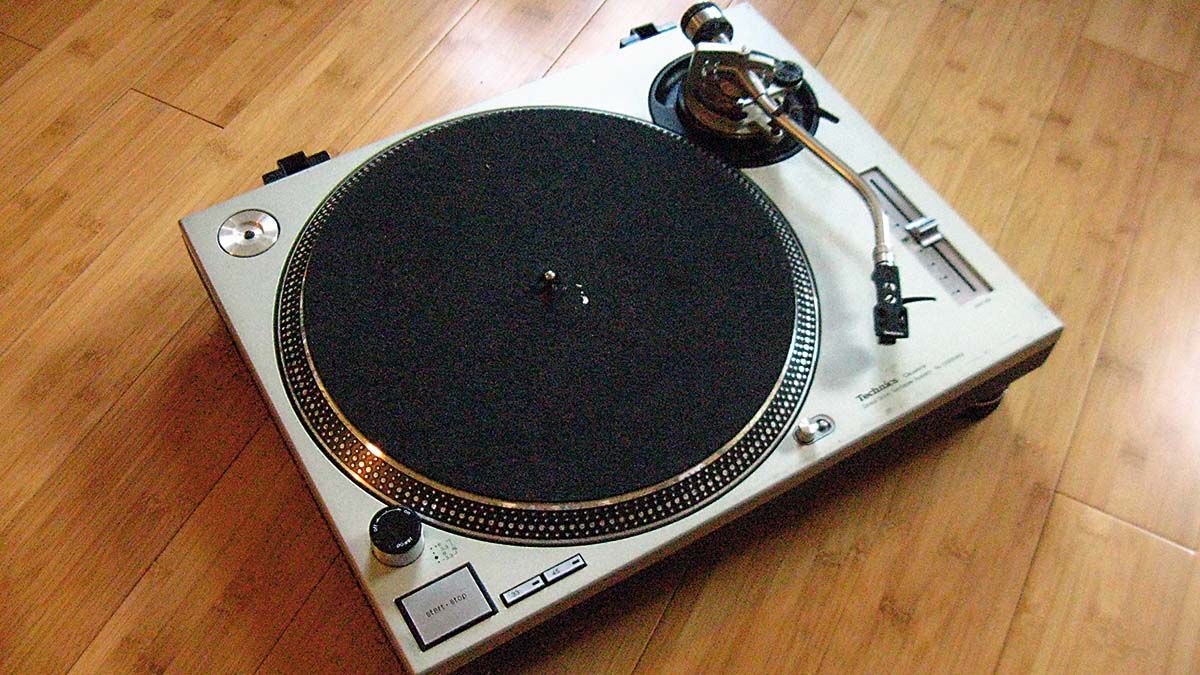
What is inside this free sample pack?
The headline number is the first reason to pay attention: 371 individual samples gives you enough material to explore ideas without turning the download into an unmanageable archive. SampleRadar collections mix loops, hits, rhythmic material and production-ready textures according to the subject of the pack, so the useful approach is to audition by role rather than clicking through files at random.
For Vintage House and Techno, start by separating sounds into the parts that can define a track: groove, low end, musical hook, transitions and atmosphere. That simple organisation makes a large free library much faster to use and prevents the usual problem where a producer downloads hundreds of sounds but never actually reaches for them in a session.
371 samples
Format: WAV
Price: Free
License: Royalty-free for use in your music
Source: SampleRadar / MusicRadar
Why it is useful for Vintage House and Techno production
A good genre pack should provide direction without dictating the finished arrangement. This collection works best as source material: choose one or two elements that immediately establish the character of the track, then build the rest around your own drums, bass, instruments and processing. That keeps the speed advantage of samples while preserving a recognisable production identity.
With Vintage House and Techno, timing and texture are often as important as the actual notes. Try moving loops slightly off the grid, shortening tails, filtering sections, resampling a bar or replacing the obvious kick and snare with your own choices. A few deliberate edits can move a stock loop a long way from its original context.
A practical workflow that avoids sample-pack syndrome
Begin with a blank project and audition at the tempo of the track rather than in a file browser. Pick the strongest sound within the first few minutes and commit to it. If it is a loop, duplicate it and create two variations immediately: one stripped version for verses or breakdowns and one more aggressive version for peaks. If it is a one-shot, build a fresh MIDI or audio pattern instead of copying the rhythm suggested by the demo.
Next, remove frequency conflicts before reaching for heavy processing. High-pass material that does not need deep low end, keep the kick and bass relationship simple, and automate levels when a lead or vocal arrives. Many mixes become clearer from arrangement decisions alone. Compression, saturation and stereo processing should enhance an already useful part rather than rescue a crowded one.
Creative ways to make the samples your own
Chopping is the obvious technique, but it is not the only one. Reverse a small fragment, pitch a copy by an octave, print it through distortion and keep only the tail, turn a melodic slice into a sampler instrument, or use a rhythmic loop as a sidechain trigger while muting the original audio. Resampling several small edits into one new file can create material that no longer feels connected to the source pack.
For drums, retain the groove but replace the anchors. Keeping percussion while swapping the kick and snare is often enough to make a loop sit naturally beside your own sound palette. For tonal material, change the final note or chord, alter the phrase length, or layer a very quiet instrument underneath. The goal is not to destroy a good sample; it is to make it belong to your record.
License and commercial use
SampleRadar states that its free samples are royalty-free and can be used in your own music, including normal commercial music projects. The important restriction is redistribution: the raw samples should not be repackaged, mirrored or sold as another sample library. That distinction makes the pack useful for released productions while protecting the original archive.
It is still smart to keep the original download page with the project files. If a track is licensed, signed or revisited much later, having the source and license reference saved beside the session removes any doubt about where the material came from.
Official free download
Use the MusicRadar page below rather than an unofficial mirror. It provides the current SampleRadar information, examples and the official download path.
A Producer’s Take
With a pack this size, I would not try to use everything. For Vintage House and Techno, I would choose one sound that immediately gives the track a personality, rebuild the supporting parts around it, then resample the result. The value is in having choices at the start of a session, not in stacking the whole library into one arrangement.
Sebastian McQueen


