

Lo-fi isn’t “bad quality.” It’s aesthetic quality—a warm, imperfect sound that feels like a memory: tape haze, dusty drums, gentle wow/flutter, and melodies that don’t shout. The trick is doing it on purpose, not by accident (your CPU crackles don’t count as vibe).
- A Short History of Lo-Fi Music (How “Imperfect” Became a Genre)
- 1) The pre-genre era: lo-fi as necessity (1950s–1970s)
- 2) Lo-fi as identity: DIY, indie, and anti-polish (1980s–1990s)
- 3) Sampling culture sets the stage (1990s–2000s)
- 4) The modern lo-fi wave: “beats to study to” (2010s)
- 5) Today: lo-fi as a toolbox (2020s–2026)
- 1) Essential Free Instruments for Lo-Fi (Keys, Pads, Texture)
- Spitfire LABS (must-have)
- Decent Sampler (free sampler + huge free library ecosystem)
- Vital (lo-fi isn’t only samples)
- Dexed (retro digital keys & bells)
- 2) Drums & Groove (Soft Punch, Human Feel)
- Sitala (fast drum sampler)
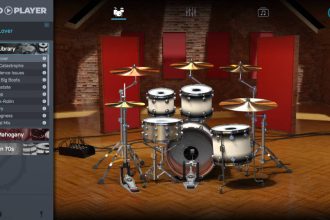
- MT Power Drum Kit 2 (free acoustic kit for layering)
- PanCake 2 (subtle motion)
- 3) The Lo-Fi “Texture & Damage” Section (Tape, Vinyl, Drift, Crunch)
- iZotope Vinyl (classic lo-fi vibe)
- CHOW Tape Model (free tape with real control)
- Softube Saturation Knob (instant harmonic weight)
- Klanghelm IVGI (more controllable saturation)
- TAL-Bitcrusher (digital dirt)
- 4) Space & Depth (Lo-Fi Reverb and Delay That Won’t Drown the Beat)
- Valhalla Supermassive (big atmosphere, free)
- OrilRiver (clean reverb, great for subtle rooms/plates)
- TAL-Reverb-4 (vintage plate flavor)
- 5) Mixing Essentials (Keep It Soft but Clear)
- TDR Nova (dynamic EQ: the lo-fi secret weapon)
- TDR Kotelnikov (transparent compression)
- Klanghelm DC1A (simple compression with vibe)
- Voxengo MSED (mid/side utility)
- 6) Metering (So Your “Warm” Doesn’t Become “Muffled”)
- Voxengo SPAN (spectrum analyzer)
- Youlean Loudness Meter (free LUFS/True Peak)
- LoudMax (simple limiter)
- Lo-Fi Chains You Can Use Immediately
- A) Lo-Fi Keys Chain (Soft, Dusty, Nostalgic)
- B) Drum Bus Chain (Soft Punch, No Harsh Snap)
- C) Master Starter (Lo-Fi Should Breathe)
- The “Top 12” Minimal Install (If You Want One Clean Pack)
- AUDIARTIST
This expert guide gives you a complete free VST pack for lo-fi (instruments + FX + mixing + metering), and a concise but useful history of lo-fi so your track has context, not just vinyl noise.
All links are direct.
A Short History of Lo-Fi Music (How “Imperfect” Became a Genre)
1) The pre-genre era: lo-fi as necessity (1950s–1970s)
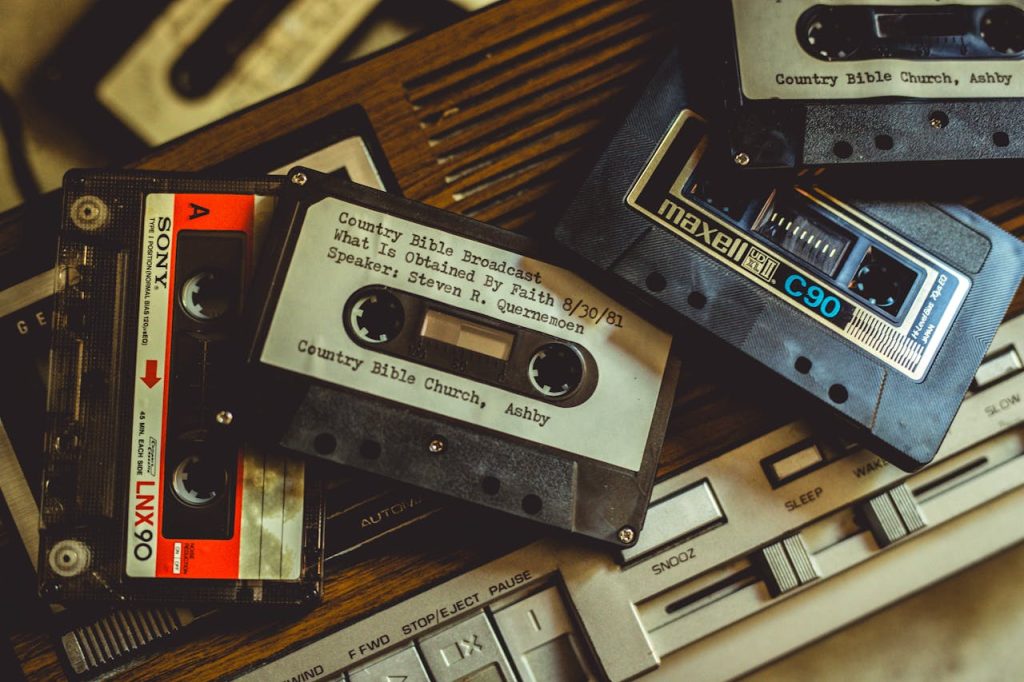
Before lo-fi was a style, it was a reality. Home recordings, budget studios, cheap mics, tape limitations—many artists created outside big studio systems. The “imperfect” sound often came from limited gear, tape saturation, and noise floors rather than a deliberate choice.
2) Lo-fi as identity: DIY, indie, and anti-polish (1980s–1990s)
In the 80s and 90s, lo-fi became an attitude: artists embraced cassette culture, 4-tracks, and raw mixes as a reaction to glossy mainstream production. “Lo-fi” started to mean honesty, intimacy, and DIY freedom—not just lower fidelity.
3) Sampling culture sets the stage (1990s–2000s)
Hip-hop production pushed the aesthetic further. Samplers and drum machines (often with gritty converters) helped define the warm, slightly crunchy texture people now associate with lo-fi. Dusty loops, short chops, and imperfect swing became musical signatures.
4) The modern lo-fi wave: “beats to study to” (2010s)
In the 2010s, lo-fi exploded online. Streaming and YouTube live streams popularized lo-fi hip-hop as functional listening: study, focus, relax. The sound stabilized into a recognizable palette—soft drums, jazzy chords, mellow melodies, vinyl/tape artifacts, and relaxed tempos.
5) Today: lo-fi as a toolbox (2020s–2026)
Lo-fi now spans multiple lanes: lo-fi house, chillhop, ambient lo-fi, indie lo-fi, and cinematic lo-fi. Producers treat lo-fi as a set of production techniques (tape color, bit reduction, noise layers, micro-pitch drift, soft compression) that can be applied to many genres—not a single recipe.
1) Essential Free Instruments for Lo-Fi (Keys, Pads, Texture)
Spitfire LABS (must-have)
A huge collection of free instruments—great for soft pianos, felt keys, textures, guitars, and cinematic layers that fit lo-fi naturally.
https://labs.spitfireaudio.com/
Decent Sampler (free sampler + huge free library ecosystem)
A lightweight sampler with tons of free “lo-fi friendly” instruments (soft keys, plucks, ambience).
https://www.decentsamples.com/product/decent-sampler-plugin/
Vital (lo-fi isn’t only samples)
Vital is amazing for lo-fi too: warm pads, simple plucks, gentle basses, subtle movement. Keep it minimal, filter it, and let it breathe.
https://vital.audio/
Dexed (retro digital keys & bells)
Great for slightly nostalgic digital tones—then lo-fi them with tape/chorus.
https://asb2m10.github.io/dexed/
2) Drums & Groove (Soft Punch, Human Feel)
Sitala (fast drum sampler)
Perfect for loading one-shots quickly and building kits without friction.
https://decomposer.de/sitala/
MT Power Drum Kit 2 (free acoustic kit for layering)
Useful for adding real drum texture under programmed hits (ghost notes, room tone).
https://www.powerdrumkit.com/
PanCake 2 (subtle motion)
Very light autopan on hats, textures, and percussion adds life. Don’t touch the sub.
https://www.cableguys.com/pancake
3) The Lo-Fi “Texture & Damage” Section (Tape, Vinyl, Drift, Crunch)
iZotope Vinyl (classic lo-fi vibe)
Noise, dust, wear, warp. Great for quick atmosphere.
https://www.izotope.com/en/products/vinyl.html
CHOW Tape Model (free tape with real control)
Wow/flutter, saturation behavior, and tape character—excellent for authentic warmth.
https://chowdsp.com/products.html
Softube Saturation Knob (instant harmonic weight)
Perfect for adding subtle thickness to drums, bass, and keys.
https://www.softube.com/plug-ins/saturation-knob
Klanghelm IVGI (more controllable saturation)
Great when you want lo-fi warmth without turning the mix into fuzz.
https://klanghelm.com/contents/products/IVGI
TAL-Bitcrusher (digital dirt)
For gentle crunch on drums or keys when you want a “small speaker” vibe.
https://tal-software.com/products/tal-bitcrusher
4) Space & Depth (Lo-Fi Reverb and Delay That Won’t Drown the Beat)
Valhalla Supermassive (big atmosphere, free)
Excellent for dreamy delays and ambient tails—use as a send for control.
https://valhalladsp.com/shop/reverb/valhalla-supermassive/
OrilRiver (clean reverb, great for subtle rooms/plates)
Lo-fi often needs small spaces, not huge halls. OrilRiver does that well.
https://www.denise.io/store/denise/orilriver
TAL-Reverb-4 (vintage plate flavor)
Adds a sweet retro sheen that works on snares and keys.
https://tal-software.com/products/tal-reverb-4
5) Mixing Essentials (Keep It Soft but Clear)
TDR Nova (dynamic EQ: the lo-fi secret weapon)
Lo-fi mixes get muddy fast. Dynamic EQ lets you keep warmth while controlling problem areas.
https://www.tokyodawn.net/tdr-nova/
TDR Kotelnikov (transparent compression)
Great for gentle glue without crushing dynamics.
https://www.tokyodawn.net/tdr-kotelnikov/
Klanghelm DC1A (simple compression with vibe)
Quick control on drum bus or instrument bus.
https://klanghelm.com/contents/products/DC1A
Voxengo MSED (mid/side utility)
Keep low-end mono, widen highs gently—clean lo-fi is still a thing.
https://www.voxengo.com/product/msed/
6) Metering (So Your “Warm” Doesn’t Become “Muffled”)
Voxengo SPAN (spectrum analyzer)
Check low-mid build-up and rolling highs so you don’t over-darken.
https://www.voxengo.com/product/span/
Youlean Loudness Meter (free LUFS/True Peak)
Helps you keep levels consistent, especially for streaming uploads.
https://youlean.co/youlean-loudness-meter/
LoudMax (simple limiter)
A reliable free limiter for gentle loudness and safety.
https://loudmax.blogspot.com/
Lo-Fi Chains You Can Use Immediately
A) Lo-Fi Keys Chain (Soft, Dusty, Nostalgic)
- iZotope Vinyl (light dust + gentle warp)
https://www.izotope.com/en/products/vinyl.html - CHOW Tape Model (subtle tape tone + wow/flutter)
https://chowdsp.com/products.html - TDR Nova (dynamic cleanup around low-mids if needed)
https://www.tokyodawn.net/tdr-nova/ - Reverb send: OrilRiver (small room/plate)
https://www.denise.io/store/denise/orilriver
B) Drum Bus Chain (Soft Punch, No Harsh Snap)
- Saturation Knob or IVGI (tiny amount)
https://www.softube.com/plug-ins/saturation-knob
https://klanghelm.com/contents/products/IVGI - DC1A (gentle glue)
https://klanghelm.com/contents/products/DC1A - TAL-Bitcrusher (optional, subtle)
https://tal-software.com/products/tal-bitcrusher
C) Master Starter (Lo-Fi Should Breathe)
- TDR Kotelnikov (very light glue)
https://www.tokyodawn.net/tdr-kotelnikov/ - LoudMax (safety limiter)
https://loudmax.blogspot.com/ - Meter with SPAN + Youlean
https://www.voxengo.com/product/span/
https://youlean.co/youlean-loudness-meter/
The “Top 12” Minimal Install (If You Want One Clean Pack)
- LABS — https://labs.spitfireaudio.com/
- Decent Sampler — https://www.decentsamples.com/product/decent-sampler-plugin/
- Vital — https://vital.audio/
- Sitala — https://decomposer.de/sitala/
- iZotope Vinyl — https://www.izotope.com/en/products/vinyl.html
- CHOW Tape Model — https://chowdsp.com/products.html
- Saturation Knob — https://www.softube.com/plug-ins/saturation-knob
- IVGI — https://klanghelm.com/contents/products/IVGI
- Valhalla Supermassive — https://valhalladsp.com/shop/reverb/valhalla-supermassive/
- OrilRiver — https://www.denise.io/store/denise/orilriver
- TDR Nova — https://www.tokyodawn.net/tdr-nova/
- Youlean Loudness Meter — https://youlean.co/youlean-loudness-meter/