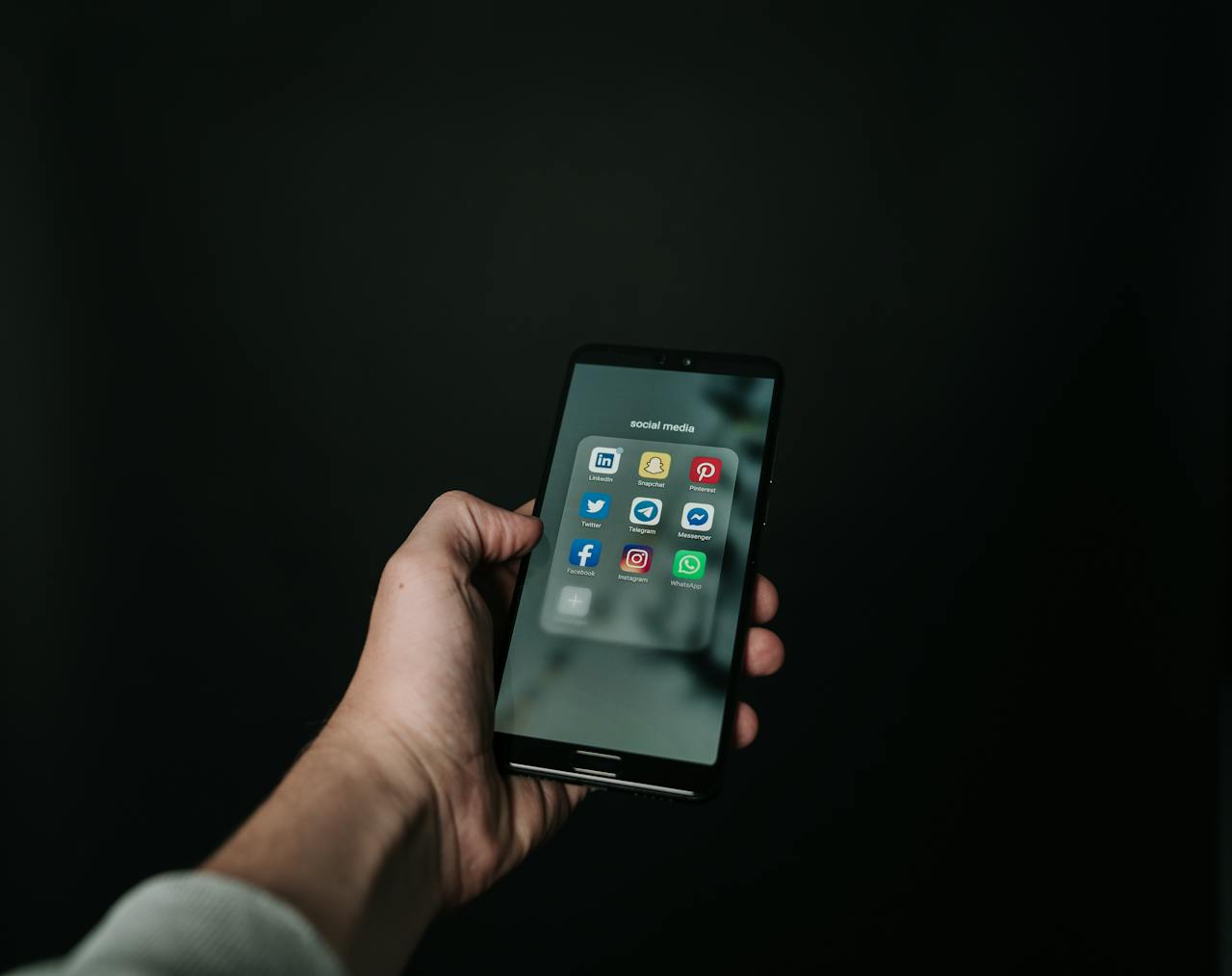

For over a decade, music success seemed inseparable from perfectly curated feeds, relentless posting schedules, and an exhausting race to please algorithms that change their minds more often than the weather. Visibility became a performance. Presence became a job. And somewhere along the way, many artists began to wonder: Is this really the only path?
In 2026, that question no longer sounds naïve. Breaking through without relying on social media is not a nostalgic fantasy. It is not reserved for reclusive geniuses or artists with industry connections. It is a strategic choice — demanding, deliberate, and, for many, far more sustainable.
The End of Social Media’s Discovery Monopoly
Social platforms still dominate attention, but they no longer control discovery.
Today, listeners find music through late-night YouTube searches, algorithmic Spotify recommendations, niche blogs, DJ mixes, web radios, and private communities. Discovery has fragmented — and that fragmentation is a gift to artists who refuse to perform endlessly for fleeting engagement.
The audience is no longer in one place. And that means you don’t have to be either.
Visibility vs. Dependence
When artists say they want to succeed without social media, they rarely mean they want to be invisible. The real question is not whether you can succeed without exposure — you can’t. The real question is whether you can succeed without depending on a single, unstable channel.
Social media offers rented visibility. You don’t own it. One algorithm change, one policy shift, one account issue — and your reach collapses overnight. By contrast, discovery channels like search engines, playlists, and direct audiences create momentum that compounds over time.
The difference is subtle but decisive: one model is borrowed reach; the other is built presence.
From Being Seen to Being Found
In 2026, the most resilient artists focus on being findable rather than constantly visible.
A well-optimized website becomes a permanent entry point. A YouTube mix titled with search intent can generate plays for years. A track that fits algorithmic recommendation patterns on streaming platforms can snowball into sustained listening. A well-placed blog feature can continue sending listeners long after publication.
Visibility demands constant output.
Findability rewards intelligent output.
One burns energy. The other stores it.
The New Rhythm of Attention
Social media rewards frequency. Organic discovery rewards relevance.
Thirty short videos may vanish in a week. A one-hour mix with strong SEO can attract listeners for months. A single playlist placement can outperform weeks of posting. A thoughtful article can become an evergreen traffic source.
This is not an easier path — it is a slower, more strategic one. But it aligns with how people actually consume music: intentionally, repeatedly, and often outside the noise of social feeds.
Owning Your Audience in a Rented Internet
One of the quiet revolutions of the past few years is the rediscovery of direct audience relationships.
An email subscriber is more valuable than a passive follower. A listener who saves your track is more meaningful than someone who scrolls past it. A small, loyal fan base outperforms a large, disengaged one every time.
Artists who invest in direct channels — newsletters, private communities, fan clubs, exclusive releases — build ecosystems no algorithm can take away.
Popularity can be inflated.
Connection cannot.
The Return of Human Gatekeepers
In an age obsessed with automation, human recommendation has regained value. Curators, bloggers, radio hosts, DJs, and local collectives act as trusted filters in an overwhelming digital landscape.
A track featured in a respected mix carries credibility that paid promotion cannot replicate. A blog review provides context and narrative. A radio play introduces your music to listeners who are actually listening — not scrolling.
Trust travels through people faster than through platforms.
The Quiet Strategy: Less Noise, More Reach
Breaking through without social media does not mean disappearing. It means reducing noise to amplify impact.
Instead of posting daily, many artists now focus on:
- consistent, coherent releases
- search-driven discoverability
- targeted collaborations
- durable distribution channels
The results are rarely explosive. But over twelve months, they are often steadier — and far less vulnerable to the whims of a feed you do not control.
Myth, Luxury, or Strategy?
It is a myth if you believe you can succeed without communication.
It is a luxury if you refuse to invest time in long-term foundations.
But it is a powerful strategy for those willing to build slowly and deliberately.
In 2026, breaking through without social media is not about rejecting the digital world. It is about choosing channels that continue working for you while you sleep — platforms where your music can be discovered, not just displayed.
And there is something quietly satisfying about building a lasting music career… without ever having to dance for the algorithm.