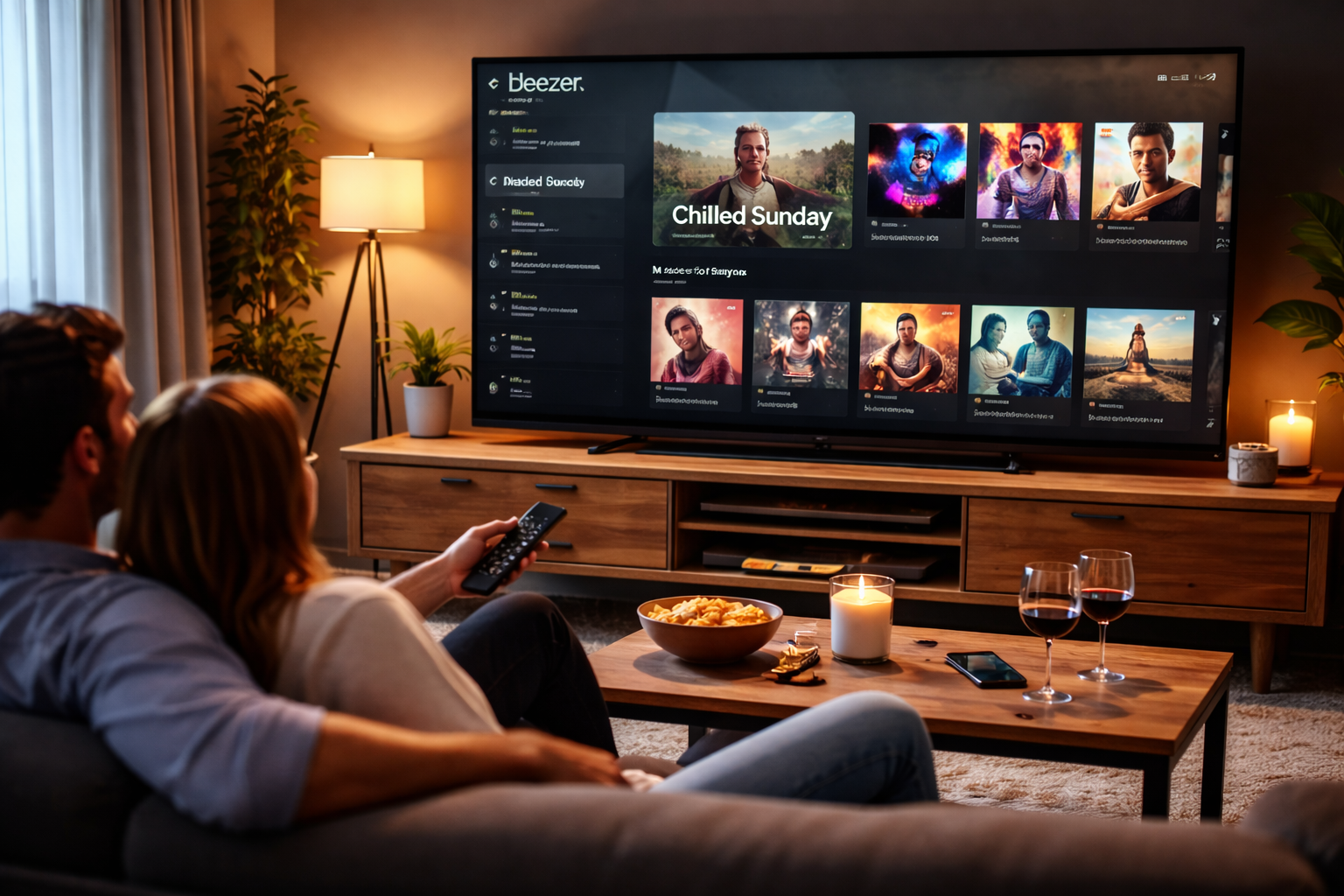

A Full Android TV App Redesign Aims for Premium Listening
Deezer has quietly but decisively refreshed its Android TV application, rolling out a complete redesign announced on January 15, 2026. No flashy launch video, no overblown slogans — just a clear signal: the living room is back in play, and Deezer wants to own that space with a product that finally feels native to the big screen.
This update isn’t cosmetic. It’s a strategic move that reframes how music streaming fits into lean-back, shared, screen-first environments.
From “Adapted App” to True TV Experience
Until now, most music apps on smart TVs felt like stretched phone interfaces: functional, but clumsy. Deezer’s Android TV redesign breaks from that tradition by treating television not as a secondary device, but as a primary listening context.
The new interface is built around:
- Large, readable typography designed for distance viewing
- Simplified navigation paths optimized for remote controls
- Visual hierarchy that favors mood and context over raw catalog access
In short, Deezer is no longer asking users to browse music on TV. It’s inviting them to settle into it.
A Clear Shift Toward “Lean-Back” Listening
This redesign embraces a reality many platforms have ignored: TV listening is different.
On Android TV, users are not hunting for obscure tracks or tweaking playlists track by track. They want:
- instant access to familiar content,
- mood-driven recommendations,
- seamless playback without friction.
Deezer’s updated app reflects that behavior. Entry points now prioritize playlists, mixes, and recently played content, reducing the cognitive load that often kills engagement on TV apps.
The result feels closer to a curated radio experience — but powered by personalization.
Why This Matters More Than It Looks
At first glance, a TV app update may seem secondary compared to mobile features or algorithm tweaks. In reality, it touches a strategic pressure point in streaming: shared consumption.
TV listening happens:
- in living rooms,
- during social moments,
- while cooking, hosting, or relaxing,
- often with multiple listeners at once.
That makes it a powerful context for brand perception and habit formation. If your app feels premium on the biggest screen in the house, it changes how users perceive the service as a whole.
Deezer’s move suggests a broader ambition: not just to compete on discovery or pricing, but to win on comfort and atmosphere.
Competing Where Others Are Still Catching Up
While most streaming platforms remain mobile-first, Deezer is betting that screen diversity matters again. Smart TVs, soundbars, and connected speakers are reshaping how people consume music at home, and Android TV sits at the center of that ecosystem.
By investing in a purpose-built TV experience, Deezer differentiates itself from competitors who still treat television as an afterthought — or worse, a mirrored interface.
This also positions Deezer well for:
- family listening scenarios,
- background music in shared spaces,
- longer session times driven by passive enjoyment.
What Artists Should Take From This Update
For artists and labels, this shift has subtle but important implications.
A stronger TV experience means:
- visual identity matters more (cover art readability, consistency),
- playlists and mood-based placements gain weight,
- long-form listening and catalog depth become more valuable than single-track spikes.
TV listening doesn’t reward hype. It rewards coherence, comfort, and replay value.
The Bigger Picture
Deezer’s Android TV redesign isn’t about chasing trends. It’s about reclaiming a space that streaming platforms briefly forgot: the living room as a listening destination, not just a background screen.
In a market obsessed with short-form engagement and mobile metrics, Deezer is making a contrarian — and smart — bet: music still deserves room to breathe.
And sometimes, the biggest update isn’t the loudest one — it’s the one that makes people stay longer without noticing why.