
Which Curator Type Fits Your Genre?
In the modern music ecosystem, discovery rarely happens by accident. Behind every new track that reaches listeners lies a network of curators — individuals or platforms that filter, select, and showcase music to their audiences. For independent artists, understanding how these different curator types operate can dramatically influence promotion strategies.
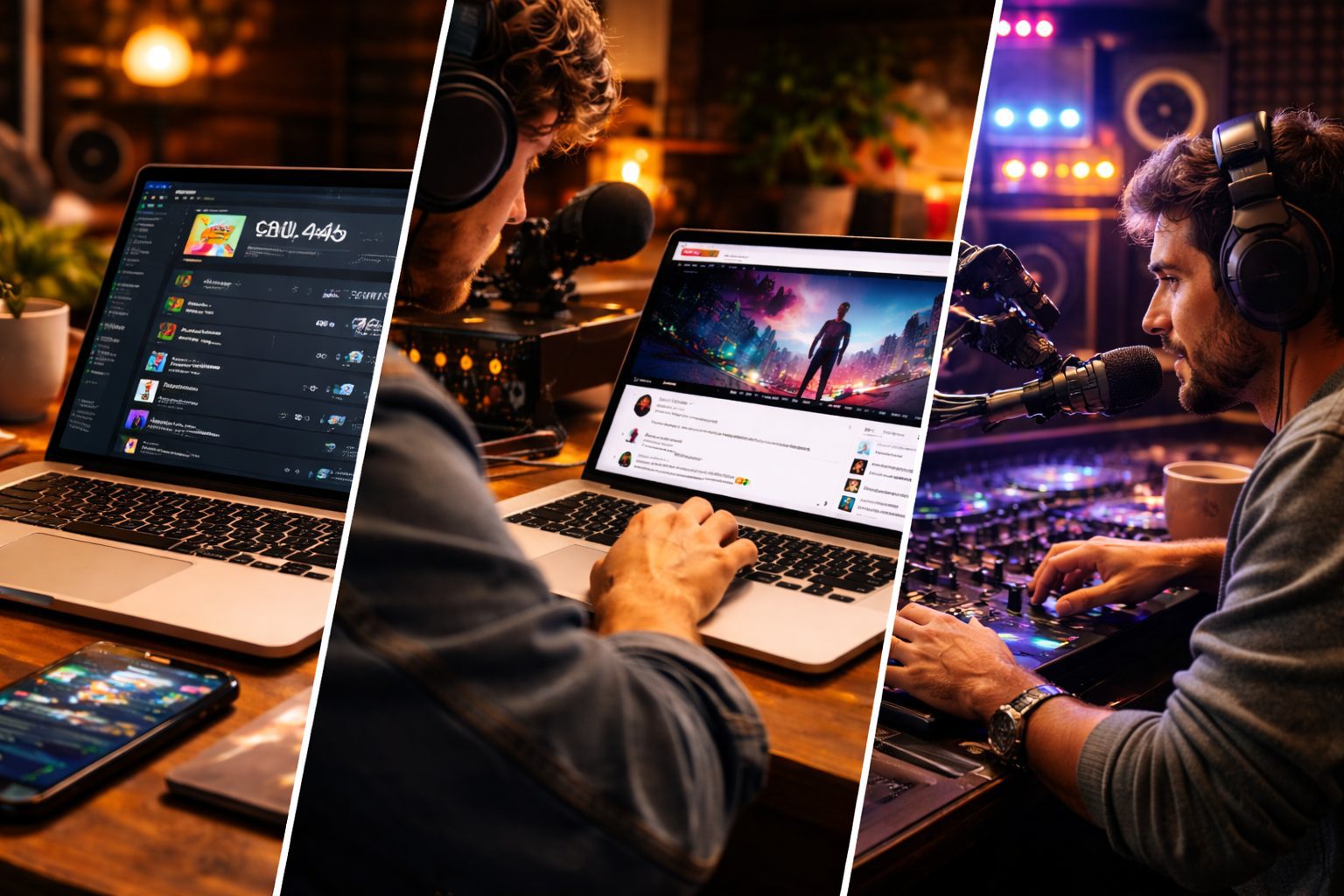
Today, three major curator environments dominate music discovery: streaming playlists, YouTube channels, and radio shows. Each operates with its own audience behavior, engagement model, and genre preferences. While they all serve the same fundamental purpose — introducing music to listeners — the way they amplify tracks can vary significantly.
Choosing the right curator ecosystem for your genre can make the difference between a track that quietly disappears and one that finds its audience.
Streaming Playlists: The Engine of Daily Discovery
Streaming playlists have become one of the most powerful gateways for new music. Platforms like Spotify and Apple Music allow curators to assemble collections of tracks tailored to specific moods, genres, or listening contexts.
Listeners often use playlists as background soundtracks for daily life: commuting, working, exercising, or relaxing. Because of this, playlists emphasize flow and cohesion. Songs are selected not only for quality but also for how well they blend into a continuous listening experience.
For artists working in genres such as house, lo-fi, chillhop, pop, or indie electronic, playlists often provide the most natural exposure. These styles integrate smoothly into mood-based listening environments, making them ideal for curated streaming collections.
Playlist placements also benefit from algorithmic amplification. When listeners save a track, replay it, or add it to their own libraries, streaming platforms may push the song further through recommendation systems like Release Radar or Discover Weekly.
In this sense, playlists often serve as the first step in a chain of discovery.
YouTube Channels: Visual Identity Meets Music
While streaming playlists dominate audio discovery, YouTube curator channels offer a different kind of experience. These channels combine music with visuals, creating immersive environments that often build strong communities around specific aesthetics.
Many channels focus on a clear artistic identity — whether it is synthwave neon visuals, atmospheric lo-fi animations, cinematic landscapes, or underground electronic scenes. The music becomes part of a broader visual narrative that keeps viewers engaged.
Genres that rely heavily on atmosphere and storytelling often perform well in this format. Ambient music, synthwave, cinematic soundtracks, lo-fi hip-hop, and electronic downtempo frequently thrive on curator channels because their moods align naturally with visual storytelling.
Another advantage of YouTube channels is longevity. A playlist placement may rotate out after a few weeks, but a video uploaded to a curator channel can continue generating views and engagement for years.
For artists with strong visual identity and emotionally immersive music, YouTube curation can be a powerful discovery pathway.
Radio Shows: The Human Voice of Music Discovery
Despite the rise of streaming platforms, radio shows continue to hold a unique place in music culture. Unlike playlists or algorithm-driven discovery systems, radio offers a human narrative around music.
A radio host does more than play tracks — they contextualize them. They introduce artists, comment on releases, and guide listeners through the musical journey of a show.
For genres built around DJ culture and live energy — such as house, techno, afro house, trance, drum & bass, or underground electronic scenes — radio shows remain incredibly influential.
Many DJs and tastemakers curate weekly programs that introduce listeners to fresh tracks before they appear in mainstream playlists. Being featured in such a show can place an artist directly inside a trusted musical conversation.
Radio also tends to attract dedicated listeners who actively follow hosts and their selections. This kind of audience engagement can create stronger artist recognition over time.
Audience Behavior Shapes the Platform
Each curator environment attracts a different listening mindset.
Playlist listeners usually seek continuous music without interruption, using playlists as soundtracks for everyday activities.
YouTube audiences tend to engage more visually and emotionally, often watching videos, commenting, and sharing tracks within communities.
Radio listeners, meanwhile, often connect with the personality of the host, trusting their taste and returning regularly to hear new selections.
Understanding these behavioral differences helps artists determine where their music will resonate most naturally.
Matching Your Genre to the Right Curator
Different genres thrive in different curator ecosystems.
Electronic dance music and club-oriented styles often perform well in radio shows and DJ sets, where energy and transitions play a key role.
Atmospheric or visually immersive genres tend to find strong audiences on YouTube curator channels, where visuals enhance the listening experience.
Mood-based music such as lo-fi, chill electronic, indie pop, or soft house frequently succeeds on streaming playlists, where listeners seek seamless background soundtracks.
Of course, many artists benefit from appearing across all three environments. However, focusing promotional energy on the platform that best matches a track’s identity often produces stronger results.
Curators Are the New Gatekeepers of Discovery
In today’s music landscape, discovery rarely depends on a single platform. Instead, it emerges from a network of curators who introduce new sounds to their communities.
Playlists shape everyday listening.
YouTube channels create visual musical experiences.
Radio shows maintain the human storytelling of music culture.
For independent artists, understanding these differences transforms promotion from random outreach into a strategic process.
Because when the right music meets the right curator — and the right audience — discovery stops being accidental.
It becomes inevitable.