
Listen closely to any modern hit — from electronic dance music to cinematic scores or hip-hop productions — and one thing becomes clear: the sound is rarely built from a single instrument. Instead, producers combine multiple layers of sounds to create depth, power, and texture. This technique, known as sound layering, is one of the most important secrets behind professional music production.
For beginner and intermediate producers, understanding layering can dramatically transform the quality of a track. A simple melody can suddenly sound massive. A drum hit can gain punch and character. A synth lead can become rich and expressive.
Layering is not about stacking sounds randomly. It is about designing a sonic architecture where each layer contributes something specific to the final result.
What Layering Really Means in Music Production
Layering is the process of combining several sounds so they function as one unified instrument. Each layer occupies a different role within the frequency spectrum or adds a specific sonic characteristic.
A typical layered sound may include:
- a fundamental tone providing the main pitch
- a brighter layer adding clarity
- a texture layer introducing atmosphere or movement
- a transient layer emphasizing attack
When carefully balanced, these layers merge into a single cohesive sound that feels larger and more detailed than any individual element.
This technique is widely used across genres. Electronic music producers layer synthesizers, hip-hop producers layer drum samples, and cinematic composers layer orchestral instruments to build massive sonic landscapes.
Layering Drums for Impact
Drum layering is one of the most common production techniques because it instantly enhances punch and presence.
A kick drum, for example, often benefits from multiple layers. One layer may provide the deep sub frequencies that give the kick its weight. Another layer might emphasize the midrange punch that helps it cut through a mix. A third layer can add the high-frequency click that defines the attack.
These layers are carefully aligned so they hit at the same moment, creating a powerful and focused drum sound.
Snare drums are also frequently layered. A snappy snare sample combined with a subtle clap or rimshot can produce a more complex and dynamic tone.
Many professional producers source drum layers from high-quality sample libraries. Platforms such as Splice provide extensive drum collections used in modern music production.
Another widely used resource is Loopcloud, which allows producers to browse and audition samples directly within their DAW environment.
Starting with strong source material is essential because layered sounds are only as good as the elements used to build them.
Synth Layering for Bigger Leads and Pads
Synthesizers offer endless opportunities for layering. Many iconic electronic sounds are actually combinations of several synth patches playing the same musical part.
A common technique is layering a warm analog-style synth with a brighter digital synth. The analog layer provides body and warmth, while the digital layer adds clarity and sparkle.
For lead sounds, producers often combine:
- a main synth carrying the melody
- a high-frequency layer adding presence
- a subtle noise or texture layer enhancing character
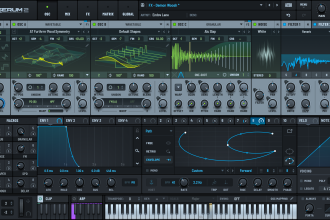
Modern software synthesizers make layering particularly easy. The free wavetable synth Vital allows producers to design complex layered sounds using multiple oscillators and modulation options.
For more advanced sound design, Serum by Xfer Records remains one of the most popular synth plugins used by professional producers.
https://xferrecords.com/products/serum
These tools enable producers to build layered sounds that evolve dynamically throughout a track.
Vocal Layering for Richer Performances
Layering is also widely used in vocal production. Many commercial recordings feature multiple vocal layers blended together to create a fuller and more polished sound.
Backing vocals are often recorded performing the same melody as the lead vocal. When mixed subtly beneath the main performance, these layers add thickness and depth.
Additional vocal layers may include harmonies, octave doubles, or whispered textures that enhance emotional intensity.
Even subtle vocal layering techniques can dramatically elevate the quality of a production.
EQ and Frequency Balance Between Layers
One of the most important aspects of layering is frequency management. If multiple layers occupy the exact same frequencies, they can interfere with each other and create muddiness.
Equalization helps solve this issue by carving space between layers.
For example, if one synth layer provides low-end warmth, another layer can be high-passed to emphasize midrange clarity. Similarly, a transient click layer may focus on high frequencies while avoiding the low-end entirely.
A precise equalizer is essential for this process. The free dynamic EQ TDR Nova is widely used by producers for shaping layered sounds.
https://www.tokyodawn.net/tdr-nova/
Professional engineers often rely on FabFilter Pro-Q 3, which offers powerful visualization tools that make it easier to identify overlapping frequencies.
https://www.fabfilter.com/products/pro-q-3-equalizer-plug-in
With careful EQ adjustments, layered sounds blend smoothly rather than competing for space.
Stereo Width and Spatial Placement
Layering also contributes to the stereo dimension of a mix.
Producers often place different layers across the stereo field to create a wider and more immersive sound. One synth layer may remain centered while another is slightly panned left or right.
Subtle detuning or modulation between layers can further enhance stereo width and create a sense of movement.
However, important elements such as kick, bass, and lead vocals typically remain centered to maintain stability in the mix.
Balancing width and focus is key to making layered sounds feel powerful without losing clarity.
Automation and Movement
Layered sounds become even more interesting when they evolve over time.
Automation allows producers to control parameters such as filter cutoff, volume, or effects on individual layers throughout a track. A pad layer might slowly open its filter during a build-up, while a texture layer gradually fades in during a breakdown.
These subtle changes add motion and keep the listener engaged.
Without movement, layered sounds can feel static. Automation transforms them into dynamic elements that interact with the energy of the arrangement.
When Less Is More
While layering is a powerful technique, it is also possible to overuse it. Too many layers can create clutter and reduce clarity within a mix.
Professional producers often focus on quality rather than quantity. Two or three carefully chosen layers usually produce better results than stacking ten similar sounds.
Each layer should have a clear purpose. If it does not add something meaningful — whether frequency, texture, or movement — it may not be necessary.
Final Thoughts
Layering is one of the defining techniques of modern music production. It allows producers to build rich, detailed sounds that stand out in professional mixes.
From punchy drum hits to expansive synth leads and lush vocal arrangements, layered sounds create depth, power, and character that a single instrument rarely achieves on its own.
By combining strong source sounds, managing frequencies with EQ, and carefully balancing stereo space, producers can unlock the full potential of layering.
The result is music that feels larger, fuller, and unmistakably professional.