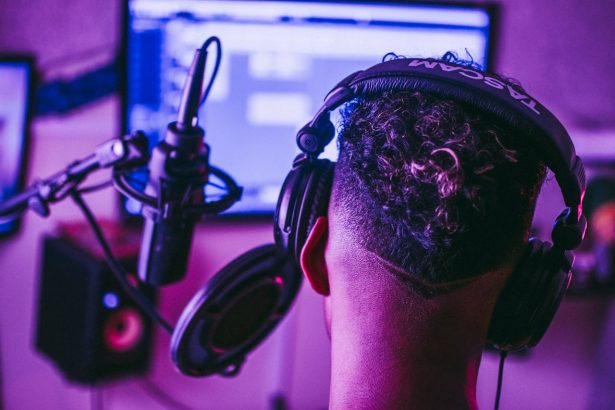

The music industry of 2026 increasingly resembles the software world.
Songs behave like products.
Releases function like updates.
Algorithms react like user experience engines.
And artists who embrace a developer mindset outperform those who rely solely on creativity and spontaneity.
- The Developer Mindset Applied to Music
- 1. Musical Versioning: Releases as Product Updates
- 2. Release Notes: Communicating Your Artistic Evolution
- 3. A/B Testing: The Secret Weapon for Better Songs and Better Promotion
- 4. Using Listener Feedback the Way Developers Use User Feedback
- 5. Iterating Like a Developer: The Continuous Release Cycle
- 6. Building Fans the Way Developers Build Users
- 7. Long-Term Growth Through Version Control
- Why This Developer Approach Works Better Than Traditional Promotion
- Conclusion: The Future Artist Is a Creative Engineer
- AUDIARTIST
Versioning, release notes, iterative testing, and data-driven refinement — these concepts may sound foreign to musicians, but they now define the strategies behind many successful independent artists.
This article explores how thinking like a developer can transform your release cycle, strengthen your algorithmic performance, and build long-term listener loyalty.
The Developer Mindset Applied to Music
In software development, nothing is ever final — everything evolves through iteration.
Music promotion now works the same way.
A developer mindset includes:
- continuous improvement
- rapid iteration
- structured releases
- user feedback integration
- data-informed updates
- clear communication of changes
- version control
Artists who adopt these principles create music experiences, not just songs.
1. Musical Versioning: Releases as Product Updates
Software has versions: 1.0 → 1.1 → 1.2 → 2.0.
Music can follow a similar pattern:
- original version
- radio edit
- extended edit
- acoustic version
- remix
- remaster
- alternate mix
- slowed + reverb
- sped-up version
- live session
Each iteration reactivates your algorithmic momentum.
Platforms like https://soundcloud.com/ allow artists to release variations quickly, while Spotify encourages alternate versions through its algorithmic segmentation.
Versioning keeps fans engaged and algorithms alert.
2. Release Notes: Communicating Your Artistic Evolution
Developers communicate updates through release notes.
Artists can use the same method:
- what changed
- what inspired the update
- what listeners can expect
- how this version differs from the last
Where to publish release notes?
- Instagram captions
- TikTok storytelling videos
- Discord announcements
- Newsletter posts (via https://beehiv.com/)
- Your artist website (ex: https://www.audiartist.com/)
This transparency strengthens parasocial connection and enhances emotional investment.
3. A/B Testing: The Secret Weapon for Better Songs and Better Promotion
In software, A/B tests put two variations in front of users to collect data.
Artists can do the same.
A/B Testing Ideas
- two different hooks
- two different intros
- two cover designs
- two micro-video styles
- two captions
- two transitions
- two audio mixes
Platforms like TikTok and Instagram Reels offer real-time performance analytics — perfect for testing snippets before release.
Upload 2–4 versions privately or as drafts and compare:
- watch time
- replays
- comment rate
- saves
- shares
The best-performing snippet becomes your official promo asset.
4. Using Listener Feedback the Way Developers Use User Feedback
Developers collect bug reports and feature requests.
Artists can collect:
- mix feedback
- favorite sections
- emotional responses
- playlisting behavior
- use cases (study, gym, driving, nightlife)
- expectations for future releases
Discord and private chats are ideal environments for structured feedback loops.
Think of your listeners as beta testers for your creative world.
5. Iterating Like a Developer: The Continuous Release Cycle
In tech, iteration means small, frequent updates.
In music, iteration means:
- more regular releases
- more frequent content
- more recalibrations
- micro-adjustments based on data
- faster pivots toward what works
This prevents stagnation and keeps your profile active in the algorithm’s memory.
Tools like https://soundcharts.com/ or Spotify for Artists analytics help refine these iterations.
6. Building Fans the Way Developers Build Users
Developers create onboarding flows — artists should too.
Onboarding sequence for new fans:
- Micro-video introducing your identity
- A pinned playlist for entry into your world
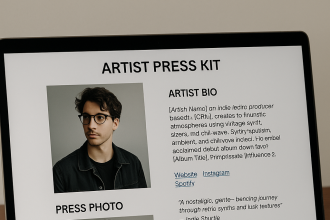
- An artist bio optimized around keywords and storytelling
- A link-in-bio hub (ex: https://vibely.link/)
- A welcome message or community prompt in Discord
This shifts your strategy from passive listeners → active participants.
7. Long-Term Growth Through Version Control
Just like developers track code evolution, artists should track:
- release changes
- artwork changes
- audio updates
- mix refinements
- metadata adjustments
When you understand your creative history, you can better understand your evolution — and your audience’s response to it.
Version control is emotional clarity.
Why This Developer Approach Works Better Than Traditional Promotion
Because it aligns with modern consumer behavior:
- fast-paced
- attention-fragmented
- algorithm-influenced
- community-driven
- preference for transparency
- love for iterations
- craving for “behind the curtain” insights
Today’s fans don’t want mystery.
They want involvement.
And the developer mindset is the ultimate blueprint for involvement.
Conclusion: The Future Artist Is a Creative Engineer
Artists who think like developers:
- release smarter
- iterate faster
- promote more efficiently
- build deeper communities
- stabilize algorithmic momentum
- understand listener psychology
- maintain long-term relevance
Music is no longer a static release.
It’s a continuous, evolving experience.
The future belongs to the creative engineer — the artist who codes emotions into systems, stories, and iterative worlds.