

With “Veneno,” Twinsello deliver a track that lives up to its title. This isn’t heartbreak as a dramatic scene—this is heartbreak as a substance. Something that seeps into you, stays in your bloodstream, and keeps speaking long after the last message was sent. Damien and Bastien, twin brothers behind the project, transform a Latin-inspired love story into a modern confession: the kind of relationship where you gave everything… and still ended up as strangers.
“Veneno” as a feeling you can’t detox from
The hook is brutally simple and that’s exactly why it works:
“Veneno, veneno… I’ve got it in my blood.”
Twinsello don’t try to intellectualize the pain. They repeat it. They let it loop like an intrusive thought you can’t mute. The chorus isn’t just catchy—it’s symptomatic. The word veneno becomes the emotional diagnosis: love as poison, love as addiction, love as a memory that refuses to behave like a memory.
A breakup told through insomnia, silence, and chaos
The lyrics move like nights that won’t end. The breakup isn’t described as a single moment; it’s described as a condition—weeks passing, sleep disappearing, the mind replaying everything in the dark:
- “It’s been weeks since you left… every night I wake up, I can’t sleep anymore.”
- “We promised to stop writing… but every day I talk to you in my thoughts.”
That’s the emotional core of “Veneno”: the relationship is over on paper, but not in the body. Not in the reflexes. Not in the habits of the heart.
And then comes the line that frames the whole track with cinematic clarity:
“We got lost in the chaos, and silence is my only echo.”
Silence as echo is a powerful paradox: when the other voice is gone, you’re left hearing yourself—your doubts, your regrets, your unanswered questions. Twinsello use that emptiness as a soundscape. The song keeps returning to that void, making it feel tangible.
The most painful ending: becoming strangers
Some breakups end in anger. Some end in sadness. “Veneno” focuses on something colder and often more real: disconnection.
“At the end of losing ourselves, we become like two strangers.”
That’s the line that hits because it’s not poetic—it’s accurate. It describes the slow erosion of intimacy, the moment you realize you no longer recognize the person you once knew by heart. The track doesn’t blame. It observes. It confesses. And that restraint makes the emotion sharper.

Latin inspiration that feels lived-in, not borrowed
The Spanish phrases (“la noche,” “maldito amor”) don’t feel like decoration. They feel like muscle memory. And that makes sense when you look at Twinsello’s story.
Music has been part of Damien and Bastien’s lives forever. They were introduced early by their grandfather, a trumpet and saxophone player, and grew up between two worlds:
- flamenco and rumba inherited from their Spanish father
- the French chanson/variety atmosphere that shaped their everyday listening
That blend is Twinsello’s identity: tradition meeting modern songwriting, warmth meeting melancholy, roots meeting current production choices. Each track becomes a bridge—never forced, never touristy.
A scent disappearing, a poison remaining
One of the most intimate images in the lyrics is also the most universal:
“Your perfume on my body slowly disappears.”
That line captures the real end of a relationship—not when you say goodbye, but when the body stops keeping proof. When the last traces fade. And what remains isn’t the person, but the aftereffect: the veneno.
It’s heartbreak told through physical memory: smell, sleep, routine, thought. That’s why the song sticks. It doesn’t just describe pain—it locates it.
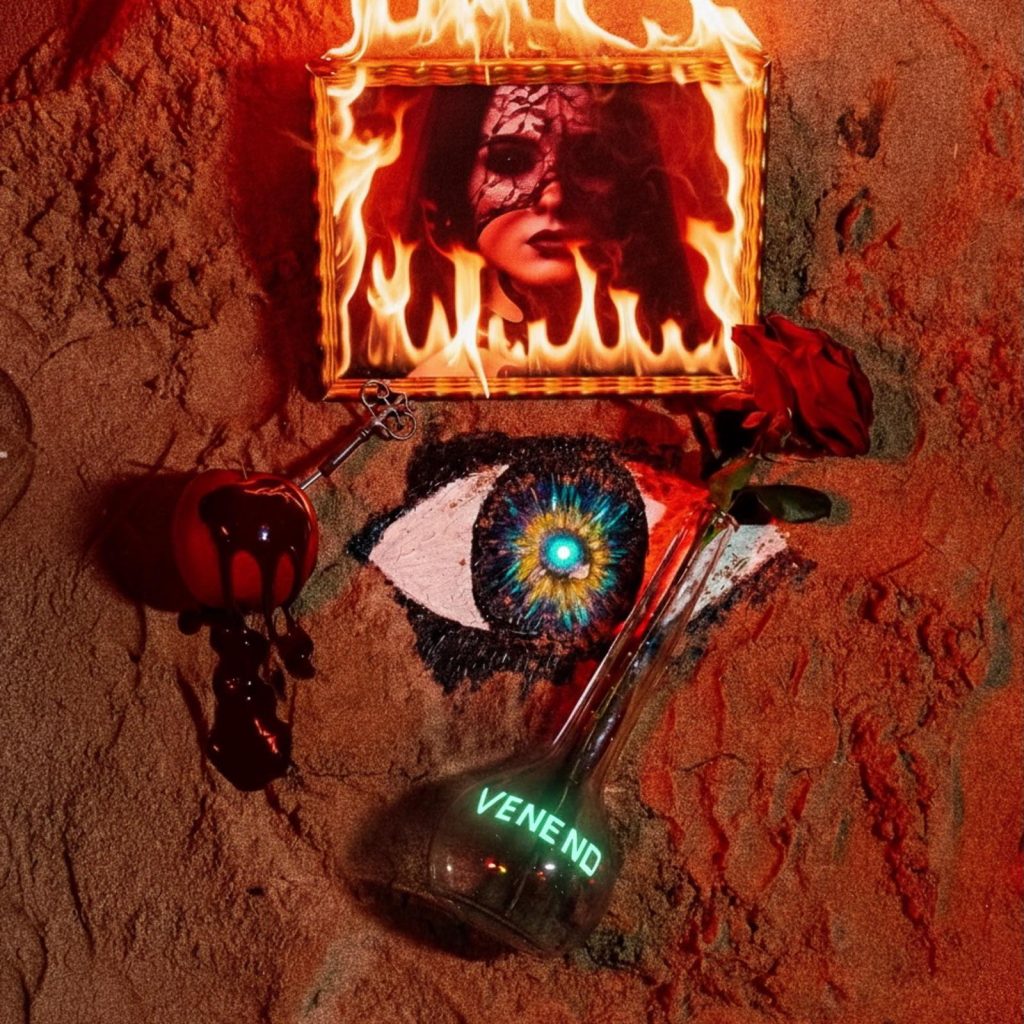
“Veneno” is Latin-inspired, intimate, and visceral—a track that feels like a late-night confession you didn’t plan to say out loud. Twinsello turn a personal story into a mirror, and listeners will recognize themselves in that final, brutal truth: sometimes you love someone with your whole soul… and still end up strangers.
Twinsello: streaming & socials