
In 2026, your “brand” isn’t a logo. It’s the shortcut people use to remember you. If listeners can’t describe you quickly, they can’t recommend you, playlist you, or search you later.
- The One-Sentence Formula (copy/paste)
- The 2026 positioning checklist (what makes it work)
- The 10-minute positioning workshop
- The practical visual kit (small but powerful)
- Canva workflow that doesn’t waste hours
- The biggest visual mistakes in 2026
- The 4-part narrative arc (simple and effective)
- 1) Origin (why it exists)
- 2) Creation (how it became real)
- 3) Meaning (what it says)
- 4) Release (invite the listener in)
- Turn the arc into content
- The 2026 truth
- The “lane choice” test
- How people actually find tracks
- Title strategy that helps discovery without killing creativity
- Covers that convert
This exercise helps you build a one-sentence positioning statement that’s specific, memorable, and usable everywhere (bio, press pitch, Spotify profile, TikTok captions, EPK).
The One-Sentence Formula (copy/paste)
I make [GENRE/SUBGENRE] that feels like [EMOTION/MOOD] for people who love [REFERENCE ARTISTS/SCENES], powered by [YOUR SIGNATURE ELEMENT].
Examples (clean, non-cringe)
- “I make cinematic deep house that feels warm and nocturnal for fans of Keinemusik and RÜFÜS DU SOL, powered by vocal chops and rolling low-end.”
- “I make gritty alt-rap that feels like late-night confessions for fans of Earl Sweatshirt and MIKE, built on dusty drums and jazz loops.”
- “I make synthwave that feels like neon nostalgia for fans of Carpenter Brut and Kavinsky, driven by aggressive bass and retro leads.”
The 2026 positioning checklist (what makes it work)
Your sentence should include:
- A clear lane: not “electronic,” but “melodic techno,” “afro house,” “lo-fi jazz hop”
- A mood: what the listener feels
- A listener identity: who it’s for
- A signature: something you consistently do
If you can swap your name with any other artist and nothing changes, it’s too generic.
The 10-minute positioning workshop
Answer these questions fast. No overthinking.
- What subgenre do you actually sound like (not what you wish you sounded like)?
- What mood do you produce most often (choose 2 words)?
- Where does your music live: club, headphones, gym, night drive, study, soundtrack?
- What do people compliment when they hear your tracks?
- What’s your signature move (sound, rhythm, writing, theme, voice)?
Then write 10 versions of your sentence. Pick the one that feels obvious.

Visual Identity for Musicians: A Practical Guide (Canva + Templates)
Visual identity is not “being aesthetic.” It’s reducing cognitive load. When someone sees your cover or clip, they should recognize you before they even read the name.
The practical visual kit (small but powerful)
Build a kit you can reuse:
- 2 fonts (one for headlines, one for body text)
- 3 colors (primary, secondary, neutral)
- 1 texture or motif (grain, neon line, paper, chrome, film frame)
- 1 layout rule (e.g., title always bottom-left, logo always top-right)
- 1 image style (high-contrast portraits, minimal abstract, street photos, 3D renders)
You don’t need 50 templates. You need 5 templates used consistently.
Canva workflow that doesn’t waste hours
Canva: https://www.canva.com/
Templates you should create (and keep)
- Single cover template
- YouTube thumbnail template
- Short-form caption frame (for lyrics/quotes)
- Announcement post (release date, pre-save, tour)
- Story template (polls, Q&A, link sticker)
Export settings that avoid “cheap” visuals
- Use high-res exports
- Keep text large and readable on mobile
- Leave breathing room (padding is style)
The biggest visual mistakes in 2026
- Changing your style every release (people can’t recognize you)
- Too much text
- Fonts that look like default slides
- Covers that don’t match the music’s mood (bait-and-switch)
Storytelling for Artists: Turning One Track Into a Narrative Arc
Storytelling is not inventing a fake life. It’s giving context that makes a song stick.
A single track can generate a full narrative arc across release week and beyond.
The 4-part narrative arc (simple and effective)
1) Origin (why it exists)
- The real moment, emotion, or question behind the song
2) Creation (how it became real)
- Your process, the challenge, the breakthrough
3) Meaning (what it says)
- What the listener should feel, imagine, or remember
4) Release (invite the listener in)
- A clean call-to-action: save, follow, join list, share
Turn the arc into content
- Origin: one sentence story + hook clip
- Creation: studio BTS + “problem → solution”
- Meaning: lyric breakdown / sound design explanation
- Release: “Start here” post + playlist placement + email
This turns promotion into a story rather than repetitive reminders.

Niche vs Mainstream: How to Choose Your Lane in 2026
Choosing a lane is not limiting yourself. It’s choosing the audience you want to win first.
The 2026 truth
Mainstream reach is expensive and noisy. Niche reach is cheaper and converts harder—if your niche is well-defined.
When niche is the smarter move
- You’re independent with limited budget
- Your sound is specific (subgenre + mood)
- You want loyal fans and repeat listeners
- You can dominate a small scene faster than compete with everyone
When mainstream makes sense
- You already have momentum
- Your music is broadly accessible
- You can deliver consistent content at scale
- You have strong collaborations/marketing support
The “lane choice” test
Ask:
- Can a stranger describe your sound in one sentence?
- Do you have 10 comparable artists who share your audience?
- Is your audience identity clear (where they hang out, what they watch)?
If not, go niche first. Niche is how you earn the right to go wide.
Naming, Covers, and Titles: The Underrated SEO of Music
Most artists treat naming like an afterthought. In 2026, that’s a mistake. Your title is not just art—it’s searchability.
How people actually find tracks
- Search by mood (“sad techno,” “night drive,” “chill bass”)
- Search by genre + year (“afro house 2026”)
- Search by lyric line (if vocals)
- Search by playlist vibe (“workout house,” “lofi jazz”)
Title strategy that helps discovery without killing creativity
Good title traits
- Easy to spell
- Easy to say
- Distinct (not identical to 50 other tracks)
- Matches the mood
Avoid in 2026
- Excessive symbols that break search
- Same title as a mega-hit (you’ll get buried)
- Titles that don’t match the vibe (confuses listeners)
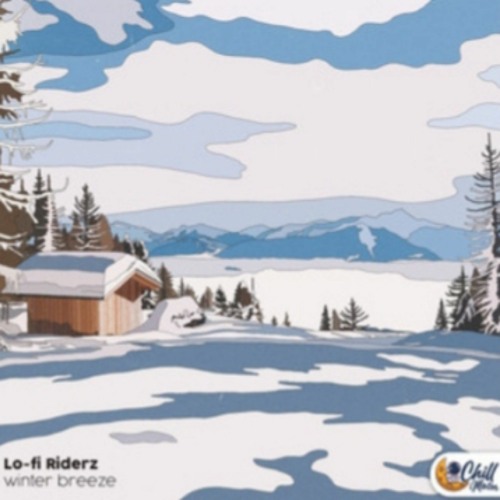
Covers that convert
A good cover does two jobs:
- Stops the scroll
- Signals the genre/mood instantly
Quick cover checklist
- Strong contrast at thumbnail size
- One focal point
- Consistent brand elements (font, motif, palette)
- Fits your lane (niche visuals for niche sound)