

Instagram in 2026: What Works Now, What No Longer Delivers, and Why the Platform Has Changed the Rules
Instagram is no longer the platform many creators learned five years ago. It is no longer driven mainly by follower counts, polished still images, or the old belief that posting often is enough to stay visible. In 2026, Instagram behaves much more like a recommendation platform built around attention, retention, and shareability. The feed has not disappeared, but the logic behind visibility has evolved. What matters now is not simply whether something is posted, but whether it gives people a reason to stop, watch, swipe, save, or send it to someone else.That shift changes everything for artists, brands, media outlets,…

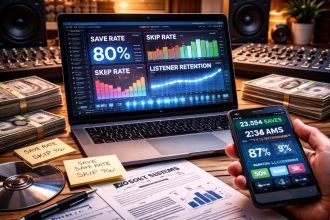
Spotify Algorithm Myths (2026)
What Actually Triggers Discovery — and What Gets You Ignored For years, artists have chased the Spotify algorithm like a mythical creature — whispered about in forums, blamed for stagnation, credited for sudden success. “Release on Fridays,” “boost streams in the first 24 hours,” “game the system with playlists.” The advice is endless, contradictory, and often wrong. In 2026, Spotify’s discovery ecosystem is less mysterious than many believe. It doesn’t reward tricks. It rewards listener behavior. Understanding the difference between myth and measurable signals can transform how artists approach releases — and why some tracks rise while others disappear into…
Streaming Fraud for Beginners
How Fake Streams Work — and How Innocent Artists Get Burned In today’s music economy, numbers travel faster than sound. A track with thousands of streams looks credible, attracts industry attention, and signals momentum. This reality has fueled a shadow market of “growth services” promising instant plays, playlist placements, and algorithmic boosts. For many artists, these offers appear to be legitimate promotion. In reality, they often rely on artificial streaming — a practice that can erase royalties, damage reputations, and even lead to catalog removal. Worse, countless artists discover the consequences only after the damage is done. Understanding how fake…

Free Music Distributors in 2026
The Best No-Upfront Options, and the Cheap Plans Worth Considering Free music distribution still exists in 2026, but it no longer looks as generous or as simple as it once did. For independent artists, the big change is not that free has disappeared. It is that free now comes in several formulas. Some distributors still let you release music worldwide with no upfront payment, but they take a cut of your royalties. Others keep 100% royalty payouts but now belong more clearly to the low-cost subscription category. A few platforms still use the language of free access, yet reserve full…
The Rise of AI Music “Slop”
How Platforms Detect It — and How Real Artists Get Caught in the Net The music industry is facing a new flood — not of piracy, but of volume. Thousands of AI-generated tracks are uploaded to streaming platforms every day, many created in minutes, often indistinguishable in structure, tone, and metadata. Industry insiders have started calling it “AI music slop”: mass-produced, low-effort audio designed to exploit algorithms rather than engage listeners. But as platforms tighten detection systems to filter this wave, a new problem emerges: real artists are increasingly caught in the crossfire. What Is “AI Music Slop” — and…

Sync Licensing in the AI Era
Can Brands Use AI Music Safely in Ads and Films? AI-generated music is rapidly entering the world of advertising, branded content, film, and streaming platforms. For agencies and brands, the appeal is obvious: faster turnaround, lower costs, customizable soundtracks, and fewer negotiations with rights holders. But beneath the efficiency lies a critical question with legal, financial, and reputational implications: Can AI-generated music truly be used safely in commercial sync — and who is responsible if something goes wrong? As AI audio tools become embedded in production pipelines, sync licensing is entering a new era where ownership, liability, and due diligence…
Streaming Fraud for Beginners
How Fake Streams Work — and How Innocent Artists Get Burned In the modern music economy, streams equal visibility, credibility, and income. That equation has created a shadow industry promising instant growth: guaranteed plays, viral boosts, algorithmic traction. For emerging artists under pressure to show momentum, the offers can be tempting. But behind the glossy dashboards and “organic promotion” claims lies a harsh reality: streaming fraud is one of the fastest ways to damage a career — even when the artist never intended to cheat the system. Understanding how fake streams work, how platforms detect them, and why innocent artists…
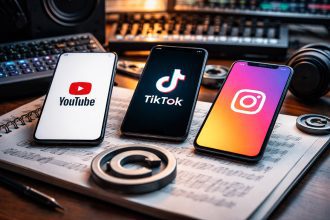
YouTube vs TikTok vs Instagram
Same Track, Different Copyright Rules — Here’s Why Upload the same song to YouTube, TikTok, and Instagram, and you may encounter three completely different outcomes: monetized on one platform, muted on another, and flagged with a claim somewhere else. This isn’t inconsistency — it’s the result of three distinct ecosystems built on different licensing agreements, detection technologies, and risk management strategies. For artists, producers, brands, and content creators, understanding these differences isn’t optional anymore. It’s a core part of modern music distribution. Copyright Is Universal — Platform Rules Are Not Copyright law itself doesn’t change from platform to platform. If…
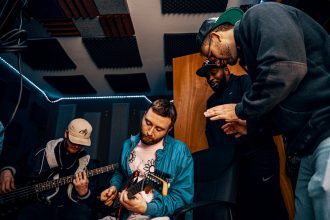
Evergreen Music in 2026: Creating Tracks That Stay Relevant for Years
In a culture obsessed with new releases, longevity has become a competitive advantage. While many tracks enjoy brief moments of attention before fading into obscurity, others continue to generate streams, placements, and discovery years after their release. These are evergreen tracks — not tied to trends, but anchored in timeless utility. Utility Over Trend Evergreen music serves a purpose: focus, relaxation, travel, study, workouts, cinematic background, meditation. These contexts do not expire. Listeners return to them daily. A track attached to a trend fades with the trend. A track attached to a need persists. Emotional Neutrality and Repeatability Evergreen tracks…
