

EQ for Beginners: How to Clean a Mix Without Ruining It
Equalization is one of the first tools every new producer touches, and one of the first ways a mix can go gloriously, confidently wrong. A few moves with an EQ plugin can make a muddy track feel cleaner, a vocal sit better, or a kick stop arguing with the bass. But the same tool can also strip the life out of a sound, make a mix thin and nervous, or turn a promising song into something that feels strangely smaller every time you “fix” it.
That is the trap beginners run into with EQ. It looks simple. A graph, a few dots, some curves, some cutting, some boosting. In reality, EQ is less about drawing shapes and more about making decisions. It is about hearing what matters, understanding what is getting in the way, and changing only what genuinely needs changing. The goal is not to make every sound impressive on its own. The goal is to help the whole mix breathe.
The good news is that beginner EQ does not need to be complicated. You do not need surgical wizardry, expensive plugins, or a degree in frequency theology. What you need is a clean way of thinking: cut before you boost, solve problems before polishing, and stop the moment the track feels better. That last one, incidentally, is where many producers discover that restraint is the rarest plugin in the room.
EQ is not decoration
It is a problem-solving tool first. Use it to create space, reduce masking, and guide attention.
Less is usually more
Small, thoughtful moves nearly always beat dramatic boosts and heroic cuts.
Context beats solo mode
A sound that seems dull alone can be perfect once the full arrangement is playing.
What EQ Actually Does
At its simplest, EQ changes the balance of frequencies in a sound. It can reduce low-end rumble, tame harshness, lift presence, soften mud, or shape the tone of an instrument so it fits more naturally inside a mix. That sounds technical, but the musical idea is straightforward. Every sound occupies space. When too many sounds compete in the same part of the spectrum, the mix becomes crowded, cloudy, and tiring. EQ helps restore order.
This is why EQ matters so much in beginner mixing. Most early mixes are not ruined by lack of expensive processing. They are ruined by overlap. The vocal fights the synth. The kick fights the bass. The guitars live exactly where the vocal wants clarity. The low mids collect like old furniture in a small apartment. EQ is often the first real tool that teaches producers how to make room instead of just adding more things to a full room and hoping good manners will sort it out.
The Biggest Beginner Mistake: EQing With Your Eyes
Modern EQ plugins are visual, which is helpful until it becomes distracting. Beginners often start cutting or boosting because a shape looks “right” on screen, not because the mix improved. A dramatic dip in the low mids can look wonderfully decisive. A shiny high-end shelf can feel like instant professionalism. But music is not judged by graphs. It is judged by ears, emotion, and translation.
The screen should support your listening, not replace it. If you are always reaching for the same boost on every vocal, the same high-pass on every instrument, or the same smile-curve on every mix, you are probably mixing by habit rather than hearing. EQ becomes powerful when it is reactive, not automatic.
Cut First, Boost Later
One of the best beginner habits is learning to clean before you decorate. When a sound feels boxy, muddy, harsh, or overly thick, there is often more to gain from removing the problem than from boosting something “nice” somewhere else. A careful cut can create instant clarity. A careless boost can make the problem louder in nicer clothes.
This is especially true in crowded arrangements. If your vocal lacks clarity, it may not need more top end. It may simply need less competition from keyboards, guitars, pads, or backing layers in the same range. If your kick lacks impact, it may not need a massive low boost. The bass may simply be occupying too much of the same space. Good EQ is often subtractive because subtraction creates room, and room is what mixes live on.
The Frequency Areas Beginners Should Learn to Hear
You do not need to memorize a clinical chart of every frequency range, but it helps to build rough associations. The very low end is weight and rumble. The low mids are where warmth lives, but also where mud and congestion gather when too many sounds pile up. The mids shape identity, intelligibility, and presence. The upper mids can bring excitement or harshness depending on how hard they are pushed. The top end adds air, brightness, and detail, but too much of it can make a mix feel brittle, thin, or exhausting.
Beginners often discover something important here: the same region can be useful and problematic at the same time. Low mids are not the enemy. They are only the enemy when everything insists on keeping all of them. High frequencies are not automatically better. Brightness is attractive until it becomes sharp, splashy, and strangely cheap. EQ is not about obeying fixed rules. It is about knowing what each region tends to contribute and deciding whether that contribution helps the track.
Why High-Pass Filters Are Useful, but Not Magical
Many beginners are taught to high-pass almost everything, as if cutting the lows from half the session were some sacred initiation rite. In practice, high-pass filters are incredibly useful when they remove rumble, unnecessary sub information, or low-end build-up that does nothing but crowd the mix. But they are not a ritual. Used carelessly, they can thin out instruments, remove natural body, and make a track feel strangely nervous and small.
The real question is not “Should I high-pass this?” It is “Does this sound contain low information that is actually getting in the way?” A vocal recorded in a bedroom may benefit from clearing useless low-end rumble. A pad may not need all of its bottom information if it is stepping on the bass. But if you aggressively filter every channel out of habit, your mix may end up technically tidy and emotionally underfed.
Solo Mode Is a Liar, and Not Even a Subtle One
EQing in solo has its place. It can help you hear a problem more clearly, especially when searching for resonance, hiss, harshness, or unnecessary rumble. But it becomes dangerous when you start making tone decisions in isolation. A guitar that sounds huge in solo may be far too thick once the vocal enters. A vocal that sounds a little thin alone may sit perfectly above a dense arrangement. A snare that feels bright in isolation may be exactly what the chorus needs.
This is one of the great lessons of mixing: beautiful individual sounds do not automatically create a beautiful mix. EQ should be judged in context. If the full track sounds cleaner, more balanced, and easier to follow, the move worked. If the isolated sound became prettier but the mix became weaker, the move was vanity, not progress.
Use Narrow Moves for Problems, Broader Moves for Tone
A useful beginner principle is this: when you are removing a specific annoyance, go narrower. When you are shaping overall character, go broader. A narrow cut can tame a nasty ring, a harsh resonance, or a boxy note that jumps out in a vocal or synth. A broader, gentler move is often better when you want a sound to feel warmer, brighter, more open, or slightly more forward.
Beginners often reverse this without realizing it. They make huge, narrow boosts that sound unnatural, or broad cuts that hollow out the entire sound in search of one problem. The result is often a mix that feels processed rather than improved. EQ should feel like correction or enhancement, not surgery with dramatic lighting.
The Real Secret of Clean Mixes Is Space, Not Hype
Clean mixes do not usually come from boosting everything into excitement. They come from making choices about who gets to speak, where, and when. A vocal does not need infinite brightness if the instruments around it are trimmed intelligently. A bass can feel bigger when the kick is defined properly. A synth can feel expensive when it occupies a clear role instead of sitting on every possible frequency like a guest who refuses to leave after dessert.
This is why EQ is closely tied to arrangement. If ten elements all occupy similar ranges at the same time, no plugin will make the mix feel spacious in a truly elegant way. EQ can help, but it cannot completely save an arrangement built on frequency traffic. Sometimes the cleanest mix decision is not another EQ move. It is muting a layer, changing an octave, simplifying the part, or letting fewer sounds carry more weight.
A Free EQ Plugin Worth Knowing: TDR Nova
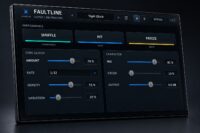
For beginners who want a serious free EQ tool that can grow with them, TDR Nova is an excellent place to start. It gives you precise control for standard EQ work, but it also opens the door to dynamic EQ, which is incredibly useful when a frequency only becomes a problem some of the time. That means you can tame harshness, muddiness, or vocal sibilance more intelligently than with blunt static cuts.
For a beginner, that matters because it teaches an important lesson early: not every problem needs to be cut all the time. Sometimes a sound only gets too bright on certain words, too boxy on certain notes, or too aggressive when the singer leans in. Dynamic EQ can solve that in a musical way, and TDR Nova is one of the rare free tools that lets newcomers explore that territory without paying premium-plugin prices on day one.
A Better Beginner Workflow for EQ
Start by listening to the sound in the mix, not by opening the plugin immediately. Ask what the actual problem is. Is the vocal buried? Is the piano masking the vocal? Is the low end messy? Is the cymbal harsh? Once you can name the problem in plain language, EQ decisions become simpler and better. Then make a small move and compare. Not once, but several times. Bypass the EQ. Re-engage it. Level-match if necessary. Decide whether the mix improved, not whether the plugin curve looks impressively professional.
This approach feels slower at first, but it becomes faster over time because it trains your ears instead of your mouse. And that is what beginners really need. Not more presets. Better listening. The more you can hear the problem before you touch the EQ, the less likely you are to ruin a sound while trying to rescue it.
When to Stop
This may be the hardest EQ skill of all. Beginners often keep going because the plugin invites more movement. Another notch here. A shelf there. One more cut because that frequency still looks a bit suspicious. Before long, the sound is technically shaped and emotionally dead. The best EQ move is often the smallest one that solves the problem and then stops.
If the mix is clearer, more balanced, and easier to follow, you do not need to keep proving that you understand the plugin. A restrained EQ move is not less impressive. It is usually more musical. The goal is not to show your work. It is to make the song feel effortless to the listener.
Clean, Controlled, and Still Alive
The best beginner EQ mindset is surprisingly simple: listen first, cut with purpose, boost carefully, and always judge the result in context. A clean mix is not one where every sound has been aggressively polished into submission. It is one where each element has enough room to do its job without stepping all over everything else.
That is what EQ is really for. Not perfection. Not visual symmetry. Not turning every track into a bright, hyper-shaped version of itself. Just clarity, balance, and the kind of subtle control that helps a song feel more focused without losing its personality. Done well, EQ does not make a mix feel processed. It makes it feel obvious, as if it was always supposed to sound that way.
::contentReference[oaicite:0]{index=0}