
Your First Home Studio: Essential Gear Without Wasting Money
The modern beginner home studio is caught between two extremes. On one side, there is the romantic fantasy of making records with nothing but instinct, a laptop, and a pair of tired earbuds. On the other, there is the algorithm-fed shopping spiral that suggests you need a premium microphone, a flagship interface, expensive monitors, six subscription plugins, acoustic treatment in every corner, and perhaps a minor bank loan before you are allowed to write a chorus.
The truth sits somewhere in the middle, and thankfully much closer to the affordable end. In 2026, building a first home studio is less about collecting gear and more about avoiding the wrong purchases at the wrong time. The smartest beginner setup is not the most expensive one. It is the one that lets you start quickly, hear your work clearly, and finish songs before your enthusiasm gets buried under cardboard boxes and software installers.
A home studio does not need to look impressive to be effective. It needs to be usable, stable, and honest. That means choosing tools that solve actual problems rather than imaginary future ones. If you are just starting out, the goal is not to build a professional showroom. It is to create a space where ideas can move fast, mistakes can teach you something, and progress is not held hostage by unnecessary spending.
Start with function
Your first studio should help you write, record, and arrange music with the least friction possible.
Buy in phases
A beginner setup grows better when each upgrade answers a real need instead of a marketing urge.
Protect your budget
Money saved early can go toward the gear that really changes your workflow later on.
The Core of a Beginner Home Studio Is Smaller Than You Think
Strip away the hype and a beginner home studio comes down to a few essentials: a reliable computer, a DAW, a way to hear your music properly, and—if you plan to record—an audio interface and a microphone. That is the foundation. Not twenty plugins. Not three pairs of monitors. Not a desk that looks like a spaceship parked in a Scandinavian furniture catalog.
The first mistake many producers make is buying for the image of production rather than the reality of it. They imagine themselves needing the same setup as someone who tracks vocals every day, records instruments, mixes for clients, and masters releases. But if your current reality is making beats, sketching songs, learning arrangement, and experimenting with sounds, your first studio can and should be far simpler.
In practical terms, that means your first studio should be built around what you do most. If you mostly program music in the box, your software and listening setup matter more than a fancy microphone. If you are a singer-songwriter, the interface and mic matter sooner. If you are mainly learning electronic production, a good DAW and a few strong free instruments will take you much further than another impulse purchase disguised as “investment.”
Choose a Computer That Is Stable, Not Heroic
A beginner does not need a monster machine, but they do need a dependable one. Music production punishes instability more than it rewards excess power. A clean, reliable computer that runs your DAW smoothly, handles a handful of tracks and plugins, and does not wheeze every time a reverb appears is already enough to begin serious work.
That is why many first-time producers spend too much in the wrong place. They overbuy on raw power and underinvest in the things they will notice immediately, like monitoring, workflow, and comfort. If your machine can run your DAW, record audio cleanly, and manage a growing project without turning every session into a negotiation, you are ready. The rest is refinement, not entry permission.
Your DAW Matters More Than Brand Prestige
No beginner should lose sleep over the mythology of DAWs. The best DAW for your first home studio is the one you will learn deeply enough to stop thinking about it. Speed comes from familiarity. Confidence comes from repetition. If every session begins with confusion over shortcuts, routing, and basic editing, creativity leaks out long before the music has a chance to breathe.
There is also no need to rush into expensive software if your budget is tight. Many newcomers begin with light or bundled versions, then move up only when their workflow genuinely demands it. A compact setup built around one DAW and a few dependable tools will teach you more than a crowded system full of half-learned features.
If you are looking for an accessible route into production, Ableton Live Lite remains one of the most sensible entry points when it comes bundled with compatible hardware. It is limited compared to a full version, but it is more than enough to learn arrangement, sequencing, recording, and the rhythm of real sessions.
Why Headphones Often Beat Monitors at the Beginning
This is where a lot of people waste money early. Studio monitors look like the official badge of a “real” setup, but in an untreated room, they can mislead you as much as they help. Reflections, low-end build-up, harsh corners, and desk placement issues can turn decent speakers into unreliable narrators. For many beginners, a good pair of headphones is the smarter first move.
Headphones are cheaper, easier to manage in a bedroom or apartment, and more consistent when you are still learning balance, stereo space, and basic mix decisions. They are not a perfect replacement forever, but they are often the best first step. Monitors become much more valuable once the room and the ears are ready for them. Before that, headphones can save you money and bad habits at the same time.
There is a deeper lesson here. A beginner home studio should be built around reliability, not symbolism. Good headphones in a quiet room will help you more than flashy speakers bouncing off bare walls while your kick drum invents three different personalities depending on where you sit.
Do You Need an Audio Interface Right Away?
Not always. If you are only working with virtual instruments, loops, samples, and in-the-box production, you can often begin without one. But the moment vocals, guitars, bass, or external instruments enter the room, an audio interface stops being optional and starts becoming the backbone of the studio.
A beginner interface should be simple, stable, and easy to trust. One or two inputs are enough for many people. You do not need endless I/O for a first setup unless you are recording several sources at once. What matters is clean capture, low-latency monitoring, and a workflow that does not slow you down every time inspiration shows up.
A compact option like the Focusrite Scarlett Solo illustrates the kind of interface that makes sense for beginners: straightforward, portable, and built for real recording rather than feature overload. In a first home studio, simplicity is not a compromise. It is a competitive advantage.
A Microphone Is Essential for Some Producers and Completely Useless for Others
This is another purchase that should follow your real creative habits. If you sing, rap, record acoustic instruments, create spoken content, or sample your own sounds, a microphone belongs in your first serious setup. If not, it can wait. Too many beginners buy microphones because they feel like part of the uniform, then discover they mainly write MIDI and never once use the thing outside of saying “check, check” into it like a radio host from another era.
If you do need one, go for reliability over fantasy. A sturdy beginner mic paired with a simple interface is enough to record demos, song ideas, vocal layers, and serious early releases. Fancy capsules and boutique preamps can come later. Performance, room control, and mic technique will shape the result far more than prestige at this stage.
The Best Money-Saving Move Is Free Software That Actually Delivers
One of the best things about building a home studio in 2026 is that software no longer forces beginners into immediate spending. Some of the most useful production tools available today cost nothing and still sound genuinely capable. The trick is not downloading everything labeled “free.” It is choosing a few strong tools that cover real musical ground.
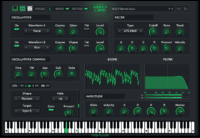
For synthesis, Vital remains one of the smartest free VST instruments to install early. It is visual, modern, and far easier to learn from than many older free synths. You can build basses, leads, pads, plucks, and textures while also learning the logic behind modulation and sound design. It is one of those rare tools that is useful on day one and still relevant much later.
If you want broader variety without spending immediately, Komplete Start is another strong addition to a beginner home studio. It gives you a wider palette of instruments, sounds, and effects, which is useful when you are still discovering whether your instincts pull toward pop, house, lo-fi, cinematic textures, electronic production, or something in between.
This is where a lot of wasted money disappears. Not because paid software is bad, but because beginners often buy premium plugins before they understand what problem those plugins are supposed to solve. Free tools can already teach arrangement, sound design, layering, rhythm, space, and tonal balance. That makes them more than placeholders. In the right hands, they are a full creative starting point.
What You Absolutely Do Not Need First
You do not need a large-format MIDI keyboard if you barely play. You do not need expensive studio monitors in a room that has not been treated. You do not need a premium plugin bundle because a producer on YouTube used it in a video with suspiciously cinematic lighting. You do not need mastering software before you can build a strong arrangement. And you definitely do not need five different reverbs before you know when a sound should remain dry.
The danger of overspending is not only financial. It also dilutes focus. Too much gear too early creates decision fatigue. Too many plugins slow down learning. Too many options encourage avoidance disguised as exploration. Beginners do not need endless possibilities. They need a contained environment that rewards practice.
Build Your Studio in Three Stages
The smartest way to build a first home studio is in phases. Stage one is composition and learning: computer, DAW, headphones, and a few free instruments. Stage two is recording: audio interface, microphone if needed, and a cleaner input chain. Stage three is refinement: monitors, room treatment, better accessories, and selective upgrades based on real workflow bottlenecks.
This approach protects both your budget and your judgment. Instead of buying for a fantasy version of your future self, you buy for the producer you are becoming through actual use. That creates a studio with logic, not clutter. Each new piece of gear earns its place because it answers a frustration you have already experienced.
A Good Beginner Studio Feels Frictionless
This is the real benchmark. A good first home studio is not just about sound quality. It is about momentum. Can you sit down and get from idea to loop quickly? Can you record without twenty setup steps? Can you hear enough detail to make useful decisions? Can you open your session without feeling as if you are entering a cockpit exam?
Great beginner setups are humble. They are not trying to impress the room. They are trying to remove resistance. They make songwriting easier, practice more regular, and learning more sustainable. They give you fewer excuses and better habits, which is a far more valuable gift than another shiny object with a limited-time discount banner.
Spend Less, Learn More, Make Better Music
Your first home studio should not be a monument to ambition. It should be a working creative environment that meets you where you are and grows when your skills do. A reliable computer, one DAW, solid headphones, and a carefully chosen path into recording are enough to begin building real music with real momentum. Add free VST tools that genuinely expand your range, stay suspicious of anything marketed as “must-have,” and let your workflow shape your upgrades.
In the end, the cheapest beginner mistake is buying too little. The most expensive one is buying too much too soon. The sweet spot is building a studio that feels alive, useful, and slightly dangerous in the best possible way: a place where unfinished ideas do not stay unfinished for long.