
Music Production for Beginners: What You Really Need to Start in 2026
Music production still has one of the most misleading entry points in the creative world. Scroll through social media for five minutes and it can look as if making serious music requires a glowing studio desk, a wall of synths, two giant monitors, a rack full of boutique gear, and an alarming relationship with subscription fees. The reality is far less dramatic and far more encouraging. In 2026, getting started in music production is not about buying everything. It is about buying almost nothing, choosing the right tools, and learning how to finish songs before your plugin folder becomes its own genre.
The modern beginner has access to something producers twenty years ago would have considered absurdly generous: powerful computers, affordable DAWs, high-quality headphones, and a growing ecosystem of free VST instruments and effects that can already deliver professional results. That means the real question is no longer Can I start? It is What do I actually need, and what can wait?
The answer is simpler than many gear lists want you to believe. You need a computer that runs your software comfortably, a DAW you can learn deeply, a way to hear your work clearly, and a handful of instruments and effects that help you make music rather than distract you from it. Everything else is optional at the beginning. Useful, sometimes exciting, occasionally irresistible, yes. Essential, not yet.
A reliable computer
Not a spaceship. Just something stable enough to run your DAW, a few plugins, and multiple audio tracks without coughing dramatically.
One DAW
Choose one and learn it well. Speed comes from repetition, not from installing five workstations and panicking artistically.
Good headphones
A decent closed-back or neutral pair will take you further than cheap speakers in a bad room.
A small plugin toolkit
A few well-chosen free VSTs are enough to write drums, bass, melodies, atmospheres, and early mixes.
The First Myth to Kill: You Do Not Need an Expensive Studio
Beginners often spend too much too early because they are trying to solve a problem they do not yet have. They buy a premium microphone before they have recorded a full demo. They purchase advanced mastering plugins before they understand gain staging. They collect virtual synths before learning how ADSR envelopes work. It feels productive because money has moved and icons have multiplied, but it rarely leads to better music.
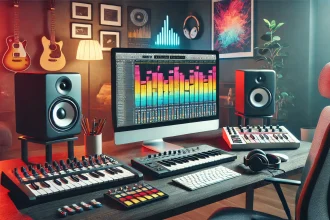
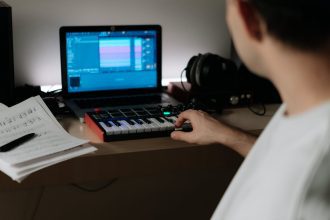
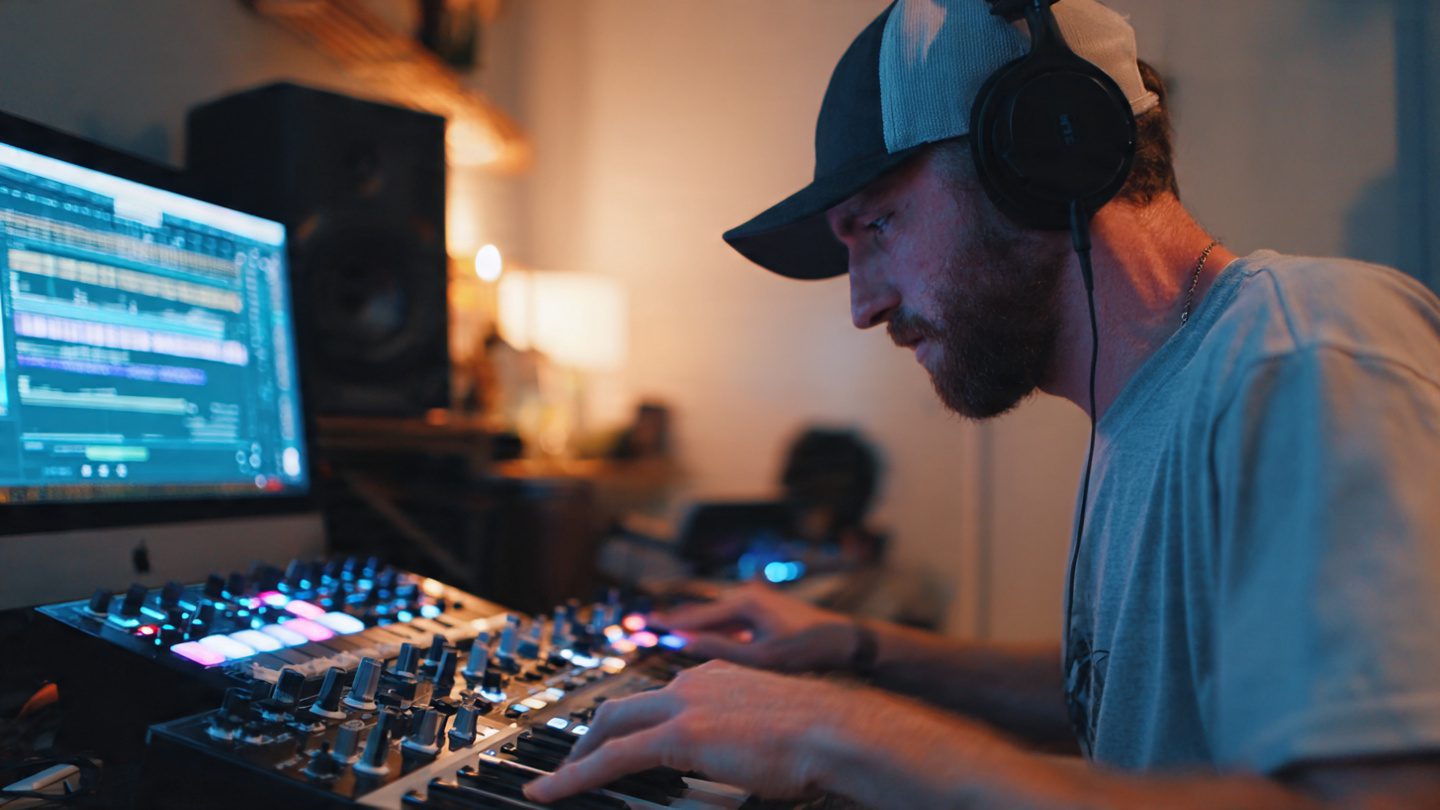
A beginner setup should help you do three things well: capture ideas quickly, arrange them into complete songs, and hear enough detail to make solid decisions. If your system can do that, you are not “starting small.” You are starting correctly. Plenty of strong tracks begin in bedrooms, on laptops, with one pair of headphones and a stubborn loop that refuses to stay unfinished.
What You Actually Need on Day One
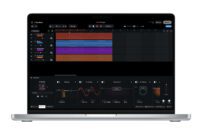
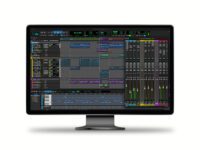
Your computer is the engine room, but your DAW is the real center of the operation. For beginners, the best DAW is not the one crowned by internet arguments. It is the one you will open consistently enough to build instinct. Whether you choose Studio One, Ableton Live, FL Studio, Logic Pro, Reaper, or another serious platform, the goal is not prestige. The goal is fluency. Once you know where your sounds, tracks, buses, automation, and exports live, creativity stops tripping over the interface.
The second purchase that matters is monitoring. If your room is untreated, good headphones are often the smartest first move. They are cheaper than speakers plus acoustic treatment, easier to trust in the early stages, and more practical for people working at home. Studio monitors are useful later, but they are not mandatory to begin. The same logic applies to an audio interface. If you are not recording microphones, guitars, or vocals immediately, you can start with your computer and your DAW. An interface becomes essential when recording enters the picture or when you want more reliable audio performance and connectivity.
A MIDI keyboard can help, especially if you write melodies by feel rather than by mouse, but even that is optional. Many beginners create complete tracks with a laptop keyboard, piano roll editing, and patience. In music production, workflow matters more than appearances. The room does not need to look impressive. The session only needs to move.
The Skills That Matter More Than Shopping
Before worrying about high-end plugin chains, learn how to build a loop that stays interesting for more than eight bars. Learn how kick and bass share space. Learn how arrangement changes emotion. Learn how volume alone can fix problems people try to solve with three plugins and a small identity crisis. Most beginner mixes do not fail because the tools are weak. They fail because the song structure is unclear, the low end is fighting, or too many sounds are competing for attention.
That is why the smartest beginner setup is not the biggest one. It is the one that forces useful habits. Fewer instruments, fewer effects, fewer choices, more finished work. A limited toolkit teaches contrast, balance, rhythm, and intention. A giant library teaches scrolling.
The Free VST Stack That Makes Sense in 2026
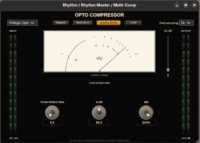
Free VSTs are no longer just placeholders until you can afford the “real” thing. Some of them are genuinely powerful creative tools, and for a beginner, they can cover far more ground than expected. The ideal starter stack includes one flexible synth, one source of organic or cinematic textures, one broader bundle of instruments and effects, and one deeper sound design option you can grow into.
Vital: the free synth that teaches you while you use it
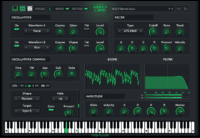
If you want one free synth that can carry a beginner through basses, leads, pads, plucks, and sound design basics, Vital is an easy recommendation. Its interface is visual, modern, and surprisingly friendly for learning the logic of synthesis. You can see modulation happening, understand movement more quickly, and build sounds that feel contemporary without buying into a premium ecosystem on day one.
LABS: instant emotion without technical overload
Beginners often focus on drums and synths first, then realize their tracks still need texture, atmosphere, and human feeling. That is where LABS earns its place. It gives you access to beautifully recorded instruments and playable textures that can make a simple chord progression feel cinematic, intimate, or haunting within seconds. It is especially useful for producers working in lo-fi, ambient, pop, indie, chill, or soundtrack-inspired music.
Komplete Start: breadth for the curious beginner
For newcomers who want variety fast, Komplete Start is a strong starting point. It is less about one superstar plugin and more about range. You get instruments, sounds, and effects that help you experiment with different genres before you know exactly where your style will land. For a beginner, that flexibility matters. It lets curiosity lead without forcing an early commitment to one narrow sound palette.
Surge XT: the free powerhouse for deeper exploration
Once you feel ready to go beyond the most intuitive beginner tools, Surge XT becomes a brilliant next step. It is deeper, broader, and a little less cuddly at first glance, but that is precisely why it grows with you. It can move from beginner curiosity to serious sound design without asking for your credit card every ten minutes. It is the kind of plugin that quietly tells you, “Yes, you can get weird now.”
How to Build a Beginner Workflow That Actually Finishes Tracks
The fastest way to feel like music production is “too hard” is to start with mixing before you have a song. Write first. Shape later. Begin with rhythm, then establish the bass movement, add harmony, and only after that look for the lead sound or vocal concept that gives the track identity. Once the skeleton exists, arrangement becomes a storytelling exercise rather than a random plugin audition.
Work in stages. Spend one session creating ideas. Spend another turning the best one into a full structure. Use a third to clean the arrangement and remove weak parts. Only then move into a rough mix. This sequencing matters because beginners often try to write, sound design, mix, master, compare, doubt, and emotionally collapse all in the same afternoon. Separate the jobs and the music gets better almost immediately.
Another important habit is reference listening. Pick one or two tracks you admire in a similar style and compare energy, low-end balance, brightness, vocal placement, and arrangement movement. Not to copy, but to calibrate. Reference tracks protect beginners from getting lost inside their own session for so long that every bad decision starts sounding philosophical.
What You Can Skip at the Beginning
You can skip expensive mastering chains. You can skip large plugin bundles you do not understand. You can skip room treatment panic if you are working mainly on headphones. You can skip ten different reverbs and twelve different saturators. You can skip the idea that every track needs to sound commercially finished during your first months of learning. Early on, the priority is not polish. It is repetition, taste, and decision-making.
There is also no need to chase gear because someone online called it “industry standard.” The industry standard is whatever helps skilled people work quickly and confidently. Beginners do not need prestige tools. They need tools that encourage momentum. That is a very different shopping list.
When It Is Time to Upgrade
Upgrades make sense when your limitations become specific rather than imaginary. If your computer struggles under normal sessions, that is real. If your headphones hide too much low end, that is real. If you are recording vocals regularly and your setup is noisy or inconvenient, that is real. But if you simply feel the vague itch that buying something might turn you into a better producer by evening, that is usually plugin marketing wearing a very convincing jacket.
A strong first upgrade is often not another instrument. It is better monitoring, a solid audio interface, or a workflow tool that saves time every week. The glamorous purchase is not always the smartest one. Music production has a habit of rewarding boring decisions with surprisingly musical outcomes.
Start Lean, Learn Fast, Finish More
The best way to start music production in 2026 is also the least flashy: keep your setup lean, choose tools that teach you something, and make finishing tracks the central habit from the beginning. A computer, one DAW, trustworthy headphones, and a handful of free VSTs can already take you much further than most beginners expect. The quality gap between “entry level” and “usable” has narrowed dramatically. The gap between unfinished ideas and completed music, however, still depends almost entirely on discipline.
So start with less. Learn your DAW deeply. Download a few free tools that genuinely expand your sound. Write badly, then better, then better again. The studio can grow later. Right now, what you really need is not a luxury setup. It is a working setup and the nerve to use it often.