
A breakout moment can feel like a miracle when it arrives. One clip catches. One song suddenly escapes its usual orbit. Shares multiply, comments accelerate, streams rise, profile visits spike, and for a brief stretch of time, everything looks electrified. It is the kind of moment artists dream about, chase, and sometimes quietly beg the algorithmic gods to deliver while pretending they are above such things. Then comes the harder part.
Because virality is not a career plan. It is an opening. Sometimes a dramatic one, sometimes a confusing one, sometimes both at once. What matters next is not whether the artist can enjoy the spike, though they should. What matters is whether the artist knows how to catch it before it dissolves into the digital atmosphere like confetti after a party nobody bothered to clean up.
This is where most campaigns stumble. They treat the breakout itself as the victory, when in reality the real strategic work begins in the days immediately after. Attention has arrived. New listeners are looking. Existing listeners are suddenly more active. Curiosity is no longer theoretical. It is happening. The question is whether the artist’s world is ready to receive it.
The ten days after a breakout moment are often more important than the breakout itself. That window determines whether the spike becomes memory, whether memory becomes repeat behavior, and whether repeat behavior becomes the beginning of something durable. Artists do not need to control the viral moment perfectly. They need to respond to it intelligently.
Virality is acceleration, not stability
The first thing artists have to understand is that a viral moment changes speed, not structure. It can accelerate discovery at an extraordinary rate, but it does not automatically create a stronger foundation underneath the work. A song can explode while the profile is underprepared. A clip can circulate while the catalog remains poorly framed. A wave of interest can arrive before the artist has decided what new listeners are supposed to do next.
This is why post-viral strategy matters so much. Virality gives the artist a burst of visibility, but visibility is fragile. It often arrives without loyalty. It is full of noise, but not always full of retention. A campaign may look huge for three days and still leave very little behind if the artist fails to build pathways from first exposure to deeper engagement.
That does not mean artists should panic the moment something takes off. It means they should stop thinking like spectators and start thinking like hosts. The crowd is suddenly at the door. The question is not whether the moment is exciting. The question is whether there is anywhere meaningful for that energy to go.
Day 1: Do not disappear into celebration
When something breaks out, the natural reaction is emotional. Relief, disbelief, excitement, maybe a little righteous satisfaction after months or years of pushing music uphill in public. All of that is human, and all of it is fair. But artists cannot afford to disappear into celebration mode while the moment is still unfolding.
Day 1 is about clarity. What exactly is taking off? Is it one clip, one lyric, one performance fragment, one section of the chorus, one audience reaction, one mood, one visual, one story angle? Breakout moments rarely spread as entire artistic statements. They spread through one strong access point. The artist needs to identify that access point quickly, because it will shape everything that follows.
The worst possible move is to respond with generic gratitude and no strategic adjustment. “Thanks for the support” may be nice, but it does nothing to guide the new attention. The breakout has told you what people are responding to. The job now is to learn from it while the signal is still hot.
Day 2: Clean the front door
Once attention surges, the artist profile becomes one of the most important places in the campaign. New listeners will look for confirmation. They want to know if this is a real artist, whether the breakout song is part of something bigger, and whether the page they landed on feels alive or neglected. That means the profile cannot remain in pre-viral condition.
The current release needs to be visible. The image needs to feel current. The bio needs to sound like a living artist, not an abandoned press note from a previous era. The profile should guide attention instead of scattering it. If the breakout is happening around one song, that song must sit inside a coherent world. The listener should feel that following the viral moment leads somewhere deeper, not somewhere emptier.
This is the day to eliminate friction. A weak profile can waste more opportunity than a weak post. People arrive curious. The page either turns that curiosity into belief or quietly lets it fade.
Day 3: Give the audience a second angle, not the same clip forever
One of the most common mistakes after a breakout moment is overexposure through repetition. The artist sees one clip working and posts the exact same energy again and again, until the whole campaign begins to feel like a karaoke machine trapped in a feedback loop. Repetition matters, but flat repetition kills momentum.
Day 3 should introduce a second angle on the same success. If the original clip was emotional, the next one can be human. If the original was a performance moment, the next can be a story behind the line. If the original was a beat drop, the next can frame what makes that section work. The goal is to deepen recognition without exhausting the same device.
This is how artists begin turning virality into narrative. The audience first arrived through one striking door. Now they need to see that there is more inside the house than one photogenic hallway.
Day 4: Translate attention into identity
A breakout moment often makes one thing clear and everything else blurry. The audience knows the clip. They know the song fragment. They know the feeling. But they may still know almost nothing about the artist. That gap must be closed quickly, because attention without identity rarely holds for long.
Day 4 is a good moment to show who the artist is without turning the feed into a biography lecture. Identity can be communicated through tone, through a direct address, through a behind-the-scenes moment, through a performance style, through visual consistency, or through one short piece of context that makes the artist feel recognizable. The point is not to explain everything. It is to become legible.
People can love a viral moment and still forget who created it if the artist does not step forward clearly enough. The artist has to become more memorable than the algorithmic event around them.
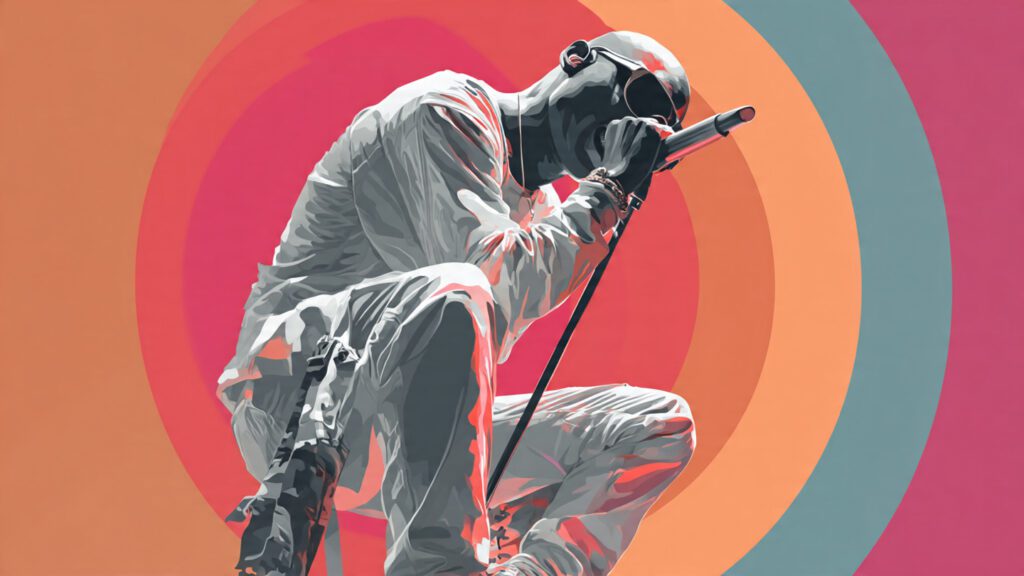
Day 5: Push listeners beyond the hit fragment
At this stage, the audience has seen the breakout entry point more than once. Now the campaign must gently encourage a deeper interaction. This is where many artists become either too passive or too aggressive. They either assume people will naturally explore the catalog on their own, or they start shouting directions like traffic police with a merchandising problem.
The better approach is guided expansion. Show another strong section of the song. Connect the viral fragment to the full emotional arc. Highlight a related track that complements the breakout moment. Offer a live version, a stripped version, or a context clip that rewards people for going further. Let the audience feel that the viral moment was not the whole story, only the beginning of it.
The essential job here is to move people from reaction to exploration. A breakout moment is strongest when it becomes the door to a wider artistic world.
Day 6: Use social proof without looking desperate
By now, reactions have likely started piling up. Comments, shares, reposts, audience videos, press mentions, playlist adds, messages, maybe even a few opinions so intense they read like courtroom testimony. This is useful material, but it has to be handled with taste.
Social proof matters because it tells new listeners that the moment is real, not imagined. It gives the breakout warmth. It shows that the track is not only performing in a dashboard, but living in public. That said, there is a fine line between acknowledging response and building a shrine to your own metrics.
The strongest use of social proof is selective and human. Highlight the reactions that reveal connection, not just scale. Show how the song is landing. Show what people are hearing in it. Show that the track is beginning to mean something to real listeners. This makes the moment feel cultural rather than merely statistical.
Day 7: Reinforce the artist’s world
Virality introduces the audience to one point of impact. Longevity depends on whether that point of impact belongs to a recognizable world. Day 7 should strengthen that world. What kind of artist is this beyond the breakout? What kind of atmosphere surrounds the music? What kind of tone, visual language, or emotional signature makes the artist identifiable from one release to the next?
This can happen through visuals, through a new short-form concept, through a direct message to the audience, through catalog framing, through a playlist, through a mini-series, or through content that makes the artist’s universe easier to understand. The point is not to interrupt the breakout with unrelated self-branding. The point is to show that the breakout belongs to something coherent.
The audience should begin to feel that following the artist leads to more than one successful moment. It leads to a distinct artistic place.
Day 8: Create a reason to follow, not just to replay
This is one of the most neglected stages in the post-viral window. Artists often assume that if people like the song, they will naturally follow the account or keep watching future releases. That assumption is far more optimistic than reality usually allows. Enjoying one clip is not the same as committing to the artist’s ongoing presence.
Day 8 is a strong moment to make the future feel worth staying for. That does not mean an awkward demand for follows wrapped in desperation. It means showing that there is continuity ahead. Another release. A larger project. A series. A visual extension. A live plan. A broader world still unfolding. People follow when they sense there is more to come and that it will be worth their attention.
The question is not merely, “Did they like this?” It is, “Why should they stay?” Good post-viral strategy answers that before the breakout energy starts cooling.
Day 9: Reframe the moment before it starts declining
No breakout lasts at peak intensity forever. Even the strongest ones begin to level off. Smart artists do not wait for the decline to become obvious before shifting strategy. Day 9 is often the right moment to reframe the narrative while interest is still healthy.
This may mean moving from excitement to reflection, from hype to meaning, from virality to artistry. The campaign can ask a more mature question now: what has this song opened up? What have people connected to? What does this moment reveal about the artist’s direction? What part of the breakout is worth carrying forward when the feed inevitably starts hunting its next shiny object?
Reframing matters because it prevents the artist from becoming trapped inside one accidental success. It helps turn the breakout into a chapter rather than a cage.
Day 10: Build the bridge to the next move
The final day in this critical window should not feel like the end of the party. It should feel like the end of the introduction. The artist now has a rare opportunity to guide the audience toward what comes next without sounding opportunistic. That could mean a deeper push into the catalog, a follow-up content series, a live performance idea, a remix, an acoustic version, a newsletter signup, a playlist, or a clear connection to the next release phase.
The exact next move depends on the artist’s ecosystem, but the principle remains the same. Do not let the viral moment close on itself. Extend it into the next meaningful action. The audience should not feel pushed into a sales funnel. They should feel that the story is continuing.
This is the difference between harvesting a spike and building from it. A breakout moment has already done the work of opening attention. Day 10 is where the artist decides whether that attention will remain trapped in the memory of one clip or begin feeding a larger career arc.
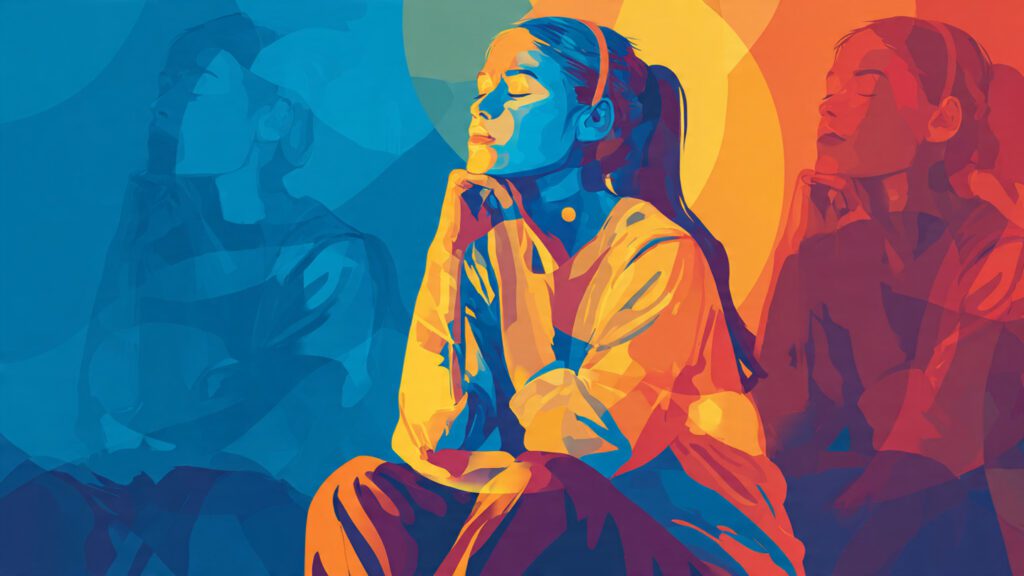
Why artists fail after virality
Most post-viral failure comes from one of three mistakes. The first is passivity. The artist celebrates the moment but fails to shape it. The second is panic. The artist floods the audience with random posts, random calls to action, random ideas, hoping quantity will keep the wave alive. The third is misreading what actually worked. They copy the surface of the viral moment without understanding the deeper reason it resonated.
All three mistakes have the same effect: they confuse motion with momentum. Motion is easy. There is a lot happening. Momentum is harder. It means the energy is going somewhere useful.
Artists do not need perfect strategy to survive a breakout. They need enough discipline to avoid turning a meaningful opportunity into a noisy blur.
The goal is not to stay viral forever
This may be the most important mindset shift of all. The purpose of post-viral strategy is not to remain in a permanent state of explosion. That is neither realistic nor healthy, and in any case the internet always prefers a fresh drama by tomorrow morning. The goal is not endless virality. The goal is conversion.
Can the artist turn attention into streams that last longer than the trend cycle? Can they turn profile visits into follows? Can they turn one successful track into wider catalog discovery? Can they turn a moment of curiosity into a recognizable artistic identity? Can they give new listeners a reason to return when the noise around the breakout fades?
Those are the questions that matter. Because the artists who build real careers are rarely the ones who only know how to explode. They are the ones who know how to receive the explosion, shape the aftermath, and quietly turn heat into structure.
What the breakout really gives you
A breakout moment gives an artist something incredibly valuable, but often misunderstood: proof of interest. Not a guarantee of future success, not a permanent pass into relevance, not a contract with the algorithm signed in glowing mystical ink. Proof. Proof that something connected. Proof that a door opened. Proof that the music, the artist, or the way they framed the work struck a nerve wide enough to matter.
That proof should be studied, respected, and built on. The ten days after a breakout are not about squeezing every last drop from a lucky spike. They are about learning what the moment revealed and using it to create stronger pathways for the future.
Virality may start the fire, but what comes next determines whether it becomes warmth, light, or just smoke. In 2026, artists cannot afford to confuse those things. The breakout is not the career. It is the invitation. The strategy after it is what decides whether anyone stays.