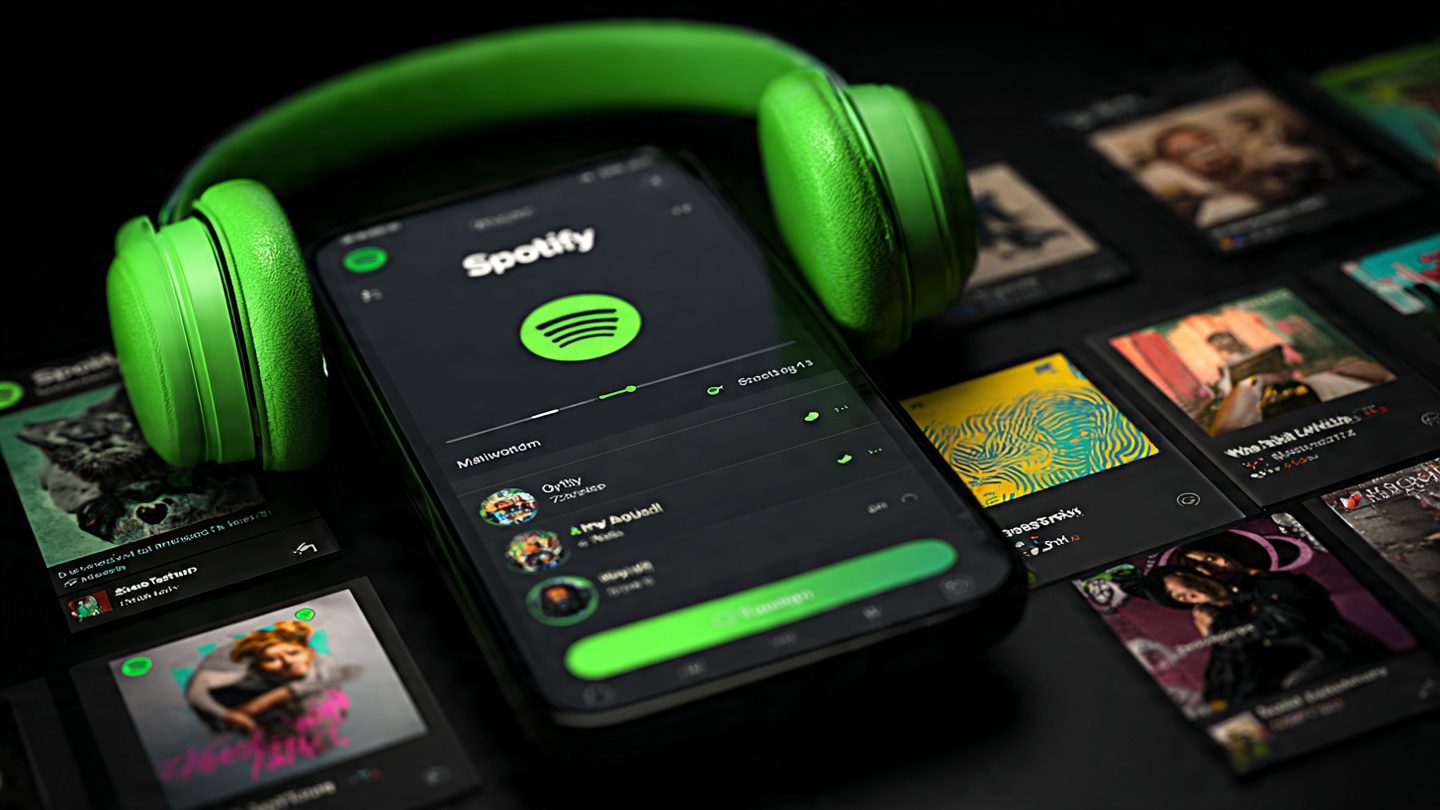

That shift matters because music discovery has changed. Fans no longer discover artists only through playlists. They discover them through friends, short videos, group chats, creator communities, and algorithmic recommendations that often feel personal enough to be intimate. Spotify knows this. Its recent updates suggest that the platform wants to bring more of that social behavior back inside its own ecosystem.
From Listening Alone to Listening Together
With features such as Listening Activity and Request to Jam, Spotify is pushing listening into a more visible, social experience. The idea is simple, but powerful: your music taste becomes something your friends can see, react to, and join in real time. Streaming is no longer just about pressing play. It is about being seen through what you play.
This is important for artists because social listening changes the value of a track. A song that travels between friends can generate discovery that feels more natural than an algorithmic push. In a crowded market, that kind of peer-to-peer signal may become increasingly valuable. A track shared in a private message can sometimes carry more weight than a playlist placement surrounded by thousands of other songs.
Verification Becomes a New Form of Artist Currency
Spotify’s Verified by Spotify badge adds another layer to this strategy. The platform is not only helping users find music, it is also helping them understand who is behind it. In a streaming economy increasingly crowded with anonymous uploads, artificial personas, fake profiles, catalog spam, and recycled content, verification becomes a trust signal.
For independent artists, this is both an opportunity and a warning. The opportunity is clear: a strong artist identity can now become part of platform visibility. The warning is just as clear: artists who treat streaming as a place to dump tracks without context, branding, social presence, or fan engagement may become harder to read by the system.
The New Spotify Strategy Is Bigger Than Playlists
For years, many independent artists treated Spotify promotion as a playlist race. Submit, wait, hope, repeat. That model is not dead, but it is no longer enough. Spotify is building around identity, engagement, social behavior, and artist authenticity. The modern artist profile must look alive.
That means linked social accounts, consistent visuals, clean metadata, an active release strategy, visible fan activity, and a narrative that gives listeners a reason to care. The song still matters most, but the platform now reads the world around the song too.
What Independent Artists Should Understand
The future of Spotify will likely reward artists who build recognizable worlds, not just isolated tracks. A single can still break through, but a consistent identity gives the algorithm, the platform, and the listener something to hold onto. In practical terms, Spotify is turning the artist profile into a credibility page.
The old question was: can this song get streams? The new question is more demanding: does this artist look real, active, relevant, and worth following?
That is where the next streaming battle begins. Spotify is not only competing for listeners anymore. It is competing to become the place where musical identity is created, verified, shared, and remembered.