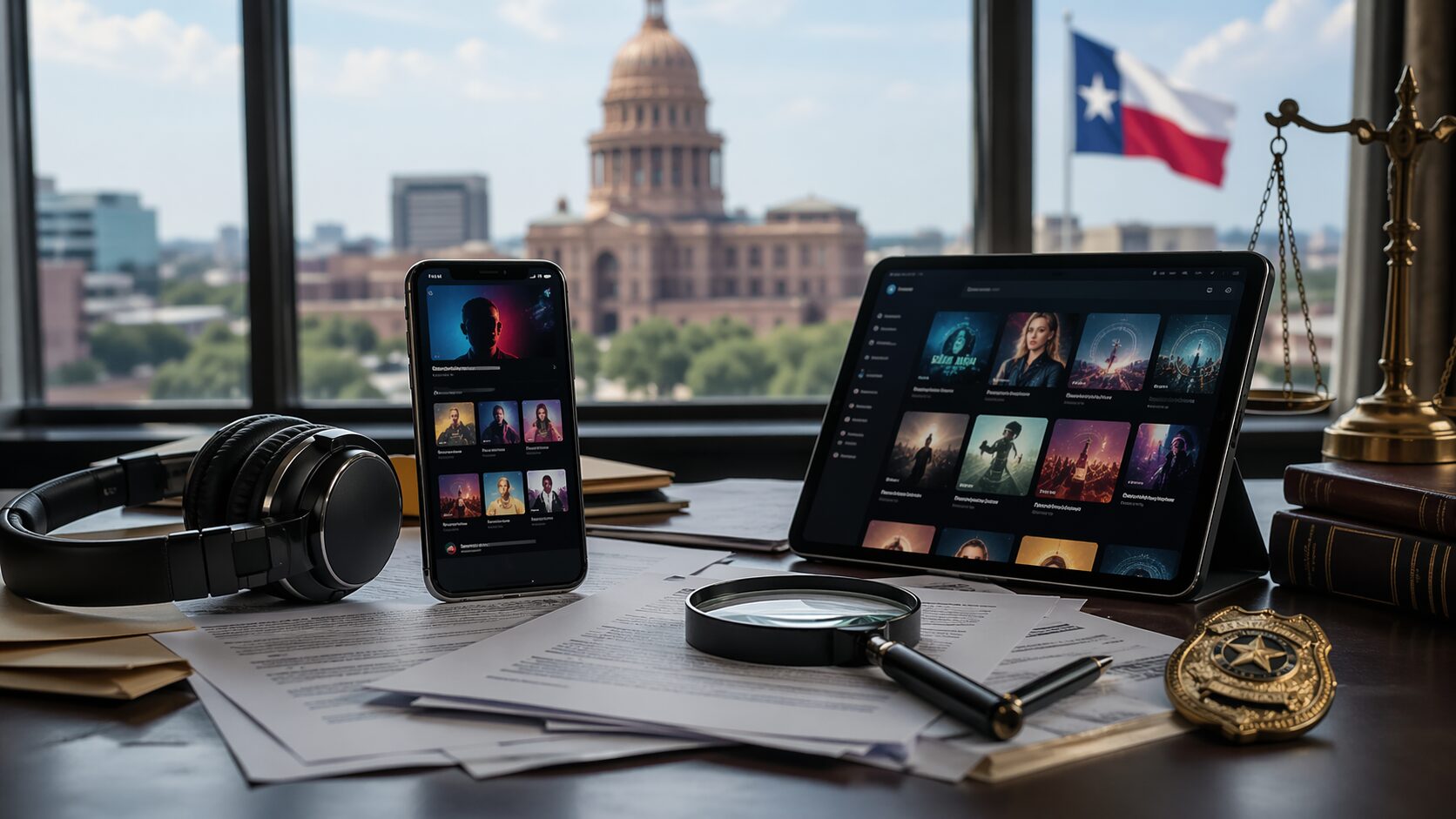

The most important music streaming story right now is not a product launch, a price change, or a new discovery feature. It is an investigation. On April 22, Texas Attorney General Ken Paxton announced a probe into Spotify, Apple Music, Pandora, Amazon Music, and YouTube Music over alleged undisclosed financial arrangements that may have influenced playlist placement, recommendation rankings, and content visibility. Civil Investigative Demands have already been issued. That detail alone shifts the conversation from rumor to formal scrutiny, and it does so at the precise point where streaming platforms have become the gatekeepers of modern music discovery.
At the center of the matter is an old industry fear wearing new clothes. The language may be digital, the interfaces may be sleek, and the mechanisms may now live inside algorithms rather than radio booths, but the underlying concern is deeply familiar: are some songs, artists, or releases being pushed higher because money changed hands without listeners being clearly told? If that question sounds uncomfortable, it should. Streaming has spent years presenting itself as a cleaner, smarter, data-driven alternative to older systems of music promotion. This investigation challenges that image at its foundation.
Why This Investigation Hits a Nerve
For years, streaming platforms have positioned recommendation systems as a blend of editorial judgment, user behavior, personalization, and machine intelligence. That framework helped sell a powerful idea to listeners: what rises is what fits, what performs, or what deserves attention. The Texas investigation places that assumption under pressure. If commercially influenced visibility was not properly disclosed, then the issue is bigger than a technicality. It becomes a question of trust.
That trust matters because playlists and recommendation surfaces are no longer minor product features. They are the architecture of visibility. For a new artist, placement can create momentum. For a label, it can shape campaign performance. For listeners, it defines what feels current, relevant, and worth pressing play on. When those channels are perceived as neutral, the system looks merit-based. When they appear influenced by undisclosed deals, the entire experience starts to look less like discovery and more like disguised promotion.
The Real Story Is About Discovery, Not Just Disclosure
It would be easy to reduce this story to a legal dispute over disclosure language, but that would miss the larger significance. The real issue is how music becomes visible in a market saturated with content. Every major platform now manages a gigantic ocean of songs, albums, clips, and recommendations. In theory, curation helps listeners navigate that abundance. In practice, curation is power. It decides what gets heard, what gets skipped, what gets saved, and what never even enters the room.
That is why any allegation of pay-for-promotion inside streaming systems carries far more weight than an ordinary policy dispute. This is not only about whether money influenced placement. It is about whether the industry’s most powerful discovery engines have been fully honest about the forces shaping their outputs. If listeners are told they are seeing the best fit while hidden commercial considerations are helping determine that fit, then the promise of algorithmic neutrality starts to fray very quickly.
A Digital Echo of an Old Music Industry Problem
The language used by Texas is unmistakable. The investigation describes the concern as a potential modern payola scheme, explicitly tying today’s streaming ecosystem to a much older form of promotional abuse in music. That historical echo matters. Payola was never just about money changing hands. It was about influence disguised as organic popularity. It was about presenting sponsored exposure as genuine demand. The technology has evolved dramatically since those earlier scandals, but the ethical pressure point remains almost identical.
What has changed is scale. In the radio era, influence flowed through a smaller number of broadcast choke points. In the streaming era, influence can be embedded into editorial playlists, autoplay queues, smart recommendations, algorithmic radios, mood-based surfaces, homepages, artist pages, and search visibility. That means the consequences of undisclosed promotional favoritism may be even broader now than they were in previous generations of music media. The mechanism is quieter, but the reach is enormous.
Why Artists Have Every Reason to Watch Closely
For artists, especially independents, this story lands at the most vulnerable point in the modern release cycle: exposure. Most artists do not fail because they cannot upload music. They fail because they cannot cut through the fog. Streaming promised to democratize distribution, and in one sense it did. Anyone can release. But visibility has remained scarce, and scarcity is where power concentrates. If commercial relationships are quietly shaping who rises inside platform ecosystems, then the playing field may be even less level than many artists already suspected.
That does not mean the allegations are proven. It does mean the investigation touches a deep frustration that many musicians, managers, and smaller labels have been feeling for years. When discovery feels opaque, every placement looks suspicious. Every unexplained breakout sparks questions. Every algorithmic boost starts to resemble a closed-door decision dressed in user-friendly language. The Texas probe puts institutional weight behind those anxieties, and that alone makes it significant.
What This Could Mean for Spotify, Apple Music, Pandora, Amazon Music, and YouTube Music
Each platform named in the investigation now faces a version of the same problem, even if their business models and music strategies differ. They are being pulled into a public conversation about whether streaming recommendation systems are as transparent as users have been led to believe. That is a sensitive place for any platform to be, because discovery is not a side feature. It is central to retention, differentiation, and revenue. If users stop believing in the integrity of recommendations, the product itself begins to lose part of its identity.
This is also why the story has implications beyond Texas. Even if the legal process remains state-based for now, the broader cultural impact can spread much further. Regulatory attention tends to travel when it attaches itself to a familiar public concern. So do questions from lawmakers, artists, advocacy groups, and investors. Once the idea of undisclosed promotion inside streaming systems moves from industry whisper to official investigation, the subject becomes harder to keep in the background.
The Industry Is Entering a Transparency Stress Test
What makes this moment so consequential is that it arrives during a broader identity shift for streaming platforms. These companies are no longer just vast music libraries. They are editors, curators, ranking systems, trend accelerators, and increasingly powerful intermediaries between artist ambition and listener attention. That makes transparency more than a public-relations value. It becomes a structural necessity.
The Texas investigation is, in effect, a stress test for that necessity. It forces the industry to confront a simple but uncomfortable question: when a song appears in front of a listener, what exactly put it there? Taste? Behavior? Relevance? Editorial judgment? Paid influence? A blend of all four? The future of streaming credibility may depend less on whether platforms can curate brilliantly than on whether they can explain that curation honestly.
This Is About More Than One News Cycle
The most important point to remember is that an investigation is not a verdict. No findings of wrongdoing have been announced. But even at this stage, the story matters because it sharpens a debate the industry can no longer avoid. Streaming won by promising convenience, scale, and personalization. Now it faces pressure to prove that its most influential systems are also fair, legible, and worthy of public trust.
That is why this story feels bigger than a typical platform controversy. It is not just about five major services being named in a legal probe. It is about whether the modern music economy can continue asking artists to trust the process and listeners to trust the recommendations without showing more clearly how those systems actually work. In the months ahead, the outcome of this investigation may matter less for the headlines it generates than for the questions it forces the entire streaming business to answer.