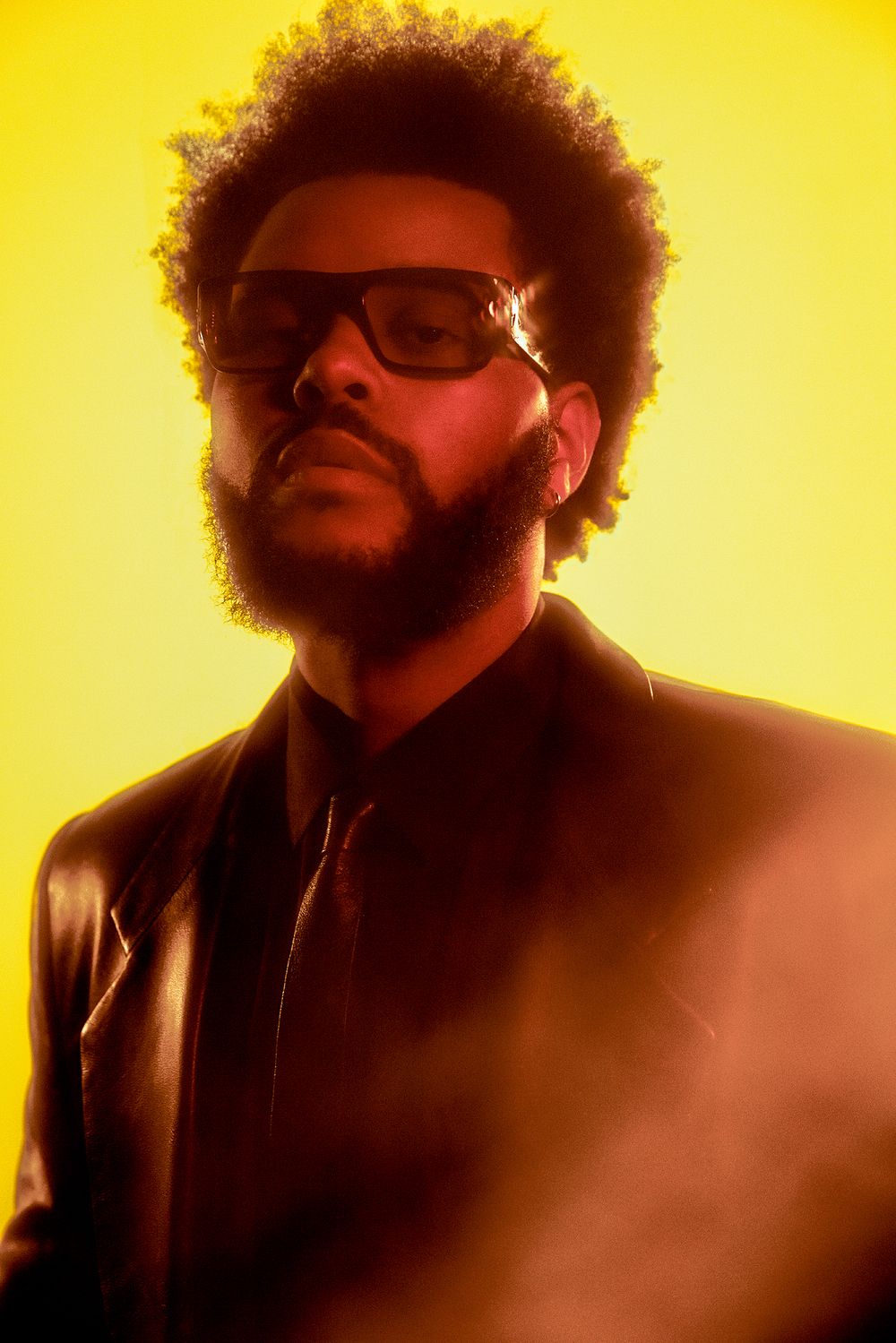

The Weeknd: The Dark Pop Visionary Who Turned R&B Into Cinema
His music lives between the nightclub and the confession booth. It is seductive, cinematic, and often uncomfortable in the best possible way. The Weeknd built a world where synth-pop, alternative R&B, electronic production, soul, hip-hop, and stadium pop could collide without losing emotional tension. That balance is why his work still matters today.
This video captures the scale of his transformation, from underground mystique to global pop architecture.
The Weeknd Biography: From Toronto Mystery to Global Icon
The story of The Weeknd begins in Toronto, where Abel Tesfaye shaped an identity that felt both intimate and unreachable. In the early 2010s, he uploaded music anonymously, letting the songs speak before the image did. That decision created one of the most powerful introductions in modern music culture.
Instead of presenting himself through interviews, polished photos, or industry machinery, The Weeknd built his first mythology through sound. The early mixtapes, especially House of Balloons, Thursday, and Echoes of Silence, felt like secret documents from a city after midnight. The production was spacious, druggy, cold, and beautiful. The writing was raw, but never careless.
What made The Weeknd different was not only the darkness. Many artists had sung about excess before him. His originality came from the way he made that excess sound expensive, lonely, and strangely graceful. His falsetto gave the music elegance, while the lyrics kept dragging it back into emotional danger.
The rise was fast, but it did not feel manufactured. His connection with the wider Toronto scene, his early cult following, and the impact of the mixtape era helped him become a rare artist who moved from internet mystery to arena status without losing the core of his identity.
This clip shows the moment where the underground darkness became mainstream tension without being softened too much for radio.
The Weeknd’s Musical Universe: Nightlife, Soul, Synths, and Emotional Damage
The Weeknd’s sound is instantly recognizable because it is built on contrast. His voice can glide with the softness of classic soul, yet the world around it often feels metallic, paranoid, and cinematic. That tension has become his signature.
At the center of his music is the falsetto. It gives The Weeknd a strange kind of innocence, even when the lyrics are full of temptation, regret, fame, or self-destruction. His delivery often feels smooth on the surface, but the emotion underneath is unstable. That is where the electricity lives.
Production has always played a major role in his identity. The early records leaned into alternative R&B, ambient textures, and shadowy drum programming. Later, he expanded toward pop grandeur, disco pulse, synthwave, and electronic maximalism. Yet the mood stayed coherent. Even when the choruses became enormous, the emotional temperature remained late-night.
His influences can be heard across eras. There are traces of Michael Jackson in the vocal phrasing, Prince in the sensual tension, 1980s synth-pop in the textures, and modern hip-hop in the rhythmic architecture. Still, The Weeknd never sounds like a museum of references. He turns influence into atmosphere.
A Pop Voice With a Cinematic Instinct
Many pop artists create singles. The Weeknd creates eras. Each project comes with a visual code, a mood, a wardrobe, a city, a character, and a sense of danger. That is why his best songs often feel bigger than radio hits. They feel like scenes from a film you walked into halfway through, with the lights low and the ending already doomed.
This performance of pop seduction shows how he can make a massive hook feel both glamorous and haunted.
The Weeknd Discography: A Career Built Like a Descent Into the Lights
The Weeknd discography is not a simple sequence of releases. It is a long transformation, from anonymous confession to global mythology. His early mixtapes established the emotional vocabulary. They were cold, sensual, wounded, and immersive. House of Balloons remains a landmark because it changed the atmosphere of R&B. It made the genre feel darker, slower, more psychological, and more cinematic.
Trilogy gathered that first era and gave it a formal shape. It was not only a compilation. It became the foundation of The Weeknd’s artistic identity. The project showed that his world was already fully formed before the mainstream arrived at the door.
Kiss Land pushed the vision into a colder, more alien direction. It was ambitious, strange, and cinematic, with a sense of isolation that matched the experience of sudden fame. While it did not behave like a traditional pop breakthrough, it remains essential because it revealed his appetite for world-building.
Then came Beauty Behind the Madness, the album that turned The Weeknd into a dominant pop figure. Songs such as Can’t Feel My Face and The Hills proved that he could move through radio, clubs, and culture without abandoning the tension that made him distinctive.
Starboy expanded the architecture again. With Daft Punk involved in the title track, The Weeknd stepped fully into futuristic pop luxury. The album sharpened his relationship with fame, fashion, nightlife, and celebrity identity. It also showed how comfortable he had become inside a larger sound.
This video marks one of the clearest moments where The Weeknd turned fame itself into sound, image, and attitude.
My Dear Melancholy, brought the pain back into close focus. It was shorter, sharper, and emotionally direct. After the glossy scale of Starboy, this project reminded listeners that The Weeknd’s strongest weapon was still intimacy.
After Hours became one of his defining statements. It merged synthwave, heartbreak, paranoia, and pop precision into a complete universe. Blinding Lights was more than a hit. It was a rare cultural event, a song that sounded nostalgic and modern at the same time. The red suit, the bruised face, the Las Vegas imagery, and the endless night became part of the music itself.
Dawn FM took the concept even further. Built like a radio transmission between life, memory, and the afterlife, it showed The Weeknd at his most conceptually disciplined. The album moved with elegance, using dance-pop and synth textures to explore regret, transition, and emotional purgatory.
Hurry Up Tomorrow extended that trilogy and gave the recent era a sense of closure. It connected the grandeur of his stadium years with the psychological themes that have followed him since the beginning. Rather than simply chasing hits, The Weeknd used this chapter to question the identity he had built.
Visual Identity and Stage Presence: The Weeknd as Character and Director
The Weeknd understands image as deeply as sound. His videos are not decorative extras. They are part of the narrative. From the red-suited chaos of After Hours to the polished unease of Save Your Tears, he uses visuals to complicate the music rather than simply promote it.
His public image often works through masks, transformations, and emotional distance. He can look glamorous, wounded, artificial, or ghostly depending on the era. This makes his career feel closer to cinema than traditional pop branding.
On stage, that same visual discipline becomes scale. The Weeknd’s live universe is built for massive spaces, but it still carries the mood of a private confession. The lights are huge, the choruses are built for stadiums, yet the emotional center remains lonely. That contradiction is his kingdom.
This video matters because it turns pop performance into theater, with beauty, discomfort, and satire sharing the same frame.
What The Weeknd Brought to Music
The Weeknd changed the emotional grammar of mainstream R&B and pop. Before his breakthrough, the darker side of R&B existed, but he brought it into a new digital age with a sharper sense of atmosphere, branding, and cinematic continuity.
He helped make vulnerability sound dangerous again. He also helped shift mainstream pop toward mood-driven storytelling. His success showed that an artist could be mysterious, conceptual, visually ambitious, and commercially massive at the same time.
His influence can be heard in the rise of darker R&B textures, nocturnal pop production, and artists who treat every release as a complete visual universe. The Weeknd did not invent sadness, nightlife, or falsetto, évidemment. But he found a way to make them feel like a new city.
He also proved that pop stardom could be built through contradiction. He is both accessible and distant. He writes hits that feel lonely. He uses retro sounds to describe modern anxiety. He can make a dancefloor feel like a confession, and that is not a small trick.
This recent collaboration shows how The Weeknd continues to move through contemporary culture while keeping his sound tied to mystery, luxury, and tension.
Why New Listeners Should Discover The Weeknd Today
New listeners should discover The Weeknd because his catalog offers more than isolated hits. It offers a complete artistic journey. You can begin with the immediate shine of Blinding Lights, then travel backward into the haunted rooms of House of Balloons, or forward into the conceptual architecture of Dawn FM and Hurry Up Tomorrow.
His music also rewards different kinds of listening. On the surface, there are hooks, rhythm, and vocal elegance. Beneath that, there is a long conversation about fame, desire, identity, addiction, regret, performance, and escape. The songs can work in a car at night, on a dancefloor, through headphones, or inside a film scene that does not exist yet.
For fans of modern pop, The Weeknd offers scale. For fans of R&B, he offers atmosphere. For fans of electronic music, he offers texture. For fans of storytelling, he offers an artist who understands that a great career is not only a collection of songs. It is a world that keeps expanding.
Conclusion: The Weeknd and the Art of Turning Darkness Into Pop Light
The Weeknd became one of the most important artists of his generation because he understood that pop music could be both beautiful and broken. He turned private damage into public spectacle without flattening the emotion. He took the shadows of alternative R&B and pushed them into stadiums, streaming records, cinematic videos, and global culture.
His career is a rare example of artistic evolution at mainstream scale. From the anonymous uploads of the early mixtape era to the grand trilogy of After Hours, Dawn FM, and Hurry Up Tomorrow, Abel Tesfaye has treated The Weeknd as more than a name. He has treated it as a character, a universe, and perhaps even a question.
That is why The Weeknd remains essential today. He does not simply chase the sound of the moment. He builds the night around it, turns the lights red, and lets the melody walk in like trouble wearing designer glasses.