
In 2026, TikTok is no longer just the wild playground where a hook, a phone, and a lucky algorithm spin could turn an unknown track into a global hit overnight. The platform has entered a more mature, regulated phase — and for musicians, this shift changes the game in subtle but decisive ways.
At the center of these updates stands TikTok’s growing obsession with control: control over copyrights, over monetization flows, over what is considered “creative” versus “commercial.” The result is a platform that still breaks songs, but no longer forgives improvisation.
From viral chaos to regulated exposure
For years, TikTok blurred the line between casual creation and professional promotion. A bedroom producer could upload a clip with a trending hit, tease an unreleased remix, and watch engagement snowball without asking too many legal questions. That era is quietly ending.
In 2026, TikTok treats music as an asset, not a background texture. The platform now distinguishes far more clearly between personal expression and promotional intent. If a video is tied to branding, monetization, or artist marketing, the rules tighten instantly. Sounds can be muted, reach reduced, or monetization disabled — sometimes without warning. For musicians, this means spontaneity now comes with paperwork.
Ownership becomes the new algorithm advantage
The biggest shift is philosophical. TikTok increasingly favors music you own. Original tracks distributed under your name, with clear rights attached, are not just safer — they are algorithmically cleaner. They move through the platform without friction, without silent removals, without post-performance penalties.
For independent artists, this creates a paradoxical opportunity. While major-label hits are more restricted in commercial contexts, original music gains strategic value. A self-produced Afro House loop, a Lo-Fi beat, or a raw vocal demo can now outperform a chart hit simply because it is legally frictionless.
In other words, authenticity is no longer just an aesthetic — it’s a compliance strategy.
Remixes, duets, and the end of “lazy creativity”
TikTok still loves interaction, but it now demands transformation. Simply placing your face over an existing track and calling it a remix no longer cuts it. The platform’s systems are increasingly intolerant of minimal edits that offer no real artistic contribution.
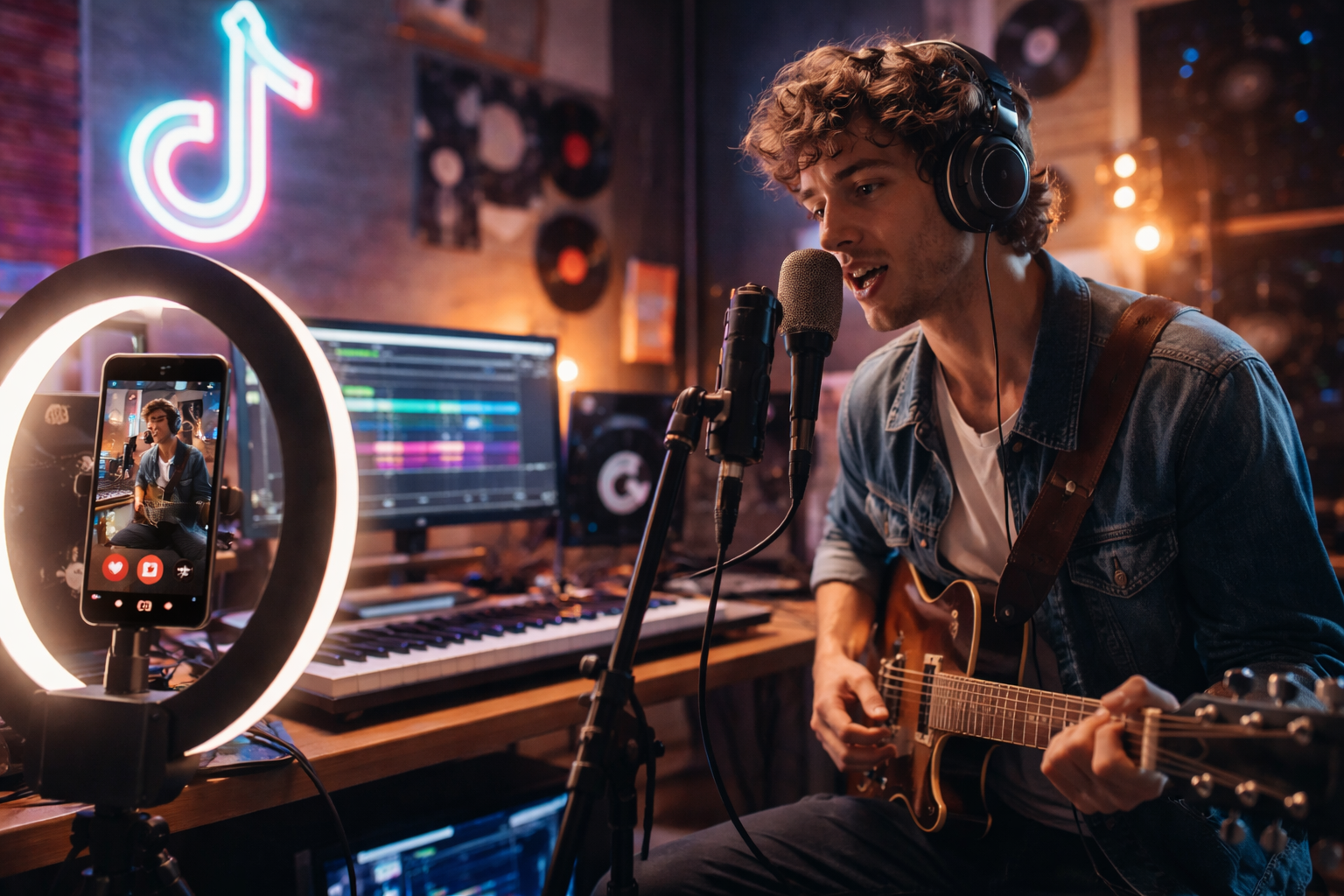
For musicians, this pushes content toward deeper creativity. Live reinterpretations, instrument playthroughs, behind-the-scenes breakdowns, or structural reworks are rewarded. Passive reuse is quietly sidelined. TikTok is no longer asking, “Is this engaging?” but “Is this genuinely creative?”
It’s a shift that favors musicians who can explain, reinterpret, and perform — not just repost.
Promotion is no longer invisible
Another major evolution is transparency. TikTok now expects creators to clearly label promotional intent. Whether you’re teasing a single, announcing an EP, or collaborating with a brand, ambiguity is punished. Videos that blur the line between organic content and advertising tend to lose reach fast.
For artists, this forces a more strategic approach. Promotion must be assumed, owned, and integrated naturally into storytelling. The days of pretending a marketing clip is “just a vibe” are over. TikTok wants honesty — not because it’s ethical, but because it’s measurable.
Lives, monetization, and gated visibility
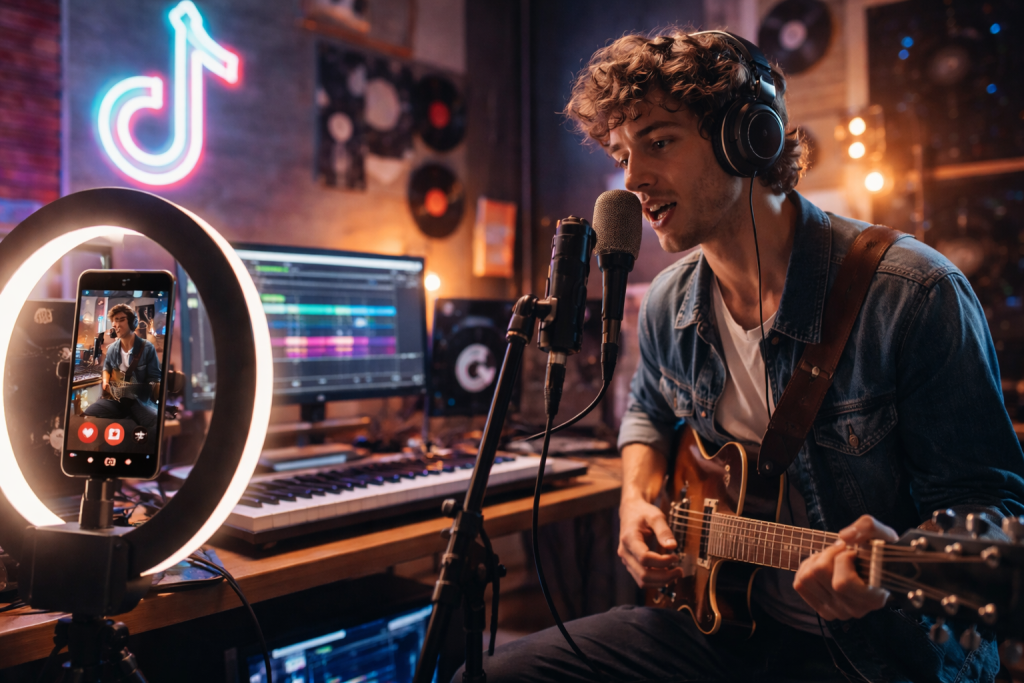
Live sessions remain powerful tools for musicians, but access is increasingly conditional. Follower thresholds, age verification, and monetization eligibility now determine who gets visibility. This narrows the field for emerging artists, but it also cleans the ecosystem.
The upside is that when musicians do go live, the audience is more qualified, more engaged, and more likely to convert. TikTok is clearly prioritizing depth over volume, pushing artists to build communities rather than chase random spikes.
What this means for musicians in practical terms
TikTok in 2026 still breaks music — but it rewards preparation. Artists who understand their rights, own their content, and treat the platform as a professional channel rather than a playground will benefit most. The algorithm hasn’t become hostile; it has become selective.
For musicians willing to adapt, TikTok remains one of the most powerful discovery engines in the industry. But success now depends less on luck and more on structure. Creativity is still king — it just needs to be legally clean, clearly intentional, and strategically framed.
In short, TikTok hasn’t closed the door on musicians. It has simply replaced the open mic with a badge system. And those who learn how to wear it properly will still be heard — loudly.