
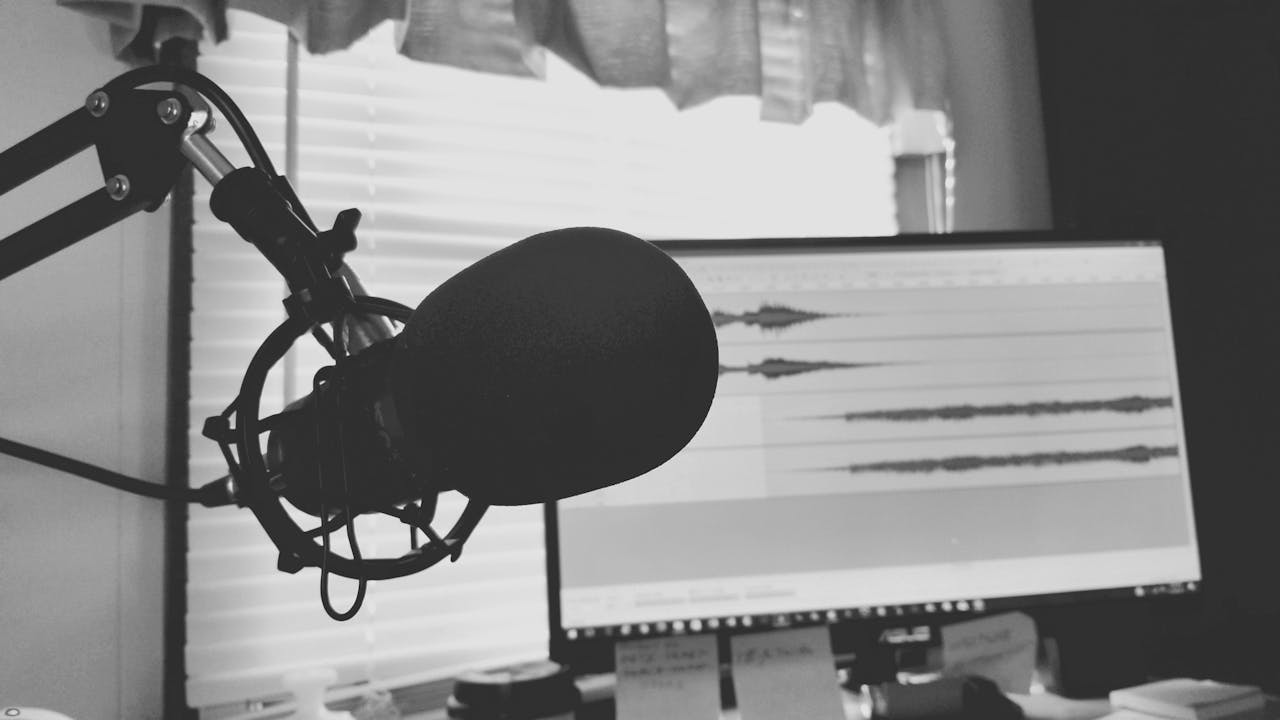

In the age of infinite releases, timing has become a strategic instrument. Every day, thousands of tracks arrive on streaming platforms, competing not only for attention, but for context — the right moment, the right mood, the right listener state.
- The Myth of “Any Day Is a Good Day”
- The First 24 Hours: A Window of Signal
- Understanding Your Audience’s Rhythm
- Seasonal Context and Emotional Alignment
- Cultural Calendars and Opportunity Windows
- Avoiding the Noise Peaks
- Time Zones and Global Audiences
- Building Anticipation Without Overexposure
- The Long Tail of Timing
- Timing as a Creative Decision
- Beyond the Calendar
In 2026, releasing music is no longer just about what you share. It is about when you introduce it into the world. Timing shapes discovery, engagement, and algorithmic response. A great track released at the wrong moment can disappear. A well-timed release can resonate far beyond expectations.
The difference is rarely luck. It is alignment.
The Myth of “Any Day Is a Good Day”
Digital distribution created the illusion that timing no longer matters. Music can be uploaded anytime, accessible everywhere. Yet listener behavior still follows rhythms: weekly routines, seasonal moods, cultural cycles, and platform-specific patterns.

Friday remains the global release day for a reason — synchronized updates, playlist refreshes, and Release Radar distributions concentrate listener attention. But within that structure, nuance matters.
Not all Fridays are equal.
The First 24 Hours: A Window of Signal
Streaming platforms evaluate listener behavior immediately after release. Early engagement influences algorithmic confidence, determining whether your track appears in personalized playlists, radios, and recommendations.
A release dropped when your audience is inactive wastes this critical window. A release aligned with listener availability maximizes engagement and strengthens signals.
Timing does not create interest. It amplifies it.
Understanding Your Audience’s Rhythm
Every audience has a rhythm. Night listeners differ from morning listeners. Weekend explorers differ from weekday focus seekers. Genre influences behavior: club music thrives on weekends; study music peaks during weekdays; cinematic soundtracks may align with evening listening.
Artists who observe these patterns gain an advantage. They release when their listeners are most receptive — not when it is most convenient.
Attention follows routine.
Seasonal Context and Emotional Alignment
Music consumption is deeply seasonal. Summer invites energy and movement. Autumn encourages introspection. Winter amplifies nostalgia. Spring suggests renewal.
Releases that align with seasonal moods integrate naturally into listeners’ lives. A warm-weather anthem in midwinter feels displaced. A reflective piano piece in peak summer may struggle to resonate.
Context enhances connection.
Cultural Calendars and Opportunity Windows
Beyond seasons, cultural events create discovery windows: festivals, holidays, global moments, and genre-specific cycles. Listeners seek soundtracks for these experiences.
A romantic release near Valentine’s Day. A reflective track at year’s end. A high-energy mix during festival season. These alignments position music within shared cultural moments.
Music becomes part of memory when it accompanies experience.
Avoiding the Noise Peaks
While major release days concentrate attention, they also concentrate competition. High-profile releases can dominate editorial space and listener focus, pushing independent tracks into the background.
Strategic timing sometimes means avoiding crowded windows. Releasing during quieter periods can increase visibility within niche spaces and improve playlist consideration.
Silence can be an advantage.
Time Zones and Global Audiences
For artists with international listeners, timing extends beyond local clocks. A midnight release in one region may coincide with peak listening hours elsewhere.
Understanding where your audience lives — and when they listen — allows for optimized release schedules that maximize early engagement.
The internet is global. Listening habits are local.
Building Anticipation Without Overexposure
Timing is not only about release day. It includes the buildup. Subtle anticipation — a teaser to your newsletter, a quiet announcement, a preview for your community — prepares listeners without overwhelming them.
Overexposure before release can dilute impact. Underexposure can lead to missed signals. Balance creates curiosity.
Curiosity primes engagement.
The Long Tail of Timing
While the first days matter, timing also affects long-term discovery. Releases aligned with recurring contexts — seasonal playlists, annual events, cultural moments — resurface year after year.
A winter-themed track can return each December. A summer anthem can reappear every June. Timing extends lifespan.
Relevance renews visibility.
Timing as a Creative Decision
Release timing is often treated as logistical. In reality, it is creative. It shapes how music is experienced, contextualized, and remembered.
A track released into the right moment feels inevitable — as though it arrived precisely when needed.
Alignment creates resonance.
Beyond the Calendar
In 2026, timing is not about chasing perfect dates. It is about understanding listener behavior, emotional context, and cultural rhythms. It is about releasing music when it can live fully in the moment rather than struggle against it.
A great track deserves the right time.
Attention follows rhythm.
Context shapes connection.
Timing transforms discovery.
Because sometimes, the difference between being heard and being overlooked is not the song — but the moment it enters the world.