
In the modern music ecosystem, curators have become powerful discovery engines. Whether they manage Spotify playlists, YouTube music channels, SoundCloud repost networks, or niche blogs, curators play a central role in how new artists reach listeners. For many musicians, landing a placement can mean thousands of new ears overnight.
Yet a persistent myth still circulates in the independent music scene: that curators simply add tracks based on “vibes.”
While taste and artistic intuition remain important, today’s curators increasingly evaluate something far more measurable — listener behavior. Behind every playlist decision lies a deeper question: will this track actually engage the audience?
Understanding what curators truly look for can dramatically improve an artist’s chances of being featured.
Curators Are Audience Architects
Curators are not just music lovers compiling random songs. They are audience architects, responsible for shaping a listening experience that keeps followers returning to their playlists.
A playlist with thousands — sometimes hundreds of thousands — of followers carries a reputation. Listeners expect consistency, emotional coherence, and discovery that feels intentional rather than chaotic.
For this reason, curators evaluate music not only for artistic quality but for how listeners are likely to interact with it. Will people skip the track after ten seconds? Will they save it to their personal library? Will they share it with friends?
These behavioral signals are increasingly important because they reflect whether the track strengthens or weakens the curator’s playlist ecosystem.
Saves: The Strongest Signal of Real Connection
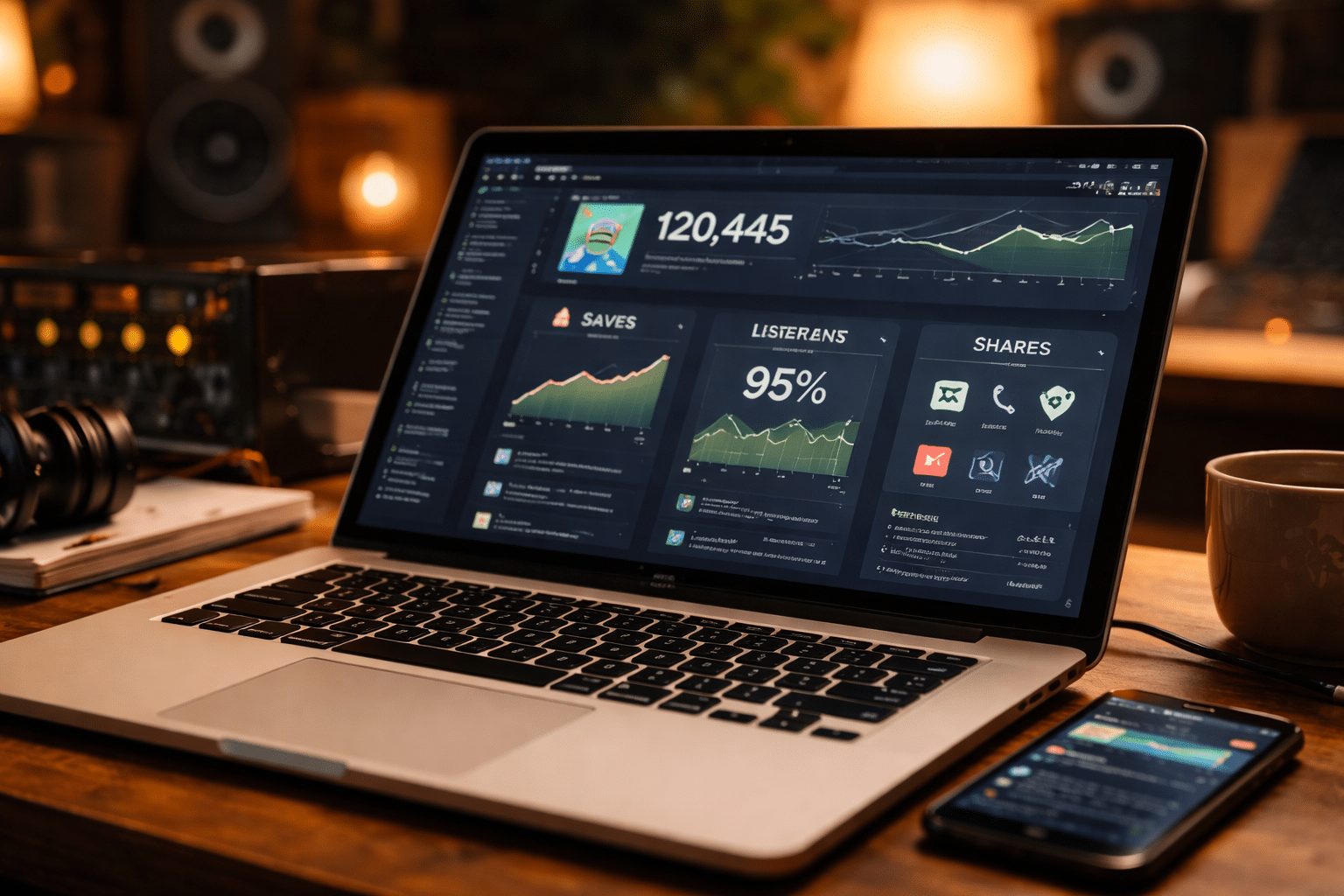
Among all engagement metrics, saves are one of the most valuable indicators for curators. When listeners add a track to their personal library, it suggests genuine appreciation rather than passive listening.
A playlist can generate thousands of streams, but if listeners never save the track, the curator may interpret the song as background noise rather than a memorable discovery.
Artists sometimes focus heavily on stream counts, but curators often care more about how listeners behave after hearing the track. A song that produces strong save rates demonstrates emotional impact and long-term potential.
Tracks that inspire listeners to keep them beyond the playlist are exactly the kind of discoveries curators want to deliver.
Watch Time: The Hidden Metric on Video Platforms
On platforms like YouTube, watch time has become a critical metric for music channels and curators. It measures how long viewers remain engaged with a video rather than simply clicking on it.
A song that attracts clicks but loses listeners halfway through can negatively affect the performance of a channel. Algorithms reward content that holds attention, and curators are well aware of this dynamic.
As a result, curators increasingly prefer tracks that maintain energy and narrative flow throughout their duration. If listeners consistently stay until the end of the track, the curator’s channel benefits as well.
This is why strong arrangements, engaging intros, and memorable transitions matter not only artistically but strategically.
Shares: When Listeners Become Promoters
One of the most powerful outcomes of a playlist placement occurs when listeners begin sharing a track organically. Shares extend the reach of a playlist beyond its existing followers and introduce the curator’s audience to new listeners.
For curators, songs that generate shares effectively become growth engines. They increase the playlist’s visibility and strengthen its reputation as a source of exciting discoveries.
Artists who actively encourage listeners to share placements — whether through social media or direct engagement — help amplify this effect. When listeners see a track circulating across platforms, curiosity naturally increases.
Curators notice this ripple effect and are more likely to support artists whose music spreads beyond the playlist itself.
Skip Rate: The Silent Killer
While saves, watch time, and shares represent positive engagement, skip rate is the metric curators quietly fear.
If listeners consistently skip a track shortly after it begins, it can disrupt the listening flow and reduce overall playlist performance. Even well-produced songs can struggle if the intro fails to capture attention quickly enough.
For curators, a track with high skip rates can damage the cohesion of the playlist. Over time, these signals influence whether the curator keeps the track or replaces it with something more engaging.
Artists who understand this dynamic often pay close attention to how their tracks begin. A compelling opening moment — whether rhythmic, melodic, or atmospheric — can significantly reduce early skips.
The Balance Between Art and Data
Despite the growing influence of engagement metrics, curators are not simply analyzing spreadsheets of listener behavior. Music discovery remains an emotional process.
Curators still rely on instinct, taste, and artistic vision when selecting tracks. However, these subjective elements now exist alongside measurable audience reactions.
The most successful curators balance both worlds. They trust their ears, but they also pay attention to how listeners respond once the track enters the playlist.
This hybrid approach allows them to maintain creative identity while optimizing audience engagement.
Why Artists Should Think Like Curators
Artists who want to increase their chances of playlist placements benefit from thinking like curators themselves. Instead of asking only whether a track sounds good, they should consider how listeners might interact with it.
Does the intro immediately capture attention?
Does the arrangement maintain momentum?
Does the track contain moments listeners might want to revisit?
These questions reflect the same considerations curators apply when evaluating submissions.
Music that resonates emotionally while sustaining listener engagement naturally becomes more attractive to playlist editors.
Discovery Is a Shared Responsibility
In the streaming era, discovery no longer depends on a single gatekeeper. Instead, it emerges from a network of artists, curators, platforms, and listeners.
Curators help introduce new music to audiences, but the audience ultimately decides whether a track deserves to spread further. Saves, watch time, shares, and other signals represent the collective voice of listeners.
Artists who recognize this dynamic approach promotion differently. Instead of chasing placements alone, they focus on creating music that inspires genuine engagement.
Because in the end, curators may open the door — but listeners decide whether the music stays.