
Viral reach still knows how to flatter an artist. It arrives fast, looks spectacular, and splashes impressive numbers across a screen with all the subtlety of fireworks in a quiet street. For a moment, everything seems to be moving. The clip takes off, the song circulates, the notifications multiply, and the algorithm finally appears to have a pulse. Then, just as often, the noise fades. The views remain on paper, but the momentum does not.
That is the uncomfortable truth at the heart of music promotion in 2026. Exposure alone is no longer a reliable sign of progress. It can create visibility, but visibility is not the same thing as connection, and connection is not the same thing as loyalty. The artists building something durable today are not simply chasing the largest possible wave of attention. They are learning how to recognize, understand, and grow the audience that keeps coming back.
That audience matters more than ever. Not because it looks impressive from a distance, but because it changes the economics, the psychology, and the long-term rhythm of an artist’s career. The listener who returns is worth more than the viewer who scrolls past once, even if the second one makes the numbers look prettier for a day or two.
The age of vanity metrics is beginning to crack
For years, music marketing was hypnotized by surface-level spectacle. Big view counts. Sudden spikes. Viral clips. Dramatic jumps in engagement. Those signals still have value, of course. Reach can introduce a song to people who would never have found it otherwise. A strong burst of attention can open doors, trigger recommendations, and create a sense of cultural relevance that matters in a crowded market.
But reach is unstable by nature. It is often driven by timing, novelty, emotion, trend behavior, or platform momentum that the artist does not fully control. It can be useful, but it is rarely dependable on its own. That is what makes it so seductive and so dangerous. Viral performance can create the illusion of progress without producing the kind of listener behavior that actually compounds.
A song may travel widely for a few days and still fail to generate repeat listening. A video may collect thousands of reactions while the artist’s profile remains barely explored. A campaign may feel huge in the moment and leave almost no structural impact behind. None of this is rare anymore. In fact, it has become one of the defining frustrations of the modern release cycle.
The problem is not that virality is useless. The problem is that too many artists still treat it like the finish line when it should be treated like an opening.
Super listeners do not just support a release. They support a future.
Super listeners matter because they behave differently from casual audiences. They do not merely encounter a song. They return to it. They do not only notice an artist once in the feed and then disappear into the fog of endless content. They remember. They follow. They compare releases. They explore the catalog. They start to build a habit around the artist’s work.
That difference changes everything. A casual listener can inflate a moment. A super listener strengthens a foundation. A casual listener may boost the optics of a campaign. A super listener gives the next campaign a better starting point. A casual listener may create one bright data point. A super listener becomes a pattern.
This is why serious artists in 2026 have to think beyond reach. Reach can introduce. It cannot guarantee retention. Super listeners are the segment that turns promotion into continuity. They are the people who stream the back catalog after hearing the new single. They are the ones who notice the next release instead of needing to be reintroduced from scratch. They are far more likely to save songs, follow profiles, buy tickets, share music intentionally, and stick around long enough for a career to feel like a story rather than a sequence of isolated uploads.
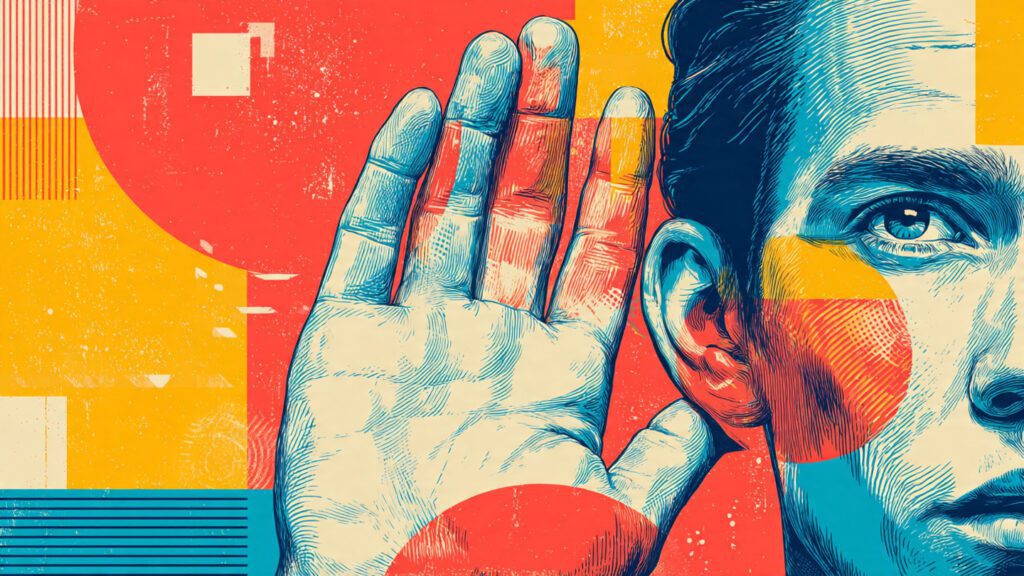
Why viral reach often disappoints after the applause fades
The mechanics of virality and the mechanics of fandom are not the same. That may sound obvious, but the industry still behaves as if one naturally leads to the other. It does not.
Virality is often powered by immediacy. Something catches because it is funny, emotional, dramatic, beautifully timed, visually striking, or attached to a broader conversation already moving through the culture. Fandom grows through repetition, trust, identity, and emotional consistency. Viral reach is often light on memory. Super listening depends on memory. Viral reach can be accidental. Real attachment almost never is.
That is why so many artists come out of a big content moment with less long-term traction than the numbers seemed to promise. The audience saw the post, not the artist. They reacted to a fragment, not a world. They recognized a moment, not a relationship. The campaign succeeded in visibility terms but failed in depth.
There is a cruel irony in that. The more spectacular the spike, the easier it can be to miss how shallow the effect really was. A campaign can look enormous while leaving the artist in almost the same place a few weeks later.
The strongest artists now build for return, not just reaction
This is where the super-listener mindset becomes strategically valuable. It forces a more mature way of thinking. Not simply in terms of how many people can be reached, but in terms of what makes people come back. That is a harder question, and also the one that matters most.
To build for return is to design a release differently. The song is still the center, obviously, but the surrounding signals matter much more than many artists admit. Identity. Consistency. Emotional clarity. Visual language. Tone of voice. Narrative continuity. Profile coherence. All of it contributes to whether the listener feels there is something deeper to explore or whether the release feels like a one-night stand with the algorithm.
Super listeners do not appear by magic. They are usually the result of repeated proof. Proof that the music has depth. Proof that the artist has a point of view. Proof that the next release will not feel random. Proof that there is a real artistic world forming here, not just a campaign trying to buy a little more time in the feed.
In 2026, the catalog matters almost as much as the single
One of the great advantages of super listeners is that they rarely stay trapped at the level of one track. Once the connection forms, they start exploring. They move backward through the catalog. They compare eras. They understand the artist through more than one release. A new song no longer exists as an isolated object. It becomes a gateway into a wider body of work.
That matters enormously for independent artists. Without the machinery of a major label, the catalog becomes one of the most important long-term assets available. When casual listeners disappear, the loss is silent but real. When a super listener arrives, the value can multiply over time. One single leads to an older track. One older track leads to another. One save creates curiosity for the EP. One strong release gives new life to material that was already there, waiting for the right person to care.
That is the sort of compounding effect viral reach rarely delivers on its own. Viral attention can put a spotlight on one song. Super listeners can illuminate the entire room.
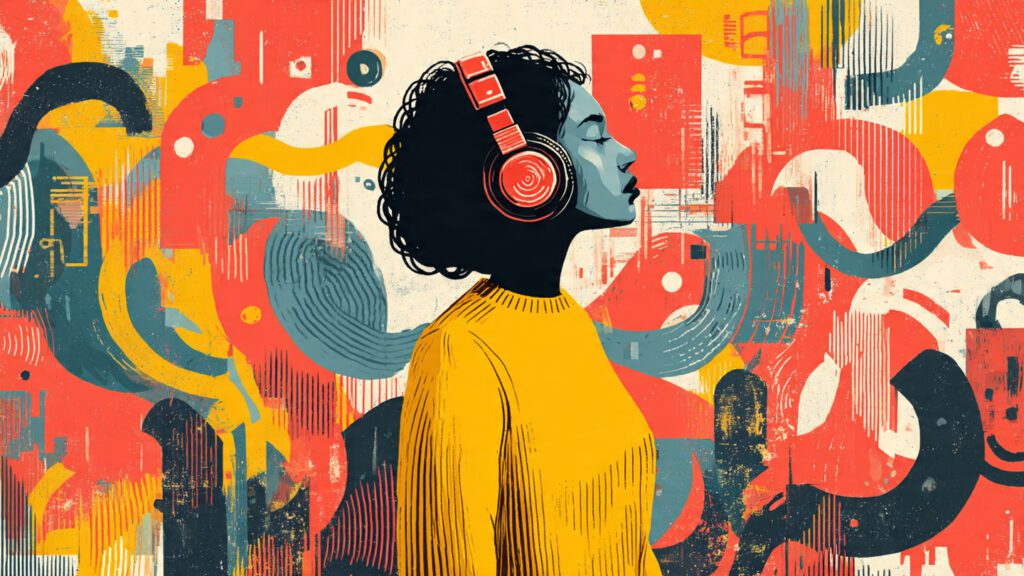
The new economics of attention reward depth
This shift is not just philosophical. It reflects the actual way modern music careers hold together. Artists do not build sustainability from one-time contact alone. They build it through repeated engagement across listening, saving, following, sharing, ticket buying, merch support, and ongoing recognition.
A listener who returns changes the baseline. That is the key. It means future releases begin in warmer conditions. It means a campaign does not have to start from cold exposure every single time. It means the artist is no longer asking the audience to meet them for the first time at every release, like a terrible romantic comedy where nobody remembers the previous scene.
That kind of baseline is priceless. It creates predictability in an environment that often feels built on volatility. Music will always carry uncertainty, but a strong core audience softens the chaos. It gives the artist something much more useful than a random spike: continuity.
Why this changes the way music promotion should be written and planned
If super listeners matter more than viral reach, then the language of promotion has to grow up. Artists can no longer afford to treat every release like a temporary traffic event. The campaign must do more than announce availability. It has to build context, recognition, and emotional continuity.
That changes the function of almost every promotional asset. A short video is not just there to interrupt the scroll. It should signal the emotional world of the artist. A caption is not just support text. It can deepen the relationship. A profile is not simply a storage space for music. It is part of the bridge from curiosity to loyalty. A behind-the-scenes clip is not filler. It can become proof of craft, personality, and care.
In practical terms, this means the strongest campaigns in 2026 are not merely louder. They are more layered. They do not only ask the audience to listen. They give the audience reasons to stay. The song may open the door, but the artist’s world is what convinces people to walk further inside.
What super listeners are really responding to
It is tempting to imagine super listeners as a mysterious category, as though they belong to some rare fan species that appears without warning and cannot be influenced. In reality, they often emerge from something much simpler: strong music presented with enough consistency, identity, and human depth to reward repeated attention.
They respond to recognizability. Not sameness, but a clear artistic signature. They respond to emotional honesty, even when it is stylized. They respond to releases that feel connected rather than random. They respond to storytelling that expands the music instead of flattening it into slogans. They respond to details that make the artist feel real.
They also respond to being treated like participants rather than statistics. This is one reason artist-fan connection matters so much now. The listener who feels acknowledged, considered, or emotionally addressed is more likely to return than the one who is simply targeted by a campaign asset. A core audience does not just absorb content. It recognizes itself somewhere inside the relationship.
The smartest strategy is not anti-viral. It is post-viral.
None of this means artists should stop pursuing reach. That would be ridiculous. Discovery still matters. New listeners still matter. Cultural moments still matter. But the smartest strategy now is not anti-viral. It is post-viral. It asks a more valuable question: once attention arrives, what is waiting for it?
Is there a coherent profile worth following? Is there enough catalog depth to reward exploration? Does the artist have a recognizable voice beyond the release itself? Are there visuals, stories, and recurring formats that give the audience more to hold onto? Does the campaign create a bridge from an impressive moment to a lasting habit?
This is where many artists still lose momentum. They spend enormous energy trying to trigger the spark and much less building the structure that could catch it. But virality without infrastructure is like rain on concrete. Dramatic for a moment, then gone.
Why 2026 belongs to artists who build depth on purpose
The current promotional climate rewards artists who understand one critical distinction: attention is rented, but loyalty can be built. Reach is volatile. Habit is stronger. Visibility is useful. Return is transformative.
That is why super listeners matter more than viral reach in 2026. They are not just another audience segment hiding in a dashboard. They are the clearest sign that an artist is moving from exposure toward real gravity. They are the listeners who carry a release beyond its launch window. They are the people who make future campaigns easier, catalogs stronger, live opportunities warmer, and artistic identity more durable.
Virality can still open the door. Nobody sensible should ignore that. But the artists who last will be the ones who know what to do once the door is open. They will know how to turn the first listen into a second, the second into a habit, and that habit into the kind of connection no algorithmic spike can imitate.
In the end, the most important audience is not always the biggest one. It is the one that returns when the noise fades. In 2026, that audience is worth more than ever.