Dr. Dre Says He Is Using AI in Music Production and Does Not See It as a Threat
Dr. Dre has entered the AI music debate from the producer’s chair. The legendary rapper and producer says he is already experimenting with artificial intelligence in his own music-making process and does not see the technology itself as a threat to creativity. His comments arrive at a moment when artists, labels, streaming platforms and AI companies are arguing over where assistance ends and replacement begins.
Key Takeaways
- Dr. Dre says he is actively experimenting with AI in music production.
- He describes AI as a new creative tool rather than an automatic replacement for musicians and producers.
- Dre compares today’s resistance to AI with earlier skepticism around drum machines and synthesizers.
- His position highlights an important distinction between AI-assisted production and fully generated music.
- For independent producers, the debate is increasingly about authorship, transparency and control, not simply whether AI is used at all.
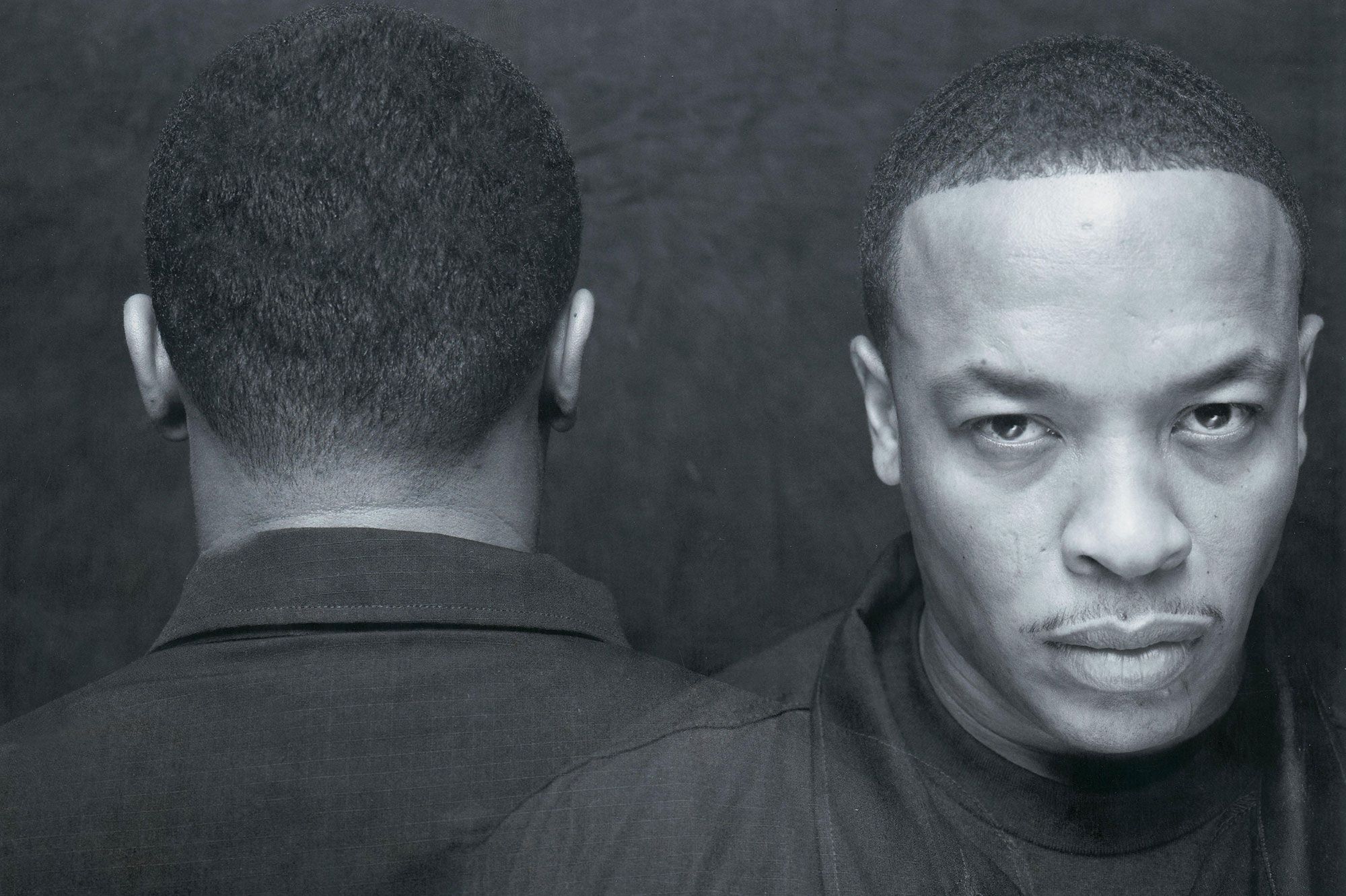
Dr. Dre is treating AI like another studio tool
In a recent conversation about the future of music, Dr. Dre said he is already using artificial intelligence to explore ideas in the studio. Rather than asking a system to replace the entire creative process, he described experimenting with material he has already created and seeing where AI can take it next.
That distinction matters. The current AI music debate often groups very different workflows together. Generating a complete track, vocal and lyric from a prompt is not the same process as using machine learning to separate stems, clean audio, suggest arrangements, transform a sound or test variations of an existing human-made idea.
Dre’s comments place him firmly in the second conversation: AI as production technology that can be directed by a creator.
Why the drum-machine comparison is important
Dre compared resistance to AI with the reaction that surrounded technologies such as drum machines and synthesizers when they first entered professional studios. Those tools changed how records were made and reduced the need for certain traditional processes, but they also created new genres, production techniques and creative identities.
Hip-hop itself offers one of the clearest examples of technology changing musical authorship. Sampling, sequencers, digital audio workstations, pitch correction and software instruments all raised questions about what counted as musicianship when they became widely available.
The comparison does not automatically resolve the ethical questions around generative AI. Training data, voice imitation, copyright and mass generation introduce issues that a drum machine never did. But Dre’s point is useful because it separates fear of a new tool from legitimate concerns about how that tool was built and how it is used.
AI-assisted production is not the same as a fully generated song
This distinction is becoming central to music policy in 2026. Streaming platforms and distributors are beginning to build systems that identify material AI use, while artists increasingly use AI-assisted tools inside otherwise human-led productions.
A producer may use AI for restoration, stem extraction, noise removal, mastering suggestions or sound design while still writing the music, performing the parts and making the creative decisions. At the other end of the spectrum, a user can ask a generative platform to produce a finished song from a short text prompt.
Those two workflows should not be treated as identical. For listeners and rightsholders, the relevant questions are how much of the final work was generated, who directed the creative process, whether protected material was used without permission and whether the release is presented transparently.
Dre’s comments arrive during a major industry split
The timing is significant. Some artists have publicly rejected generative music, while others are incorporating AI into their production workflows. Record companies are simultaneously suing some AI developers and licensing technology to others. Streaming services are introducing AI labels, identity checks and recommendation rules.
That makes the debate less binary than “AI versus no AI.” The music business is moving toward a model in which different forms of AI use are judged according to consent, attribution, compensation and transparency.
A famous producer openly saying he uses AI also matters culturally. Studio practices tend to become normalized when respected creators discuss them publicly. The same happened with digital recording, Auto-Tune, sample libraries and in-the-box production.
What this means for independent musicians
Independent producers often adopt new studio technology faster than large organizations because they can change workflows without waiting for corporate policy. AI is likely to follow the same pattern. Tools that save time on editing, cleanup, organization or experimentation can be attractive to creators working alone.
But the risks are also greater for artists without legal departments. A convenient AI tool may have unclear terms around training data, ownership, commercial use or voice models. Before releasing music built with generative systems, creators should understand what rights the service grants and what disclosure their distributor or streaming platform expects.
Keeping project files, stems, session history and notes about how generative tools were used can also become useful evidence of human authorship and production provenance.
Creativity remains the real differentiator
Dre’s argument ultimately centers on direction. Technology can generate possibilities, but a producer still decides what belongs in the record. That editorial judgment is the part that has always separated a collection of sounds from a finished production.
As generative tools become easier to access, simply producing audio will become less scarce. Taste, identity, arrangement, performance, storytelling and the ability to build an audience may therefore become even more important.
The biggest competitive advantage for a human artist may not be avoiding every AI feature. It may be having a creative identity strong enough that technology remains subordinate to the artist rather than becoming the artist.
The debate is moving from prohibition to rules
In 2026, the music industry is increasingly building rules around AI rather than waiting for the technology to disappear. Apple Music is preparing visible AI disclosure labels. Spotify is introducing identity measures for AI personas. Deezer is detecting and limiting the recommendation of fully AI-generated music.
At the same time, licensed AI partnerships are expanding across labels, publishers and technology companies. Dre’s position fits that emerging middle ground: use new tools, but keep human creativity at the center.
The unresolved questions are no longer only technical. They are about rights, consent, authorship, compensation and what listeners deserve to know.
Sources
- The Express Tribune: Dr. Dre embraces AI in music production
- Gizmodo: Dr. Dre says he uses AI to produce songs
More reading on Audiartist
- Apple Music “Made With AI” labels: what changes in 2026
- Deezer is near 90,000 AI music uploads a day
- Dr. Dre: the architect of West Coast hip-hop and modern rap production
Reporting date: August 24, 2026.