
International Free Music and the Modern Return of Classical Listening
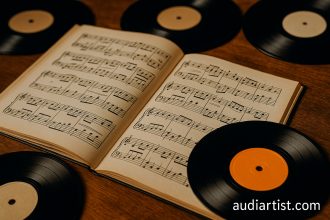
Classical music has never needed to shout. It lasts because it knows how to hold a room without begging for attention. In an era obsessed with speed, loops, and disposable content, International Free Music offers something strikingly different: a catalog built around classical works that still feel useful, cinematic, elegant, and emotionally direct.
That matters more than it may seem. For content creators, editors, podcasters, video makers, and listeners who still want melody, tension, refinement, and atmosphere, classical repertoire remains one of the most powerful tools available. International Free Music does not approach that repertoire as a museum piece. It presents it as living material: accessible on streaming platforms, easy to explore, and closely connected to the growing demand for royalty-free classical music online.
The result is a project that sits at an interesting crossroads. It speaks to streaming culture, yet it draws from composers whose work predates microphones, playlists, and algorithms by centuries. That contrast is exactly what gives it its appeal.
Where to Listen
International Free Music is available across major platforms, making it easy to move from discovery to listening in just a few clicks.
A Catalog That Understands Mood
The strength of International Free Music lies in more than recognition. Yes, the names are familiar. Mozart, Bach, Chopin, Beethoven, Tchaikovsky, Debussy: these composers bring immediate credibility and emotional range. But familiarity alone is not enough. What makes the catalog effective is the way it can serve multiple listening needs at once.
Some pieces feel intimate and delicate, built for reflection, melancholy, or interiority. Others create instant grandeur. Some work beautifully under narration. Others can transform a short video intro into something that feels bigger, richer, and more cinematic than its budget suggests. Classical music has always excelled at this kind of emotional precision. International Free Music makes that precision easier to access in a modern format.
This is why the project makes sense not only for classical enthusiasts, but for creators looking for atmosphere with real character. In a landscape flooded with forgettable background tracks, that distinction matters.
A Discography Designed Around Familiar Landmarks
One of the most compelling aspects of International Free Music is the way the discography organizes classical listening around recognisable entry points. Albums centered on Chopin, Bach, Tchaikovsky, and Mozart make discovery feel immediate rather than intimidating. Instead of confronting a vast historical library all at once, listeners can step into the catalog through clear thematic doors.
Releases such as Free Classical Music Chopin, Free Classical Music: Jean-Sébastien Bach, Classical Collection, Free Classical Music: Tchaikovsky, The Seasons, Best of Mozart, and Mozart’s Sonata Vol. 1 give the catalog both breadth and readability. They are not presented as dusty archives. They feel more like curated listening zones, each one built around a distinct emotional identity.
That curatorial logic is especially useful for readers and creators who know the emotional effect they want before they know the exact title they need. Need drama? Beethoven can do that in seconds. Need elegance without stiffness? Mozart never struggles to enter the room gracefully. Need introspection, fragility, or emotional twilight? Chopin remains unmatched.
Featured Titles Worth Exploring
Best of Mozart — a gateway into bright, elegant, instantly recognizable classical writing.
Free Classical Music Chopin — ideal for piano-driven emotion, introspection, and refined melancholy.
Free Classical Music: Jean-Sébastien Bach — structured, intelligent, and perfect for tension, momentum, and compositional clarity.
The Seasons / Tchaikovsky selections — expressive, lyrical, and naturally cinematic.
Embedded Listening: Four Pieces That Show the Range
To understand the appeal of International Free Music, it helps to move beyond catalog titles and hear the tonal range for yourself. The selections below give a sense of how classical repertoire can shift from brilliance to introspection, from order to emotion, from ceremony to intimacy.
The Best of Mozart
Mozart remains one of the easiest entrances into classical music because his writing carries elegance without heaviness. It feels clear, alive, and instinctively musical, which is one reason it works so well for creators and general listeners alike.
Jean-Sébastien Bach: Bourrée from Lute Suite in E minor BWV 996
Bach brings architecture to emotion. Even in shorter forms, there is direction, intelligence, and movement. That makes his work especially effective in edits, transitions, and sequences that need both precision and personality.
Chopin Nocturne No. 20 in C minor
Chopin shifts the mood inward. His piano language remains one of the most emotionally direct in the entire repertoire, capable of sounding fragile, noble, and haunting without ever tipping into exaggeration.
June (Barcarolle) from The Seasons
Tchaikovsky adds another layer entirely: lyricism with cinematic reach. There is often movement in his music even when the surface feels calm, which is why it lends itself so naturally to storytelling and emotionally rich visual work.
Why This Matters for Royalty-Free Music Culture
The conversation around royalty-free music often gets trapped in utility. People talk about licensing, convenience, safety, monetization, and platform compatibility. All of that matters, of course. But it misses something essential: the emotional quality of the music itself.
That is where classical repertoire changes the equation. It does not just solve a practical problem. It elevates the result. A documentary, podcast, trailer, ad, or short-form visual can feel more thoughtful, more polished, and more memorable when the music underneath it carries genuine musical identity. International Free Music benefits from this immediately because it draws from a repertoire that already has emotional authority built into it.
For creators, that makes the project valuable beyond simple listening. It becomes part of a broader creative toolkit.
Royalty-Free Classical Music Available on MusiquesLibreDeDroit.fr
For anyone looking to go one step further, the classical music selection is also available through the dedicated royalty-free page on MusiquesLibreDeDroit.fr. That page serves as a direct entry point for creators who want to explore classical tracks for videos, podcasts, branded content, documentaries, social content, or other productions that need elegance and emotional depth.
Explore Royalty-Free Classical Music
The appeal is obvious. Classical music brings prestige, atmosphere, and storytelling power. A dedicated page that gathers those moods in one place makes discovery far easier for creators who do not have time to dig through endless catalogs or second-guess every music choice.
Conclusion
International Free Music works because it does not treat classical music as a relic. It treats it as a resource with present-day value: streamable, searchable, emotionally rich, and directly useful. That is a smart position to occupy in today’s creative landscape. While much of the online music world chases immediacy, this catalog quietly reminds listeners that depth still wins, melody still matters, and a well-placed piano phrase can do more than a hundred overdesigned sound effects trying far too hard to be modern.