In DJ Mag’s The Making Of A House Classic, Marshall Jefferson looks back at the creation of Move Your Body, returning to 1985, when he was still working at a postal office in Chicago. The story is almost mythical in its simplicity. According to Jefferson, the song simply came to him. There was no long marketing plan, no major studio machinery, no calculated attempt to manufacture a classic. The track arrived quickly, naturally, and with the kind of urgency that often defines timeless music.
Jefferson explains that the song took only around 15 minutes to make. His friend Curtis McClain added vocals on the same day the instrumental was recorded, giving the track the human, soulful, and anthemic force that would help it become one of the most beloved records in house history.
Marshall Jefferson: A Pioneer of Chicago House
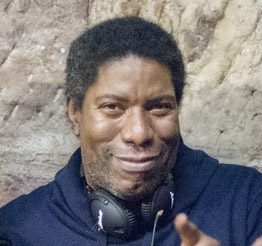
Marshall Jefferson is one of the key architects of house music. Emerging from Chicago in the 1980s, he became part of a generation of producers, DJs, and club visionaries who transformed underground dance culture into a global movement. At a time when electronic production was still raw, experimental, and deeply connected to local club communities, Jefferson helped expand the emotional and musical vocabulary of the genre.
His work was not limited to drum machines and club rhythm. Jefferson understood melody, atmosphere, arrangement, and feeling. He brought a musical richness to house that made it more than functional dance music. With Move Your Body, he created a record that sounded like a celebration, a sermon, a party, and a declaration of freedom all at once.
That is why his influence remains so important. Marshall Jefferson did not only contribute a classic track to house music. He helped define what house music could become: physical, emotional, spiritual, communal, and endlessly adaptable.
Chicago, 1985: The Moment Before History
The setting of the story is crucial. Chicago in the mid-1980s was one of the most important laboratories for modern electronic music. The city’s clubs, DJs, and producers were developing a new sound from disco, soul, funk, European electronic music, drum machines, and the needs of a young dancefloor culture hungry for something different.
House music was not yet the global language it would later become. It was local, physical, underground, and still forming its identity. Tracks moved from club to club through tapes, test pressings, and word of mouth. A record could become powerful before it was officially released, simply because the right DJs played it to the right crowd at the right moment.
Move Your Body entered this world with unusual force. Its piano-driven energy, vocal hook, and uplifting structure made it stand apart. It had the rawness of early house, but also the emotional clarity of a true anthem.
The Song That “Just Came” to Marshall Jefferson
One of the most fascinating parts of Jefferson’s story is how quickly Move Your Body was created. Some songs are built slowly through revision, arrangement, and careful studio work. Others arrive almost fully formed, as if the artist is simply catching something already in the air.
Jefferson’s description of the song coming to him speaks to the mysterious side of creativity. It reminds us that classic records are not always the result of endless calculation. Sometimes they happen because an artist is ready, the moment is right, and the idea appears with unusual clarity.
The fact that the track was reportedly made in such a short time only adds to its legend. There is something beautifully direct about that. Move Your Body does not feel overthought. It feels alive. It moves with instinct, confidence, and immediate emotional purpose.
Curtis McClain and the Voice of the Anthem
The vocal performance by Curtis McClain is central to the track’s identity. Without the voice, Move Your Body would still be an important instrumental, but the vocal gives it its unforgettable communal power. It turns the song into an invitation.
The phrase “move your body” is simple, but that simplicity is exactly what makes it universal. It does not need complex poetry to work. It speaks directly to the dancefloor. It tells people what house music is asking from them: movement, release, participation, and presence.
McClain’s vocal carries a gospel-like quality that connects house music back to deeper traditions of Black American music. It brings soul into the machinery, warmth into the rhythm, and humanity into the electronic structure. This balance between machine and voice is one of the reasons the track still feels powerful today.
Early Support from Ron Hardy, Frankie Knuckles, and Larry Levan
Before Move Your Body became a widely recognized classic, it gained momentum through club culture. DJs such as Ron Hardy, Frankie Knuckles, and Larry Levan were early supporters, and their role in the record’s journey is essential.
These DJs were not simply playing music. They were shaping taste, building scenes, and testing records in front of highly responsive audiences. If a track worked in those rooms, it meant something. The club was the laboratory, and the dancefloor was the judge.
As cassettes of Move Your Body circulated from club to club, the record began to build its reputation before its official release. This is one of the most beautiful aspects of early house history: music traveled through people before it traveled through industry systems. It moved because dancers reacted, DJs believed, and communities carried it forward.
The Struggle to Get the Track Pressed
Despite the excitement around the song, Jefferson initially had trouble convincing Trax Records boss Larry Sherman to press the track. This detail is important because it shows how many classics are not immediately recognized by the industry.
History is full of records that seemed obvious only after they became successful. At the beginning, even revolutionary music can be misunderstood, underestimated, or delayed by gatekeepers. Move Your Body is a reminder that a track’s true value is not always visible from a business desk. Sometimes the dancefloor understands before the label does.
The record was eventually released in 1986, and its impact only grew from there. What began as a track circulating through clubs became one of the defining records of house music’s first golden era.
Why Move Your Body Became a House Classic
Move Your Body became a classic because it contains several elements that define great house music. It has rhythm, but also melody. It has repetition, but also emotional lift. It is direct enough for the dancefloor, but rich enough to remain memorable outside the club.
The piano line is one of the track’s most recognizable features. It gives the record its brightness and urgency, helping transform the beat into something joyous and expansive. The vocal adds a sense of command and celebration. The arrangement keeps the energy moving without losing its raw Chicago spirit.
Most importantly, the track captures the central promise of house music: liberation through movement. It does not ask the listener to analyze. It asks them to feel. It turns the body into the first listener.
A Legacy That Still Shapes Dance Music
Nearly 40 years after its release, Move Your Body remains a reference point for DJs, producers, and dance music historians. Its influence can be heard across house, piano house, garage, soulful house, classic club music, and countless modern productions that still borrow from the emotional architecture of early Chicago house.
The track’s legacy also lives in the way people talk about house music itself. When fans describe house as uplifting, communal, soulful, and built for the dancefloor, they are often describing qualities that Move Your Body helped make iconic.
The song has survived because it does not belong only to one era. It still works because its message is physical and universal. Clubs change. Technology changes. Production trends change. But the need to move, gather, and feel something together remains.
Marshall Jefferson and the House Masters Legacy
The renewed attention around Marshall Jefferson’s work, including the release of a 40-track Defected House Masters compilation featuring Move Your Body, underlines the lasting importance of his catalog. This is not only about nostalgia. It is about recognizing the foundations of a culture that continues to influence global music.
House music has become one of the most adaptable genres in the world. It has entered pop, fashion, festivals, underground scenes, luxury nightlife, radio, streaming playlists, and independent production communities. Yet its roots remain essential. Without pioneers like Marshall Jefferson, the language of modern dance music would sound very different.
A compilation like this helps connect generations. It allows younger listeners to discover the source, while longtime fans can return to the records that helped define their relationship with the dancefloor.
Conclusion: The Song That Gave House Music a Voice
Move Your Body is often called a house anthem, and the word fits perfectly. It is not just a successful track. It is a statement of purpose. It tells people what house music is about: rhythm, freedom, togetherness, soul, and the simple but powerful act of moving together.
Marshall Jefferson’s story shows that timeless music does not always arrive through grand plans. Sometimes it appears quickly, almost mysteriously, and then grows because a community recognizes its power. From a postal office worker in Chicago to one of the most important figures in electronic music history, Jefferson’s journey remains inseparable from the rise of house itself.
Nearly four decades later, Move Your Body still does exactly what its title promises. It moves bodies, but it also moves history.
YouTube link: Watch Marshall Jefferson discuss the making of Move Your Body on YouTube