
That is the real problem. Not that artists make music videos, but that they often fail to build a promotional structure around them.
A good video should not arrive as a one-day asset. It should function as a campaign engine. It should create anticipation before release, stimulate repeat attention after launch, and generate multiple forms of content long after the first premiere link has been posted. In other words, the video is not just content. It is a content source.
If you want your music video to do more than decorate a release, you need to stop thinking like someone uploading a file and start thinking like someone orchestrating a rollout.
Why So Many Music Videos Lose Their Power Too Quickly
The pattern is painfully familiar. The artist announces the video on release day, drops the link everywhere at once, maybe shares a short clip in stories, and then moves on. Within forty-eight hours, the post has been buried, the audience has scrolled onward, and the video that took real time, money, and creative energy to produce is already behaving like expired content.
This happens because too many artists still frame the music video as a final product rather than a momentum tool. They focus on publication instead of sequencing. They think the job is to upload it, not to extract its full promotional value.
But a music video has a built-in advantage over many other release assets. It contains atmosphere, narrative, emotion, styling, movement, and visual identity all in one place. That makes it one of the richest promotional assets an artist can create—if they know how to break it apart, stage it properly, and keep it circulating with intent.
The Goal Is Not Just Views. It Is Extended Attention
Artists often talk about music video promotion as if the only success metric were raw view count. Views matter, of course, but they do not tell the whole story. A video can be useful even before it accumulates major numbers, because its deeper value lies in what it does to the release around it.
A strong video can make the song feel more important. It can give media something to feature. It can create better short-form assets. It can improve click-through rates through stronger visuals. It can help fans understand the world of the release. It can make a track more memorable simply because people now attach images, mood, and scenes to the music.
That is why the real question is not just “How do I get more views?” It is “How do I use this video to prolong and deepen the life of the release?”
Once you shift to that mindset, promotion becomes much smarter.
Start Before the Video Is Out, Not After
One of the biggest mistakes artists make is waiting until the video is live before they begin promoting it. By then, the most useful runway has already been lost.
A music video needs anticipation just like a song release does. If the first time people hear about the video is the moment the link appears, you are forcing the audience to process the entire thing at once: the title, the concept, the visuals, the timing, and the call to click. That is too much friction for modern attention spans.
Pre-release promotion solves that problem by creating familiarity before the full video arrives. It gives the audience time to register the visual language, feel the mood, and understand that something is coming. That way, when the premiere lands, it feels like an arrival rather than a random upload.
Teasers should create mood, not explain everything
A teaser is not a summary. It is an invitation.
The strongest music video teasers do not try to cram the entire concept into fifteen seconds. They focus on one memorable element: a powerful visual, a striking frame, a moment of tension, a flash of performance energy, a cinematic detail, or a line from the song that suddenly feels larger because it now has imagery attached to it.
The goal is to create curiosity, not exhaust the audience before the main release. A teaser should leave room. It should give people just enough to recognize the aesthetic and want more.
That also means variety matters. One teaser can highlight the narrative. Another can emphasize the performance. Another can lean into atmosphere. Another can focus on a hook. This way, the campaign does not feel repetitive even if the core asset is the same video.
Snippets Are Not Filler. They Are the Fuel
If the full video is the main event, snippets are what keep it alive.
Too many artists treat snippets as quick leftovers when in reality they are often the most important distribution format in the entire campaign. Most people will encounter your video first through a short clip, not through the full-length version. That clip needs to work hard. It needs to stop the scroll, communicate mood instantly, and make the viewer feel that the full video is worth their time.
This is where editing choices become promotional choices. You are not simply cutting random sections from the video. You are selecting moments that function best in isolation.
Choose snippets with different jobs
Not every snippet should do the same thing. One clip should be built for impact. Another for curiosity. Another for beauty. Another for emotional pull. Another for performance energy. When artists only post one type of excerpt, they flatten the campaign and reduce their chances of reaching different kinds of viewers.
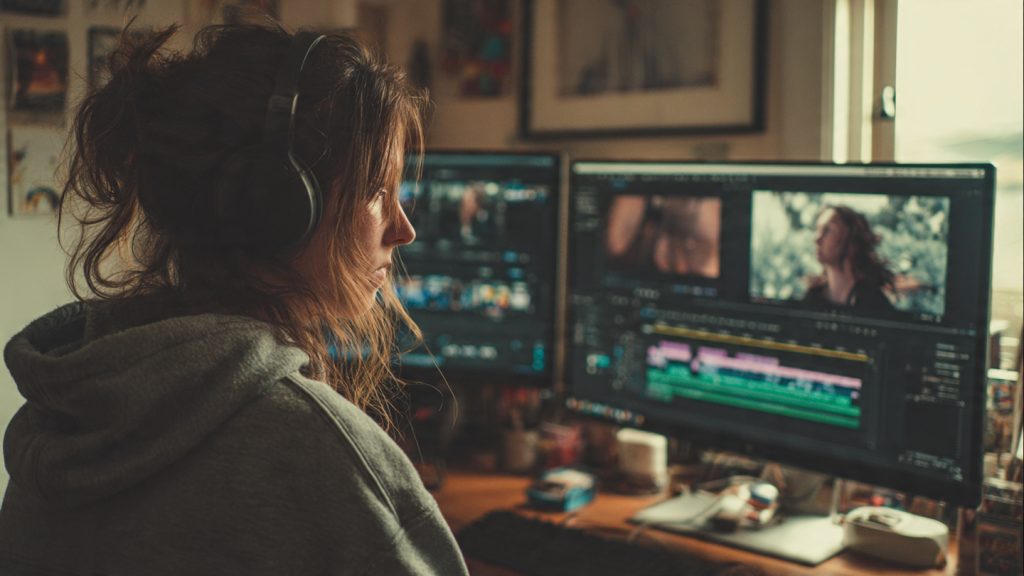
A dramatic opening scene may work beautifully as a teaser. A strong chorus visual may work better as a vertical short. A narrative fragment may work well in a story sequence. A performance-focused shot may be ideal for reposts from collaborators or niche music pages. Think like an editor, but also like a strategist. Each cut should serve a different point in the rollout.
This is how one video becomes multiple promotional assets without feeling chopped into meaningless scraps.
Your Thumbnail Is Doing More Work Than You Think
Artists often obsess over the video itself and forget the tiny image that determines whether anyone clicks on it in the first place. That is a mistake with surprisingly expensive consequences.
A thumbnail is not decoration. It is the visual headline of your video. It competes in search results, suggested videos, channel pages, embeds, articles, and social previews. If it looks weak, generic, dark in the wrong way, cluttered, or emotionally flat, you are bleeding potential attention before the campaign has even had a chance.
The best thumbnails are immediate. They communicate mood in a fraction of a second. They feel intentional. They make the video look like something worth entering. For music videos, this often means choosing a frame with a clear focal point, expressive energy, strong contrast, and a sense of visual drama that reflects the song.
The thumbnail should not merely represent the video. It should sell the click without looking like a cheap trick.
Premieres Can Still Create Event Energy
In an era of endless uploads, the idea of a premiere remains valuable for one reason: it creates a moment.
A premiere signals that the video is not just being published, but presented. That small distinction can change the tone of the release. It allows you to build countdown language, remind followers of a specific time, and frame the drop as something communal rather than disposable.
This works especially well when the audience has already been warmed up through teasers and snippets. By the time the premiere begins, the video already has context. People know what is arriving. They have seen enough to care. The launch has gravity.
Even if the premiere does not generate enormous live numbers, it still helps structure the campaign. It gives you a precise focal point, a clean call to action, and a stronger story to tell across social media, email, articles, and direct outreach.
Treat the premiere like an opening night, not a technical setting
Too often, artists schedule a premiere and assume the feature itself will create interest. It will not. The premiere only works when it is supported. That means countdown posts, reminder stories, teaser clips, pinned posts, community messages, newsletter mentions, and a sense that this release actually matters.
Think of it less like uploading a file and more like opening the doors to a screening. The audience needs to know why they should show up at that specific moment.
Social Cutdowns Are Where the Real Reach Often Happens
The full music video may be the centerpiece, but social cutdowns are often what carry it into the wider ecosystem.
A cutdown is not just a shorter version of the video. It is a re-edited version designed for platform-native consumption. That distinction is everything. A beautiful widescreen sequence may look stunning on YouTube and completely lose its force in a vertical feed if it is not reframed or restructured properly.
Artists who understand this create cutdowns deliberately. They adapt the pacing, crop for the platform, choose moments that land fast, and build short edits that make sense on their own. They do not merely shrink the original video. They translate it.
Build different cutdowns for different types of attention
Some viewers need a quick hit. Others need an emotional tease. Others need a visually striking moment. Others respond better to text overlays, lyrical phrases, or context around the clip. That is why social cutdowns should not be treated as one universal edit.
Create a few distinct versions. One that leads with the strongest visual. One that leads with the song’s hook. One that feels cinematic. One that centers the artist on screen. One that works with captions. One that feels like a scene rather than a promo. These are not small differences. They dramatically affect how a clip behaves once it hits a feed.
This is where momentum is either extended or wasted. If the full video is released and no strong cutdowns follow, the campaign loses oxygen almost immediately.
The Repost Cycle Is What Prevents the Video From Dying After Day One
Most artists repost too little, too timidly, and for too short a time.
They assume that once the main post is live, repeating it will annoy people. In reality, most people did not see it the first time. And those who did may not have clicked. Repetition is not the enemy. Repetition without variation is.
A smart repost cycle keeps the video active without feeling stale. That means changing the angle, not just repeating the exact same message. One repost can focus on the concept behind the video. Another can highlight a particular scene. Another can share a quote or reaction. Another can center a still frame. Another can pull out a fan comment. Another can show a behind-the-scenes moment. Another can connect the video back to the song’s wider story.
The point is to keep giving the audience fresh entry points into the same core asset. That is how momentum stretches instead of collapsing.
Think in phases, not in one burst
The first phase is anticipation. The second is launch. The third is reinforcement. The fourth is continuation. Most artists stop after phase two.
That is exactly why so many music videos feel bigger in the imagination than they do in the actual numbers. The asset is strong enough. The cycle around it is weak. A proper repost rhythm lets the video breathe in public long enough to accumulate real value.
Article Support Gives the Video Context and Staying Power
This is the part many artists overlook, even though it can dramatically increase the campaign’s depth.
A music video supported by an article almost always has a better chance of lasting beyond the immediate social cycle. Why? Because an article slows people down. It gives the release a frame. It turns the video into a story, not just a link.
An article can explain the concept behind the visuals, explore the meaning of the song, highlight the artistic direction, mention collaborators, and give the audience something richer to engage with than a caption. It also gives you another shareable asset for your website, newsletter, press page, and search visibility.
This matters because music video promotion should not depend entirely on fast feeds. Social media is useful for bursts of attention. Articles are useful for durability. Together, they work far better than either one alone.
Embed the video where the story can breathe
A clean article page with the embedded music video, a compelling write-up, still images, and clear links can become the campaign’s home base. It gives journalists, fans, curators, and first-time listeners a proper place to land. It also creates a more premium feeling around the release. The video no longer appears as a floating post. It becomes part of an editorial presentation.
That kind of support can be especially valuable for independent artists who want their release to feel bigger than its budget.
Behind-the-Scenes Content Can Revive the Campaign
One of the easiest ways to extend a music video rollout is to show what happened around the final product. A behind-the-scenes photo, a location clip, a directing note, a styling detail, a funny moment from set, or a short explanation of how a scene was created can all give the campaign a second wind.
This works because people often become more invested once they understand the effort, intention, and texture behind a video. The finished piece creates admiration. The making of it creates connection.
It also gives you more content without forcing the campaign into artificial repetition. Instead of shouting “watch my video” again, you are offering the audience another way into the release.
Do Not Let the Video Live in One Format Only
A common mistake in music video promotion is assuming the full YouTube link is the campaign. It is not. It is one expression of the campaign.
Your video should exist as a premiere, a main upload, a set of short-form cuts, still images, thumbnail-driven previews, article embeds, behind-the-scenes content, repost variations, and emotional or narrative fragments that work in different environments. The more intelligently you translate the video across formats, the more value you extract from the asset you created.
This does not mean being everywhere at once in a chaotic way. It means understanding that each format serves a different promotional role. Long-form viewing, short-form discovery, editorial framing, visual branding, and repeat social circulation all belong to the same ecosystem.
Momentum Is Usually Lost in the Week After Release
This is where artists need to be especially careful. A music video often gets a concentrated push on day one and then starts fading precisely when it should still be climbing. That drop-off is rarely inevitable. It usually reflects a lack of rollout planning after launch.
The week after release should still be active. Not frantic, but active. More snippets. More reposts. More story angles. More cutdowns. More context. Maybe an article. Maybe a behind-the-scenes reveal. Maybe a fan reaction repost. Maybe a still-frame carousel. Maybe a pinned post update. The point is to keep the video culturally alive inside your own ecosystem long enough for it to gather real traction.
A good music video deserves more than a weekend.
A Music Video Should Extend the Life of the Song, Not Briefly Decorate It
That is the real test. Did the video deepen the release, or did it just briefly accompany it?
When promoted properly, a music video can refresh a song’s momentum, bring new listeners into the campaign, strengthen your visual identity, create better-performing short-form content, and give the release a second layer of meaning. It can make the song feel bigger, more memorable, and more alive.
When promoted poorly, it becomes an expensive post with a short shelf life.
The difference lies in structure. Teasers create anticipation. Snippets create curiosity. Thumbnails create clicks. Premieres create event energy. Social cutdowns create reach. Reposts create longevity. Articles create context. Behind-the-scenes content creates connection.
Put together, these elements turn a video into more than a one-off upload. They turn it into a momentum system.
Promotion Should Match the Effort of the Video Itself
Artists often work hard on the creative side and rush the release side. That imbalance is costly. If you spent time shaping the look, the performance, the scenes, the editing, and the atmosphere of a music video, it deserves a rollout that is just as deliberate.
You do not need a giant team to do this well. You need a plan. A sequence. A few good edits. A strong thumbnail. A proper premiere strategy. A repost rhythm. A home base for the release. A little patience. And above all, the willingness to treat the video as a campaign asset rather than a single link.
Because in the current music landscape, the artists who get the most from their visuals are not always the ones with the biggest budgets. They are usually the ones who understand how to keep the momentum alive after the upload button has done its tiny, insufficient part.