
For years, independent artists have been told that streaming gives them global access. Technically, that is true. A song uploaded from a bedroom studio can reach listeners in Los Angeles, London, Berlin, Tokyo or São Paulo within days. But access is not the same as leverage. Visibility is not the same as bargaining power. And distribution is not the same as fair compensation.
That tension sits at the heart of the Protect Working Musicians Act of 2026, a proposed U.S. bill designed to give independent musicians, songwriters, producers and small labels more collective power when dealing with major streaming platforms and generative AI companies. The bill reflects a growing belief across the music industry: individual creators are being asked to negotiate inside a system where the biggest platforms, labels and technology companies hold most of the structural advantage.
A New Legal Push for Independent Music Creators
The Protect Working Musicians Act of 2026 aims to address one of the most difficult realities of the modern music economy. Independent creators often operate alone, with limited legal, financial and commercial resources. On the other side of the table are global streaming platforms, large technology companies and AI developers with enormous market power.
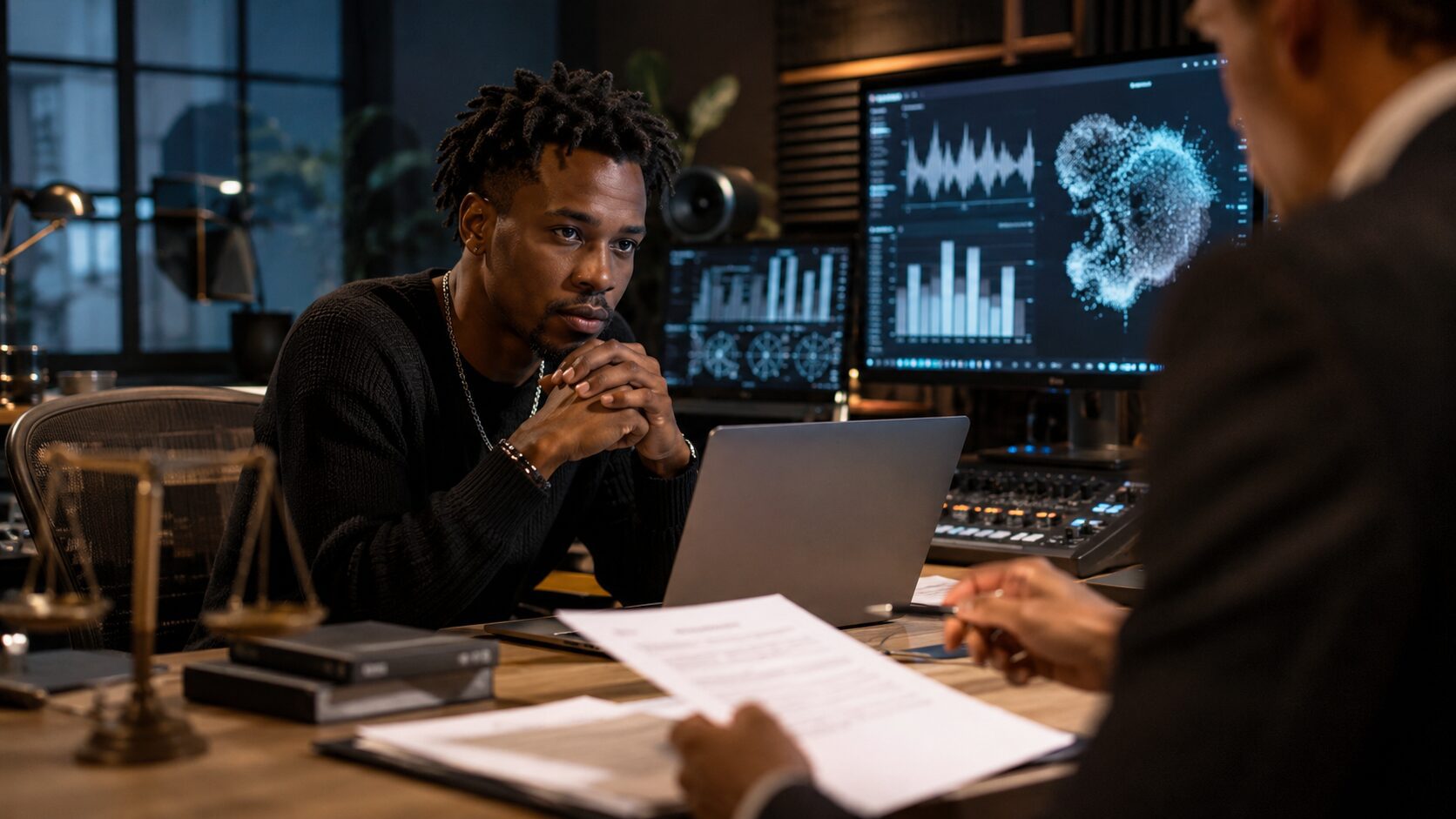
The purpose of the bill is to allow small independent music creators to collectively negotiate terms with dominant online music platforms and generative AI companies. In simple terms, it would make it easier for independent artists to join forces when negotiating over how their music is distributed, licensed, used and compensated.
This matters because antitrust law can make collective negotiation complicated. In many industries, independent workers who try to bargain together can risk being treated as competitors coordinating their behavior. The proposed legislation seeks to create legal protection for certain music creators, allowing them to negotiate collectively without being penalized under antitrust rules.
For independent artists, that shift could be significant. Instead of accepting take-it-or-leave-it terms from powerful digital platforms, creators could potentially organize around better rates, clearer licensing conditions, stronger transparency and more control over how their work is used.
Streaming Changed Access, But Not Necessarily Power
The streaming era has transformed music distribution. Before streaming, getting music into stores, radio rotations or international markets required infrastructure that most independent artists simply did not have. Today, digital distributors have made global release possible for almost anyone.
But the economics of streaming remain deeply controversial. Most independent artists understand the paradox very well: their music can be available everywhere, while the income generated from that availability remains extremely limited. A song can travel across the world and still produce only modest revenue unless it reaches very large numbers of streams.
This is not simply a technical problem. It is a power problem. Streaming platforms control access to listeners, playlist ecosystems, recommendation systems, payment structures and data visibility. Labels and distributors often control another layer of rights, splits and reporting. Artists, especially independent ones, are frequently the last participants to see meaningful revenue from the chain.
The Protect Working Musicians Act of 2026 does not magically solve every issue in streaming. But it points directly at the structural imbalance behind the debate. The question is no longer only whether streaming pays enough per stream. The deeper question is whether independent creators have any real power to influence the terms of the marketplace.
AI Has Made the Debate More Urgent
The rise of generative AI has added a new layer of pressure. Streaming already raised questions about value, compensation and control. AI now raises even broader questions about consent, training data, voice replication, style imitation and the future of creative labor.
Many artists fear that their work can be used to train AI systems without permission, without transparency and without payment. This concern is especially intense in music, where AI tools can generate songs, vocals, instrumentals and stylistic approximations at speed and scale. For independent creators, the fear is not abstract. It touches the core of their economic identity.
If an AI model can absorb existing music, imitate patterns and produce competing content, the question becomes unavoidable: who gets paid when human creativity becomes training material?
The Protect Working Musicians Act of 2026 directly connects streaming platforms and AI developers because both sit inside the same broader digital economy. Both depend on access to creative works. Both can scale globally. Both can extract enormous value from music catalogs. And both raise difficult questions about whether individual artists are capable of negotiating fair terms alone.
The Real Issue: Who Captures the Value?
The modern music industry is not short of money. Streaming revenues have grown globally, subscription numbers continue to rise, and music remains central to social media, video platforms, gaming, advertising and AI development. The problem is not whether music has value. The problem is how that value is distributed.
Artists create the original cultural asset. Platforms provide access and infrastructure. Labels often provide investment, marketing and catalog management. Distributors handle delivery and reporting. Publishers and collecting societies manage rights. AI companies may use music to train systems or generate new outputs. Each participant claims a role in the chain.
The independent artist sits inside this chain with the least leverage. Even when the artist owns the master, writes the song, funds the recording, manages the promotion and builds the audience, the terms of monetization are often shaped elsewhere.
This is why the Protect Working Musicians Act of 2026 is important beyond its immediate legal details. It reframes the streaming debate. It suggests that fairness cannot be reduced to a slightly better payout rate or a new dashboard feature. Fairness also requires negotiating power.
Why Collective Negotiation Matters
Collective negotiation is powerful because it changes the scale of the conversation. One independent artist asking a major platform for better terms has almost no leverage. Thousands of creators asking together represent a very different kind of pressure.
In practice, collective negotiation could open the door to discussions around royalty structures, licensing terms, transparency standards, AI training consent, data access, content moderation, dispute resolution and compensation models. It could also give independent artists a more unified voice in policy debates that are often dominated by large companies and major rights holders.
This does not mean every independent artist would suddenly operate like a major label. It means they could potentially participate in negotiations as a recognized group rather than as isolated individuals. In an economy built around scale, that distinction matters.
The music industry has always relied on collective systems in some form. Performing rights organizations, unions, guilds, collecting societies and trade associations all exist because individual creators often need shared structures to defend their interests. The Protect Working Musicians Act of 2026 belongs to that same broader logic, updated for streaming and AI.
A Symbolic Bill, But Also a Strategic Signal
Like many proposals in Washington, the bill may face a difficult path. Music policy, antitrust law, copyright, technology regulation and platform economics are complex areas. Any measure that affects large streaming companies or AI developers will likely face intense scrutiny and lobbying.
Even if the legislation does not move quickly, its symbolic importance is real. It shows that the concerns of independent artists are moving from online debate into formal political discussion. It also shows that AI has accelerated the urgency of music rights reform.
For years, many artists complained that streaming economics were unfair, but the debate often stayed trapped in frustration. The arrival of AI has changed the tone. The issue is no longer only about low payouts. It is also about consent, control, attribution and the possibility that creative work could be absorbed into new systems without meaningful negotiation.
That makes the Protect Working Musicians Act of 2026 more than a streaming bill. It is part of a wider battle over the future status of human creativity in digital markets.
What This Could Mean for Independent Artists
For independent artists, the most important lesson is not to wait passively for platforms to fix the system. The music economy is changing, and artists need to understand rights, licensing, data, contracts and community building more seriously than ever.
A stronger legal framework could help, but artists also need to build leverage in practical ways. That means developing direct fan relationships, owning as many rights as possible, keeping clear metadata, avoiding exploitative promotion schemes, understanding distributor terms and treating music as both creative work and intellectual property.
The future independent artist will not only be a creator. They will also need to be a rights manager, a community builder and a strategic publisher of their own work. Not exactly the romantic fantasy of making beats in a dimly lit studio, but welcome to the music business, where even inspiration has paperwork.
The Protect Working Musicians Act of 2026 gives this reality a political dimension. It says that independent artists should not have to face global platforms and AI developers completely alone.
The Bigger Industry Shift
The bill also reflects a broader shift in how the industry defines value. In the early streaming era, the main focus was access. Could artists get their music onto platforms? Could listeners find everything in one place? Could piracy be reduced through convenience?
Today, the question has moved beyond access. The new focus is fairness. Who controls the data? Who sets the price? Who decides how music is recommended? Who benefits from AI training? Who has the power to negotiate? Who is protected when creative work becomes infrastructure for someone else’s technology?
These questions will shape the next decade of music policy. Streaming platforms are no longer neutral shelves where music sits. They are powerful economic systems. AI companies are no longer distant technology firms. They are becoming active participants in the creative economy. Independent artists are no longer just users of these systems. They are rights holders whose work gives those systems cultural and commercial value.
Conclusion: The Streaming Debate Is Becoming a Power Debate
The Protect Working Musicians Act of 2026 arrives at a crucial moment for the music industry. Streaming has matured, AI is accelerating, and independent artists are demanding a more meaningful role in the systems built around their work.
The bill may not transform the industry overnight. It may face political resistance, legal complexity and slow progress. But its message is clear: independent music creators need more than exposure. They need leverage.
The future of music will not be decided only by platform growth, subscription numbers or algorithmic recommendations. It will be decided by who has the right to negotiate, who receives fair compensation, who controls creative data and who benefits when music becomes part of a much larger technological economy.
For independent artists, this is the real regulatory turning point. The question is no longer simply how many people are listening. The question is who owns the value created when they do.