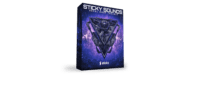
Blueprint: Textural Pianos is a free Kontakt Player library developed by Fracture Sounds for composers and producers looking for evolving acoustic and electric piano textures.
The instrument includes 20 pre-recorded performances that can be combined through a flexible layering engine. With more than 1,000 possible combinations, it moves beyond conventional piano sampling and provides atmospheric material for cinematic music, ambient production, electronic tracks and experimental sound design.
What Is Included?
Blueprint: Textural Pianos combines acoustic and electric piano performances inside the Fracture Sounds Layer Blends engine. Each performance can be selected, combined and processed to create new textures.
- 20 pre-recorded piano performances
- Acoustic and electric piano sources
- More than 1,000 possible layer combinations
- Eight factory presets
- Global Attack and Release controls
- High-pass and low-pass filters
- Built-in delay with additional settings
- Built-in reverb with several controls
- Shuffle function for generating new combinations
- Full NKS support
- Compatibility with the free Kontakt Player 8
The complete download is approximately 2.35 GB, compressed from a 5 GB sample pool. This makes it a substantial free instrument rather than a small demonstration patch.
How the Layer Engine Works
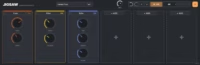
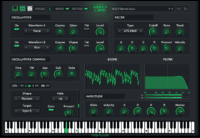
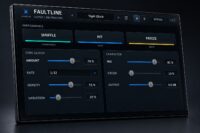
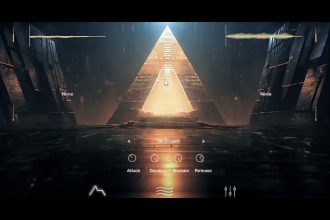
The interface allows several piano performances to be combined into a single playable sound. Each layer can be soloed or locked independently.
Locking a layer prevents it from changing when the central Shuffle control is used. Producers can therefore preserve one useful piano performance while allowing the remaining layers to generate new combinations.
This workflow is particularly effective when searching for inspiration. Instead of browsing hundreds of traditional presets, users can create new textures by combining different performances and then shaping the result with filters, envelopes and effects.
Acoustic and Electric Piano Textures
The library does not focus on reproducing one perfectly clean concert piano. Its purpose is to explore movement, interaction and texture across several acoustic and electric keyboard performances.
Some combinations can produce soft and intimate piano layers, while others become more abstract, rhythmic or atmospheric. The electric piano sources introduce additional warmth and tonal variation, making the instrument useful outside conventional cinematic scoring.
The included envelope controls can turn longer performances into softer pads or more immediate keyboard parts. High-pass and low-pass filters help remove unnecessary frequencies before the sound enters the wider arrangement.
Best Uses
Cinematic Music
Blueprint: Textural Pianos is well suited to film, documentary and game scoring. Its layered performances can create emotional backgrounds, mysterious introductions and evolving harmonic beds.
Use widely spaced chords and allow the textures to develop naturally. Simple harmony often works better than dense piano writing when several performances are already interacting.
Ambient and Experimental Production
The instrument can generate evolving pads and abstract keyboard textures for Ambient, Drone and experimental electronic music.
Increase the Attack and Release controls for smoother transitions between notes. Slow filter automation can add movement without introducing another instrument.
Melodic House and Downtempo
The electric piano layers can also support Melodic House, Chillout and Downtempo tracks. Shorten the release and reduce the built-in effects when using the library for rhythmic chord progressions.
A quieter atmospheric layer can be placed behind a cleaner piano or pluck to add depth while preserving the main melody.
Lo-Fi and Alternative Pop
The more intimate performances can work in Lo-Fi, Indie and Alternative Pop arrangements. Render a chord progression to audio, then reverse, stretch or pitch selected sections to create custom samples.
Textural piano recordings can become especially useful when the production needs character but another vinyl crackle would be considered excessive even by the vinyl crackle.
Production Tips
Lock your favourite layer: Preserve one useful performance before using the Shuffle function to explore new combinations.
Reduce long effects: Large delays and reverbs may sound impressive alone but can occupy too much space behind vocals and drums.
Protect the low end: Use the high-pass filter when the piano textures interfere with the kick, bass or orchestral low frequencies.
Resample evolving performances: Record long notes and chords, then edit the most expressive sections as audio.
Use simple voicings: Open chords give the individual piano layers more space to interact clearly.
Compatibility and Installation
Blueprint: Textural Pianos runs in the free Kontakt Player version 8 or later. The full paid version of Kontakt is not required.
The library is installed and activated through Native Access 2. A Fracture Sounds account and a free Native Instruments account are required to complete the installation.
Full NKS support provides integration with compatible Native Instruments Komplete Kontrol keyboards, including preset browsing and hardware parameter control.
Kontakt Player can run inside compatible DAWs on Windows and macOS, including Studio One, Ableton Live, FL Studio, Logic Pro, Cubase, Reaper and Bitwig Studio.
Official Preview
Final Verdict
Blueprint: Textural Pianos is an excellent free Kontakt Player library for composers and producers who need more than a traditional piano sound.
Its 20 performances, flexible layer engine, shuffle system and onboard effects provide enough depth for cinematic scoring, ambient music, Lo-Fi, Downtempo and electronic production.
The library is large enough to feel complete but remains easy to navigate. With more than 1,000 combinations available, the main challenge may be remembering that the objective was to compose something rather than press Shuffle until dinner.
Download Blueprint: Textural Pianos from the official website:
https://fracturesounds.com/product/blueprint-textural-pianos/