
TetraOP by Tilr: A Free Wavetable FM Synth Plugin for Hybrid Sound Design
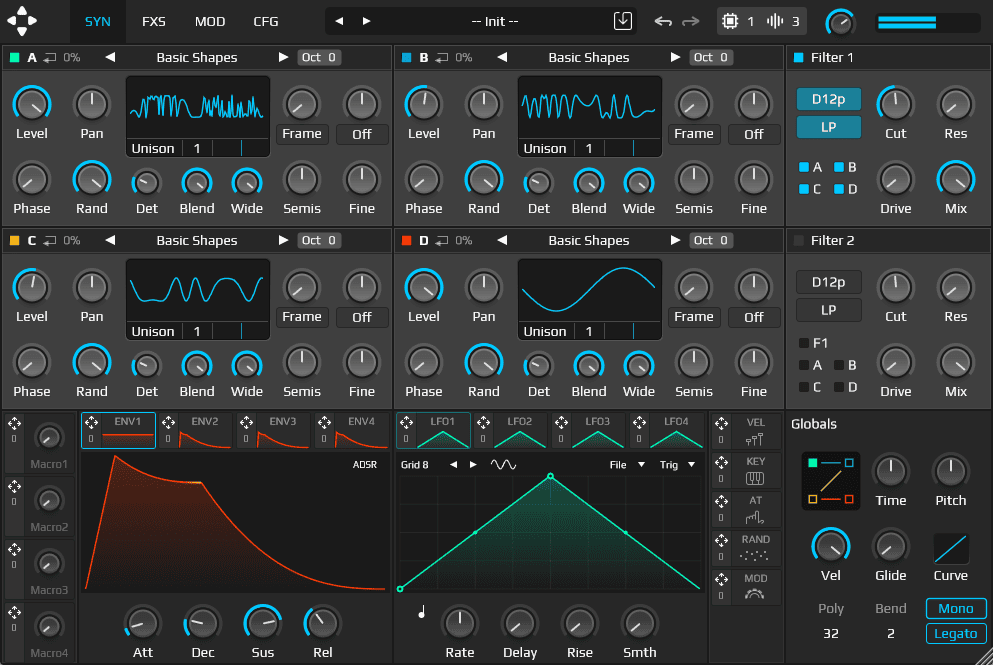
TetraOP by Tilr is a free VST plugin for producers who want a modern hybrid synth that combines wavetable synthesis, FM routing, ring modulation, unison and flexible modulation in one compact instrument. Developed by TiagoLr, also known as Tilr, the plugin was released as an open-source synth and is available through the official GitHub repository.
This is not another basic subtractive synth wearing a new jacket and pretending to be revolutionary at the buffet. TetraOP is built around four operators that can act as wavetable oscillators, FM operators or ring modulation sources, making it useful for basses, metallic keys, digital pads, evolving leads, experimental textures and sharper electronic sounds.
What Is TetraOP by Tilr?
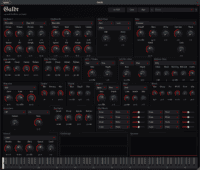
TetraOP is a free wavetable FM synthesizer plugin created by Tilr. The developer describes it as a wavetable synth with four oscillators, FM, unison, ring modulation and more.
The instrument takes inspiration from Ableton Operator while expanding the concept into a hybrid wavetable and FM environment. Each operator can be part of a classic wavetable setup, an FM structure or a more experimental modulation design.
Official website: Visit the TetraOP GitHub repository
Download: Download TetraOP from GitHub Releases
Core Concept
TetraOP is built around four operators. In a traditional FM synth, operators generate or modulate sound. In TetraOP, that idea is expanded with wavetable-based synthesis, ring modulation, unison and routing flexibility.
This makes the plugin useful for producers who want digital tones with movement. It can create bright FM-style keys, animated basses, sharp electronic leads, strange metallic textures, evolving pads and hybrid tones that sit between classic FM and modern wavetable synthesis.
The synth is not designed to be the simplest beginner instrument in the world. Its strength is sound design depth. Producers who enjoy routing, modulation and building unusual digital tones will get the most from it.
Main Features
- Free wavetable FM synth plugin
- Four operators with FM and ring modulation routing
- Wavetable-based synthesis
- 10 predefined FM layouts
- FM and RM routing matrix
- 16 unison voices per operator
- 5 unison modes
- 8 phase distortion modes
- 2 filters with 5 types and 4 modes each
- Drag-and-drop modulation system
- Envelopes, LFOs, macros and other modulation sources
- Open-source GPL-3.0 license
Sound and Creative Direction
TetraOP has a digital, flexible and slightly technical character. It is well suited to producers who enjoy the sharper side of synthesis: FM bells, glassy plucks, metallic stabs, animated basses, phase-distorted leads and evolving synthetic layers.
The wavetable side gives the synth a broader tonal range than a strict FM instrument. The FM and ring modulation routing adds bite, movement and complexity. The unison section helps turn simple oscillator tones into wider and more powerful sounds.
This combination makes TetraOP especially relevant for electronic music production, IDM, techno, electro, synthwave, cinematic sound design, ambient music, game scoring and experimental beatmaking.
Key Sound Design Areas
Four Operators
The four-operator structure is the foundation of TetraOP. Each operator can contribute to the final sound directly or become part of a modulation network. This makes the synth more flexible than a simple four-oscillator plugin.
For producers, this means a patch can start as a basic wavetable tone, then become more complex through FM and ring modulation. A simple pluck can become metallic. A bass can gain growl. A pad can develop digital motion across time.
FM and Ring Modulation Routing
TetraOP includes 10 predefined FM layouts and an FM and RM routing matrix. This gives users both quick starting points and deeper routing options.
FM synthesis can be unforgiving when pushed too far, but it is also one of the best ways to create bright, precise and harmonically rich sounds. Ring modulation adds another layer of movement and instability, useful for more experimental tones.
Wavetable Synthesis
The wavetable engine gives the plugin a modern sound design base. Instead of relying only on sine-based FM behavior, TetraOP can work with changing waveforms and more complex oscillator shapes.
This is useful for producers who want FM-style movement but also need wavetable weight, width and tone variation. The result can be cleaner, thicker or stranger depending on the routing and modulation choices.
Unison
Each operator supports up to 16 unison voices, with 5 unison modes available. This is important for making digital sounds feel larger and more alive.
Unison can turn a thin lead into a wide hook, a simple bass into a heavier layer or a pad into something more cinematic. Used carefully, it adds size. Used badly, it becomes stereo fog, the old enemy in a slightly expensive coat.
Phase Distortion
The plugin includes 8 phase distortion modes. This gives TetraOP another way to bend and reshape oscillator tone before the sound reaches the filters and modulation system.
Phase distortion is especially useful for sharper digital sounds, synth brass, aggressive keys and hybrid tones that need extra bite without relying only on distortion effects.
Filters
TetraOP includes two filters, each with 5 types and 4 modes. This gives producers more control over tone shaping after the oscillator and modulation stages.
Filters are especially important in a synth like this because FM and wavetable sources can become bright quickly. A controlled filter section helps place the sound in a mix, tame harshness or create movement through automation.
Modulation System
The drag-and-drop modulation system is one of the plugin’s most practical features. It allows envelopes, LFOs, macros and other sources to shape parameters without forcing producers into endless menu diving.
This makes TetraOP more usable in real sessions. The sound engine may be deep, but fast modulation assignment helps keep the workflow musical.
Compatibility and Technical Requirements
TetraOP is available for macOS, Windows and Linux. The reported plugin formats include AU, VST3 and LV2. The official GitHub repository also provides releases for download.
The plugin is an instrument, not an audio effect. It should be loaded on an instrument track inside a compatible DAW.
- Plugin type: virtual instrument synth
- Formats: AU, VST3 and LV2
- Operating systems: macOS, Windows and Linux
- Standalone version: not clearly stated in the official README
- Source code: available on GitHub
- License: GPL-3.0
Who Should Use TetraOP?
TetraOP is best suited to producers who enjoy synthesis and want a free synth plugin with deeper routing than a basic subtractive instrument. It is especially interesting for sound designers who like FM, wavetable movement and more technical patch building.
- Electronic producers looking for hybrid FM and wavetable sounds
- Techno producers needing metallic stabs, basses and digital motion
- Synthwave producers looking for sharp keys and animated leads
- Ambient composers building evolving synthetic textures
- Game composers looking for unusual digital tones
- Sound designers who enjoy routing, modulation and experimentation
- Home studio users looking for a free VST plugin with real depth
Creative Applications
For bass design, start with one or two operators and keep the routing simple. Add unison only after the core tone works. FM basses can become powerful quickly, but they also need careful low-end control.
For bell and key sounds, use FM routing with short envelopes and moderate modulation depth. This is where TetraOP can deliver clean digital attacks, glassy tones and classic FM-style sparkle.
For pads, use wavetable movement, slower envelopes and subtle modulation. Add unison for width, then filter the top end if the patch becomes too sharp.
For experimental textures, combine ring modulation, phase distortion and LFO movement. TetraOP is strong when it is allowed to behave slightly strangely, as long as the output level remains under adult supervision.
Download and License Details
TetraOP is available as a free download from the official GitHub Releases page. The repository lists the project as GPL-3.0 licensed.
The GPL-3.0 license governs the software code and redistribution conditions. The repository does not state any special restriction on music created with the plugin. Users who modify, redistribute or include the software itself in other projects should read the license terms carefully.
Official repository: https://github.com/tiagolr/tetraop
Releases page: https://github.com/tiagolr/tetraop/releases
Production Tips
Start with the predefined FM layouts before building your own matrix routing. This helps you understand how the operators interact before the synth starts behaving like a small modular laboratory.
Keep FM modulation depth under control when designing basses. Too much modulation can make the sound exciting in solo but difficult to mix with a kick.
Use unison selectively. Wide sounds can be beautiful, but too much width on every patch can weaken the center of the mix.
For leads, automate macros instead of constantly changing individual parameters. This keeps the performance musical and makes arrangement changes easier inside the DAW.
For ambient textures, use slow LFO movement and filter automation. TetraOP can create evolving digital layers that work well behind piano, drones, pads or cinematic percussion.
Industry Context
Free VST plugins have become more ambitious in recent years. TetraOP is a good example of that shift. It is not just a simplified beginner synth. It is a serious open-source instrument with wavetable synthesis, FM routing, ring modulation, unison, phase distortion and a flexible modulation system.
That matters because independent producers now expect free tools to be useful, not merely educational. A synth like TetraOP can become part of a real sound design workflow, especially for producers who are comfortable shaping their own patches.
The plugin also shows the continued importance of community-driven development. Open-source instruments give producers access to creative tools while also letting developers share ideas, receive feedback and build outside the usual commercial plugin cycle.
Final Verdict
TetraOP by Tilr is a strong free wavetable FM synth plugin for producers who want deeper digital synthesis without paying for another commercial instrument. Its four-operator structure, FM and ring modulation routing, unison, phase distortion, filters and drag-and-drop modulation system make it a serious tool for sound design.
The plugin is especially useful for electronic music, techno, ambient, synthwave, game music and experimental production. It may not be the fastest synth for total beginners, and the developer notes some limitations such as no wavetable editor and no full preset browser, but the core engine is capable and distinctive.
For producers looking for a free VST plugin, a free wavetable synth plugin or a free FM synth with modern sound design depth, TetraOP is a highly interesting download from Tilr.