
YouTube Ends Paid Music Licenses in Creator Music
YouTube is phasing out paid song licenses inside Creator Music and shifting the service toward no-cost tracks and revenue-sharing. The change removes one of the platform’s clearest direct licensing options for creators.
Key facts
- Paid Creator Music licenses stopped being available for new purchases after August 10, 2026.
- Licenses already applied to videos remain valid until they expire.
- Unused paid licenses purchased before the deadline are set to be refunded automatically.
- Creator Music is shifting toward tracks available at no cost and tracks offered under revenue-sharing terms.
- The service remains limited to eligible creators in the United States YouTube Partner Program, with wider expansion still pending.
YouTube is simplifying Creator Music, but the change also removes a licensing model that many creators understood immediately: pay once, use the track, keep the agreed monetization rights.
Starting in August 2026, YouTube began phasing out paid music licenses in Creator Music. The platform says the service will now focus on tracks available at no cost and on music made available through revenue-sharing arrangements set by rights holders.
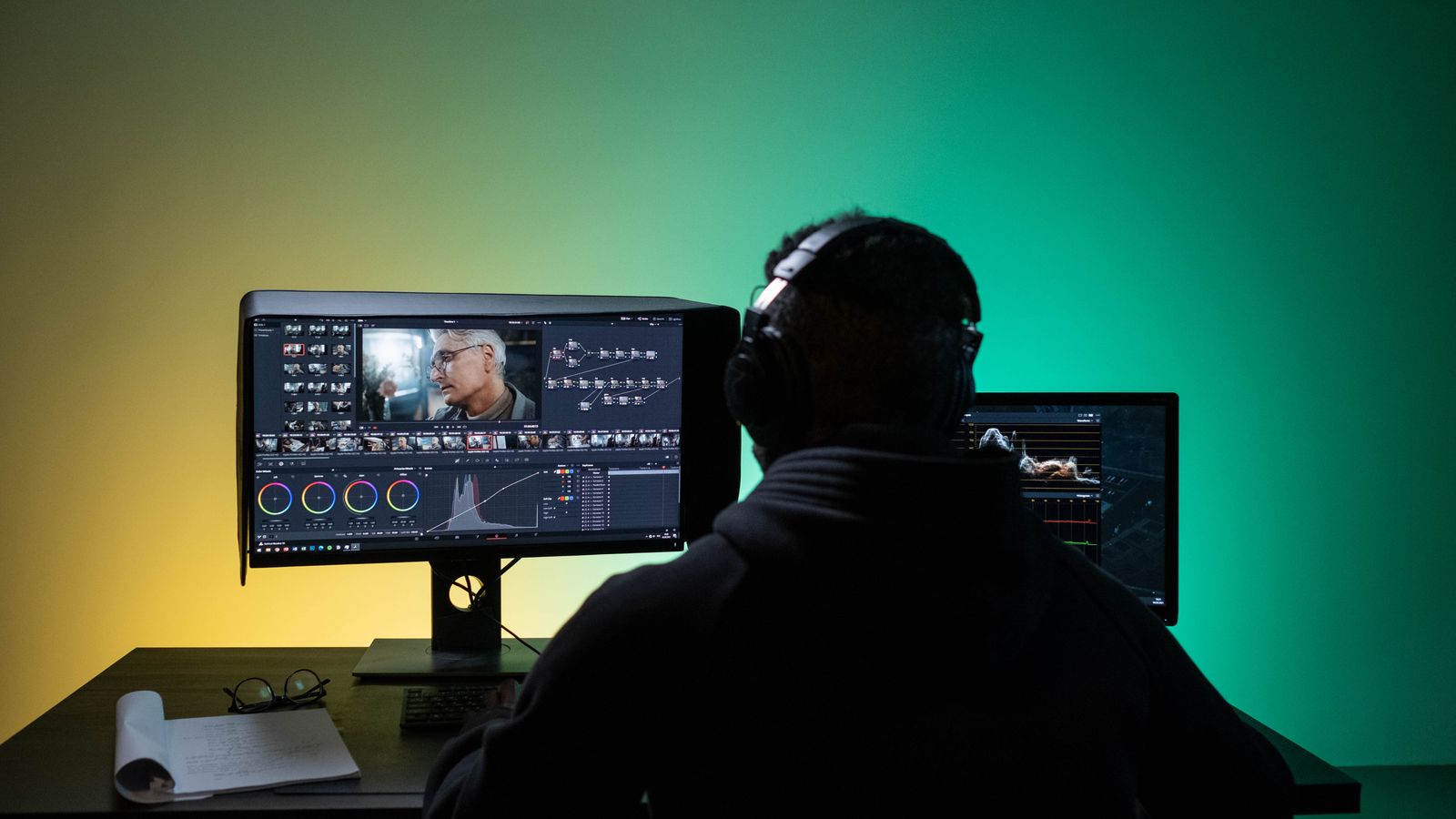
Photo: Ron Lach / Pexels
What Changed on August 10
YouTube gave creators until August 10, 2026 to continue buying and using paid licenses in Creator Music. After that date, the paid licensing option entered retirement.
That does not mean existing licensed videos suddenly lose permission. Paid licenses already attached to videos continue until the end of their original terms. YouTube also says purchased licenses that were not used by the August 10 deadline will be refunded automatically.
For creators, the practical difference is simple. Future music choices inside Creator Music will increasingly come from two buckets: music that can be used at no direct licensing cost, and music where the creator shares part of the video’s revenue with the music rights holder.
Why Creator Music Mattered
Creator Music was designed to reduce one of the most frustrating parts of publishing on YouTube: finding music that could be used legally without automatically sacrificing monetization or risking a copyright claim.
The paid-license model was particularly easy to understand. A creator could pay an upfront fee for an eligible song under defined terms and then publish the video while retaining the monetization structure attached to that license.
For professional channels, branded content producers, filmmakers and independent media creators, that model offered predictability. The price was visible before publishing, the license terms were established in advance, and the creator did not need to calculate an ongoing revenue share.
Why it matters: YouTube is not removing licensed music from Creator Music. It is changing the economics. The platform is moving away from direct paid licensing and toward no-cost access and revenue-sharing arrangements.
Revenue Sharing Becomes More Important
Revenue sharing can make high-quality music easier to access because creators do not need to pay before a video earns anything. But it also changes how creators evaluate the cost of music.
An upfront license has a visible fixed price. Revenue sharing can cost very little on a video that performs modestly, but it can become far more valuable to the rights holder when a video becomes successful.
This aligns the interests of rights holders with the performance of creator content, but it also means music costs become tied to future success instead of being fully known at the time of publication.
Rights Holders Lose a Direct Paid Option
The change also affects labels, publishers and distributors that had been using Creator Music as a licensing storefront.
YouTube’s rights-holder guidance says that after the retirement of paid licenses, participating rights holders will be able to set no-cost licensing strategies instead of new paid ones. Existing licenses stay active through their terms, but the previous paid model cannot simply be renewed under the same structure.
For music companies, that reduces the number of monetization choices inside Creator Music. The upside is potentially wider adoption of songs by creators. The downside is the disappearance of direct transactional licensing inside the tool.
Photo: cottonbro studio / Pexels
A Simpler System, But Not Necessarily a Simpler Business Model
YouTube describes the transition as an effort to better align Creator Music with the preferences of creators and music partners. From a product perspective, fewer licensing formats can make the interface easier to understand.
Economically, however, the new structure creates a different calculation. Creators must now think more carefully about whether a song is truly no-cost or whether a revenue-sharing track is worth giving up part of a video’s income.
For smaller channels, revenue sharing may be attractive because it removes an upfront payment. For large channels with high advertising revenue, a fixed licensing fee could sometimes have been easier to budget.
Creator Music Is Still a Limited Product
Another important point is geographic scope. Creator Music is currently available to eligible creators in the United States who participate in the YouTube Partner Program. YouTube says expansion outside the United States is still pending.
That means this change does not yet redefine music licensing for every YouTube creator worldwide. But it does show how YouTube wants the product to work before any larger international rollout.
Audiartist analysis
The important story is not that YouTube is becoming less interested in licensed music. It is that YouTube appears to prefer licensing models that scale with creator activity and video revenue rather than one-off payments. That could be more flexible for creators, but it also gives rights holders a continuing economic relationship with successful videos.
What Creators Should Watch Next
The next question is whether the new Creator Music structure attracts more labels and publishers or causes some rights holders to make fewer tracks available.
If more music is offered under no-cost or revenue-sharing terms, creators may end up with a broader practical catalog even without paid licensing. If important catalogs pull back because upfront licensing is no longer available, the opposite could happen.
There is also the international question. Creator Music has been expected to expand beyond the United States for years. YouTube is now refining its licensing model before that wider rollout has happened.
Conclusion
YouTube’s decision to phase out paid Creator Music licenses is a meaningful shift in how the platform connects music rights holders with video creators.
The platform is keeping licensed music inside the creator economy, but changing how money flows. Instead of emphasizing upfront fees, Creator Music is moving toward free-use options and revenue-sharing models.
For creators, the key issue will be whether the new system gives them more usable music at a fair cost. For rights holders, the question is whether recurring participation in creator revenue proves more valuable than selling licenses one video at a time.