
Dr. Dre Embraces AI in Music as Producers Split Over the Technology
Dr. Dre has joined the growing list of major producers who see artificial intelligence as another tool rather than a replacement for human creativity. His comments arrive at a moment when the music industry is increasingly divided between creators who want to experiment with generative systems and those who believe the technology risks weakening authorship, originality and cultural value.

Photo: Riceblades / Wikimedia Commons, CC0.
What Dre is arguing
- AI can expand what a producer is able to create.
- The technology should be treated as a tool inside a human-led process.
- Dre joins figures such as Timbaland, Diplo and will.i.am in taking a broadly pro-experimentation position.
- Other artists and producers, including Jack Antonoff, Flying Lotus and SZA, have expressed much stronger concerns.
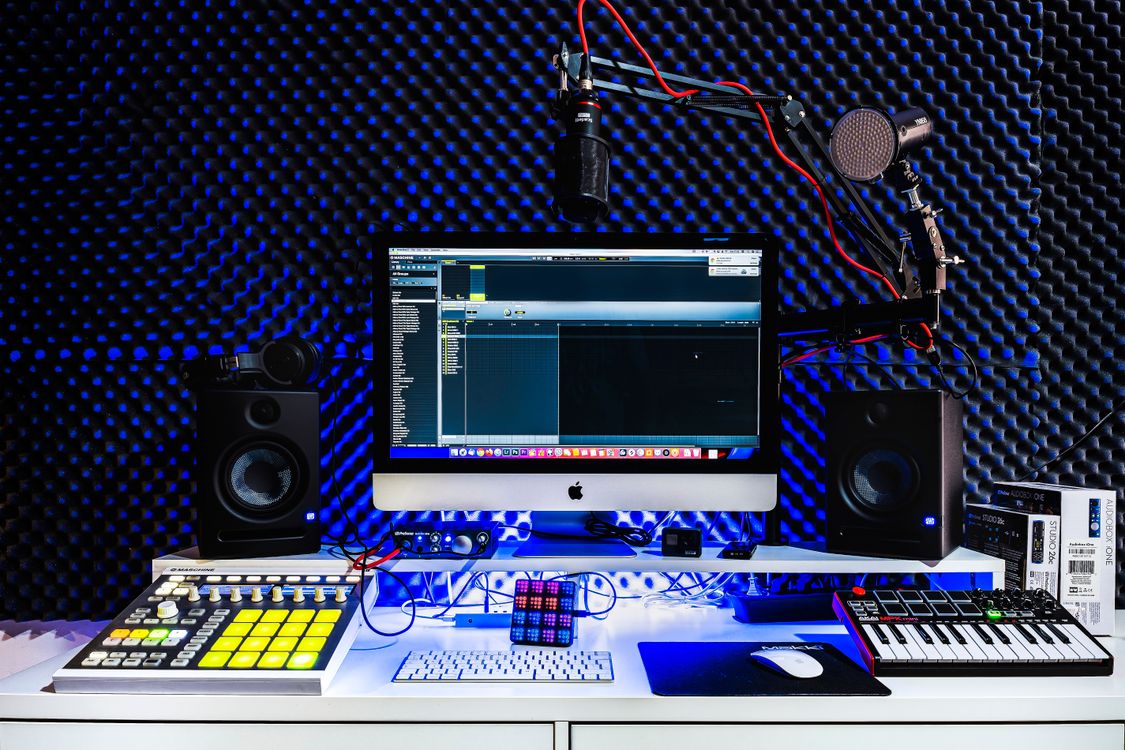
The argument is shifting from “AI or no AI” to “what kind of AI?”
For producers, the debate is becoming more nuanced than a simple yes-or-no position. Machine learning already sits inside many everyday tools used for source separation, mastering, noise removal, pitch correction and search. Generative systems create a different level of concern because they can produce vocals, arrangements and entire songs from prompts.
Dre’s position places responsibility on the producer. The technology can offer new material, but the creative value still comes from selection, direction, taste and editing. That view resembles earlier debates around samplers, Auto-Tune and digital production, where new tools initially triggered fears that technical shortcuts would replace musicianship.
Why some creators remain deeply skeptical
The strongest objections are not simply about whether AI can make something that sounds good. They concern the data used to train models, the ability to imitate recognizable voices and styles, and whether generated output competes with artists whose work helped build the system.
That is why two producers can both use advanced software yet disagree sharply about generative AI. One may see an intelligent assistant. Another may see a commercial system built from creative work without meaningful consent.
Producer takeaway: the most important distinction is not whether software is “AI.” It is whether the tool preserves human authorship, respects rights and gives creators meaningful control over the result.
Timbaland and will.i.am represent the experimental camp
Several high-profile producers have actively explored AI-native workflows and virtual artists. Their interest reflects a belief that the next generation of music creation will include interactive systems that can generate ideas at high speed.
For experienced producers, that speed can be attractive. A creator with strong musical judgment may use AI to audition concepts, generate variations or test arrangements without surrendering final control. In that model, AI becomes a sketchbook rather than the artist.
The backlash is also becoming more organized
Artists who oppose generative music are increasingly focusing on policy rather than simply criticizing the technology. Consent, attribution, compensation and voice protection are emerging as the central demands. Those issues are now appearing in lawsuits, union agreements, platform labeling rules and proposed legislation.
This means the industry may eventually settle on a middle position: AI tools remain available, but certain uses require licenses, disclosure or explicit permission.
What independent producers should do now
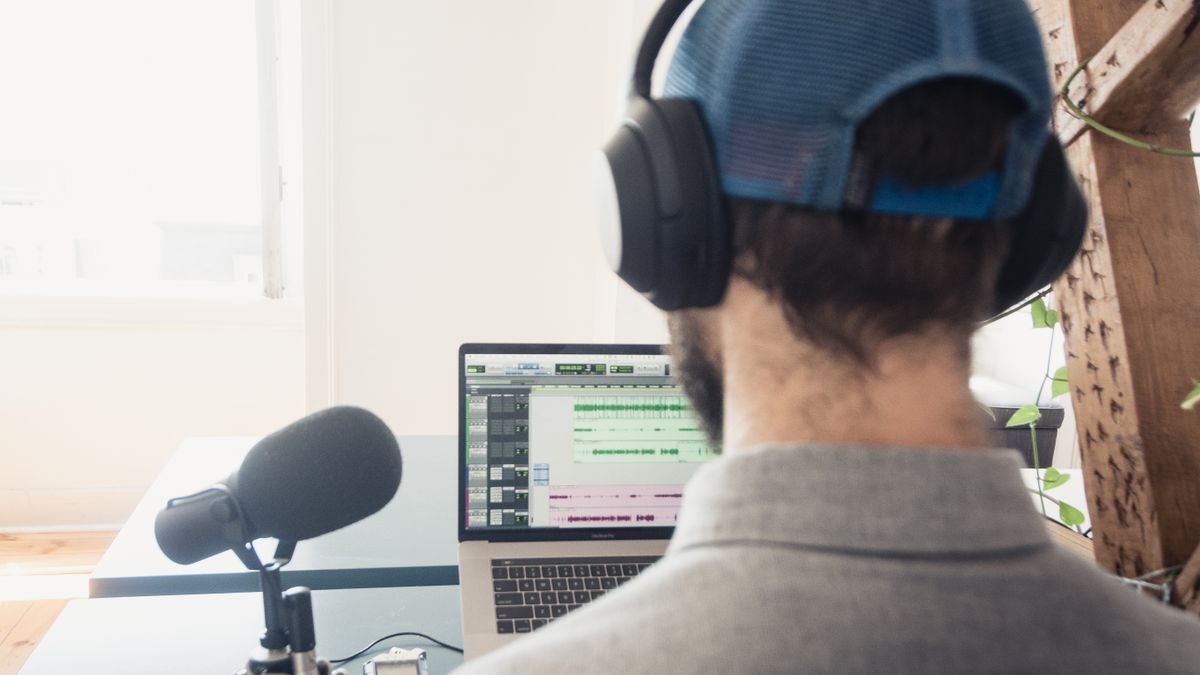
For independent artists, the practical question is less ideological. Producers need to know what a tool does with uploaded audio, whether training data is licensed, whether generated material can be used commercially and whether the service claims rights over outputs.
Documenting AI use is also becoming sensible. If a distributor, chart body, licensing partner or client later asks how a track was made, being able to explain which elements were human-performed and which were generated can prevent problems.
A creative split that will not disappear soon
Dre’s comments do not settle the argument. They show how divided the production community remains. The technology is moving quickly enough that creators are being forced to define their own limits before the legal and commercial rules are fully established.
The likely future is not a music industry that rejects AI completely or one that hands creativity over to algorithms. It is a contested middle ground where producers decide which tools deserve a place in the studio and under what conditions.
Source
Tom’s Guide: Dr. Dre weighs in on how he is using AI to make music