
This is the new reality of independent music. A song can begin in a bedroom studio and reach listeners on the other side of the world within weeks. That sounds simple, almost romantic. But behind every track that travels well, there is a workflow. Production, mixing, mastering, distribution, promotion, playlisting and video content are no longer separate stages handled by distant professionals. For many indie artists, they are part of the same daily system.
The home studio has become the creative headquarters. The release calendar has become the campaign room. The artist profile has become the storefront. Social video has become the public square. Playlists have become discovery corridors. Data has become the feedback loop. The independent artist who understands how these elements connect has a serious advantage.
In 2026, making music is only the beginning. The real challenge is building a workflow that can move a song from private creation to public momentum.
The Home Studio Is Now the First Professional Space
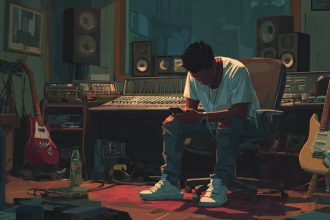
The home studio is no longer a compromise. For independent artists, it is often the heart of the entire operation. Songs are written, recorded, arranged, edited and sometimes fully mixed inside rooms that were never designed for the music industry, bedrooms, spare rooms, apartments, garages and small personal studios.
This shift has changed the psychology of production. Artists do not need to book expensive studio time to begin. They can experiment faster, revise more freely and build a sound over time. The creative process has become more flexible, more personal and more immediate.
But access also creates responsibility. A home studio can produce professional results, but only when the artist treats it with discipline. Good ideas still need clean recording, thoughtful arrangement, strong sound selection and careful listening. A weak vocal chain, untreated room, muddy bass or overloaded session can quietly damage a track before the mix even begins.
The first step in the modern indie workflow is not simply owning equipment. It is knowing how to make decisions. Which sounds belong? Which parts are essential? Is the arrangement serving the song, or only filling space? Does the track have a clear emotional direction? Does the first minute earn attention?
In 2026, the home studio is powerful because it gives artists control. But control only matters when it is paired with taste.
Production Starts With Identity, Not Plugins
Many artists begin production by asking what tools they need. The better question is what identity they are building. A plugin can shape sound, but it cannot decide who the artist is. A sample pack can provide texture, but it cannot create a point of view.
The strongest independent artists develop a recognizable production language. That language may appear in drum choices, vocal treatment, bass movement, guitar tone, synth texture, tempo, atmosphere or arrangement style. Over time, those details become part of the artist’s signature.
This matters because the modern listener is overwhelmed. Thousands of songs are released every day, and technical competence alone is not enough. A track can be clean, balanced and well arranged, yet still feel anonymous. Identity is what makes a listener recognize an artist before reading the name.
For an indie pop artist, identity may come from intimate vocals and warm analog textures. For an Afro House producer, it may live in percussion, groove and organic movement. For a lo-fi artist, it may be tape softness, dusty drums and emotional restraint. For a rock band, it may be the chemistry between guitar attack, vocal urgency and rhythm section pressure.
Thinking this way changes the production workflow. The artist stops collecting sounds randomly and starts building a world.
Arrangement Is the First Form of Promotion
Before a song reaches playlists or social media, the arrangement has already made promotional decisions. The intro, first vocal entrance, hook placement, energy curve and ending all influence how the track behaves in the real world.
This does not mean every song must chase short attention spans or become a chorus delivery machine. But artists need to understand listening behavior. If the intro is too long without atmosphere or tension, some listeners leave. If the hook arrives too late, the strongest moment may never be heard. If the arrangement is crowded, the emotional center gets buried.
A strong arrangement gives the song movement. It creates contrast. It knows when to open space and when to apply pressure. It understands that repetition can be hypnotic, but only when the details evolve.
For independent artists, arrangement is one of the most cost-effective ways to improve a release. It requires no marketing budget, no advertising campaign and no industry contact. It simply demands listening with honesty.
In the new indie workflow, arrangement is not only a musical decision. It is a listener-retention decision.
Mixing Is Where Amateur Energy Becomes Professional Impact
Mixing is the stage where many independent tracks either rise or collapse. The song may be well written, the performance may be strong, but if the mix feels flat, harsh, muddy or unbalanced, the release loses credibility quickly.
A good mix does more than make things louder or cleaner. It creates hierarchy. It tells the listener what matters. The vocal sits in focus. The drums carry the groove. The bass supports the body of the track. The melodic elements create emotion without fighting for space. The effects add depth without washing away the song.
Independent artists working from home need to develop practical mix habits. Referencing professional tracks helps reset perspective. Checking the mix on headphones, small speakers, cars and phones reveals translation problems. Leaving headroom protects the mastering stage. Taking breaks prevents the ear from becoming a very confident liar.
The goal is not perfection. Perfection is often where creativity goes to fill out paperwork. The goal is a mix that communicates clearly, feels intentional and supports the emotional identity of the track.
Mastering Is Not a Magic Repair Tool
Mastering is often misunderstood by beginners. It is not the stage where a broken mix becomes a finished record through mysterious audio sorcery. It is the final polish, quality control and translation check before distribution.
A strong master can improve loudness, tonal balance, consistency and playback confidence. It can help a track sit professionally next to other releases. But it cannot fully rescue poor arrangement, distorted vocals, uncontrolled bass or a mix with no clear center.
Independent artists should approach mastering with realism. The mix must already be healthy. The master should enhance, not rebuild. Whether the artist uses a mastering engineer, a trusted online service or a careful self-mastering chain, the priority is translation. Does the track feel good across systems? Does it keep its energy at lower volumes? Does the low end hold together? Does the vocal remain clear?
In 2026, mastering is part of release readiness. It is not a decorative final step. It is the moment when the song becomes ready to leave the studio and compete in public.
Distribution Is Simple, Release Strategy Is Not
Digital distribution has made access easier than ever. Upload the audio, add the artwork, fill in metadata, choose platforms, select a release date and wait for delivery. The technical act of distribution is now relatively simple.
The strategic act of releasing is not.
Too many independent artists treat distribution as the campaign. It is not. Distribution places the song on platforms. It does not make people care. It does not explain the story. It does not create anticipation. It does not build a visual identity. It does not pitch playlists by itself. It does not replace content.
A professional indie workflow separates upload from release strategy. The song should be delivered early enough to allow playlist pitching, pre-release communication and content planning. The artwork should be finished before the campaign begins. The bio, links and artist profiles should be updated. The release date should support the promotional timeline, not simply reflect the day the final master happened to be ready.
Releasing music in 2026 means thinking like a small media operation. The upload is only the logistics. The campaign is the real work.
Metadata Is Part of the Music Business
Metadata may not feel glamorous, but it quietly shapes how music travels. Artist name, song title, credits, genre, language, release date, songwriter information, producer credits and rights details all matter. Bad metadata creates confusion. Clean metadata creates professionalism.
For independent artists, accurate metadata is a sign of respect for the work. It helps collaborators receive proper credit. It supports royalty collection. It makes releases easier to identify, pitch, search and organize. It also reduces the risk of problems after the song is already live.
This is especially important for artists who collaborate remotely. Producers, vocalists, topliners, mixers, mastering engineers and featured artists may all be involved in one release. The more global the workflow becomes, the more important clarity becomes.
Metadata is not the artistic soul of a song, but it is part of the infrastructure that allows the song to function professionally.
Playlisting Begins Before Release Day
Playlisting remains a key part of independent music discovery, but it works best when it is planned early. Waiting until after the release to begin thinking about playlists usually means losing valuable momentum.
Artists should identify the right playlist environments before the track goes live. Is the song built for mood playlists, genre playlists, activity playlists, local scenes, independent curator lists, DJ discovery or editorial pitching? Does the track fit chill, energetic, cinematic, club-focused, acoustic, nostalgic, dark, romantic or workout listening contexts?
A smart playlist pitch is not a generic message fired into the internet like a paper airplane in a hurricane. It is specific. It shows that the artist understands the playlist. It explains the track clearly. It respects the curator’s time.
Playlisting should also connect to the broader campaign. If a song lands in a relevant playlist, the artist should support that moment with posts, stories, video clips and profile updates. A playlist add is not only a stream source. It is social proof, discovery fuel and a reason to keep the release alive.
Video Content Is Now a Core Part of the Workflow
In 2026, video is not optional for artists who want to build visibility. That does not mean every musician must become a full-time content performer. It means the music needs visual doors.
A single release can produce multiple video formats. A studio teaser before release. A vertical hook for short-form platforms. A lyric clip built around the strongest line. A behind-the-scenes moment from the recording process. A live session after release. A simple talking video explaining the story behind the song. A performance clip that shows the artist’s energy.
The mistake is treating video as something separate from music. In the new indie workflow, video is part of the release architecture. It helps listeners understand the world of the song before they commit to listening fully.
For artists working from home, this is a major advantage. The studio itself can become content. The process can become story. The imperfections can become connection. A phone, good light and a clear idea can do more than an expensive video with no emotional direction.
Promotion Must Start Before the Song Is Public
Many artists begin promotion when the track is already out. By then, the campaign is already late. Promotion should begin while the release is being prepared.
Before release day, the artist can introduce the mood, share the artwork, tease the chorus, explain the concept, show a studio moment, send the track to selected curators, prepare newsletter copy, schedule social posts and update platform profiles. Release day should feel like the arrival of something already in motion.
After release, the campaign should continue with new angles. The first week might focus on the main announcement and strongest hook. The second week might highlight lyrics, production details and playlist placements. The third week might introduce a live version or behind-the-scenes clip. Later, the song can return through catalog content, remixes, performance videos or seasonal playlists.
A release is not one post. It is a sequence. Independent artists who understand this give their music a longer life.
The Artist Profile Is the New Shop Window
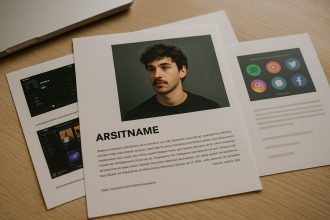
When a listener discovers a track, the artist profile becomes the next test. Does the project look alive? Is the image professional? Is the biography clear? Are the latest releases easy to understand? Does the catalog invite deeper listening? Do the social links lead to active spaces?
A strong profile helps convert casual listeners into followers. A weak profile lets them drift away. This is true on streaming platforms, social networks, YouTube, websites and playlist pages.
Independent artists should treat every profile as part of the same identity. The photos, tone, visuals, descriptions and links should feel connected. The listener should not feel like they are meeting five different artists with the same name.
Brand consistency is not about being rigid. It is about being recognizable.
Data Turns Guesswork Into Direction
Modern artists have access to information that previous generations could only imagine. Streaming dashboards can show listener locations, playlist performance, saves, audience growth and catalog movement. Social platforms can reveal watch time, engagement, shares and follower behavior. Video analytics can show where attention rises or disappears.
This data is useful, but only if the artist reads it with patience. A spike in streams may not mean real fan growth. A small video with strong saves may be more valuable than a large view count with no follow-through. A city with modest listener numbers may become important if engagement is high.
The goal is not to become obsessed with dashboards. The goal is to learn. Which songs bring new listeners? Which videos create profile visits? Which playlists drive saves? Which countries respond? Which visual formats work best? Which release timing feels strongest?
Data should sharpen creative strategy, not replace instinct. The artist still needs taste. The numbers simply reveal where the signal is strongest.
Global Audience Does Not Mean Generic Music
One of the most exciting parts of the modern indie workflow is global reach. A song made in a small home studio can reach listeners in cities the artist has never visited. A playlist in another country can create unexpected traction. A short video can cross borders overnight. A collaboration can happen between artists who have never shared a room.
But global potential does not mean artists should make generic music for everyone. In fact, the opposite is often true. Specific identity travels better than vague imitation. Listeners respond to clear worlds, strong moods and honest artistic direction.
An artist from Corsica, Glasgow, Rome, Valencia, Berlin, Lagos, São Paulo or Seoul should not erase their context to sound international. The personal details, local influences, language choices, rhythms, textures and visual references can become part of what makes the music distinct.
The global audience is not looking for everyone to sound the same. It is looking for music that feels alive.
Collaboration Has Become Borderless
The independent workflow is increasingly collaborative. Producers send stems across countries. Vocalists record remotely. Mix engineers work from another city. Visual artists create cover art from a different continent. Playlist curators, bloggers and video editors can all become part of the same release ecosystem without ever meeting in person.
This creates opportunities, but it also demands organization. File names matter. Version control matters. Clear agreements matter. Deadlines matter. Credits matter. Communication matters.
A messy collaboration can damage a release before it begins. A clean workflow can make the project feel larger than its budget. Shared folders, properly labeled stems, written credits, reference tracks, mix notes and clear approval stages help independent artists work professionally with remote teams.
The artist does not need a major label office to operate seriously. They need a system that respects everyone’s role.
The Catalog Must Be Managed Like an Asset
The new indie workflow does not end after release week. Every song becomes part of the artist’s catalog, and the catalog should be managed carefully.
Older tracks can be reactivated through playlists, short videos, live versions, remixes, behind-the-scenes stories or editorial features. A song that failed to gain attention at release may still connect months later when placed in the right context. Most listeners have not heard most of an artist’s catalog. To them, old music is often new music.
This is where independent artists need a longer view. A single can support the next single. An EP can introduce the artist’s world. A previous release can return when a new audience arrives. A strong catalog gives every new listener somewhere to go.
Artists who abandon songs too quickly waste their own work. The modern workflow should give every track more than one chance to breathe.
The New Indie Workflow Is a System, Not a Checklist
It is tempting to reduce the modern release process to tasks. Record the song. Mix it. Master it. Upload it. Post the link. Pitch playlists. Make videos. Check numbers. Repeat.
But the strongest independent artists understand that the workflow is not a checklist. It is a system. Each stage affects the next. Production shapes the pitch. Mixing affects playlist performance. Artwork influences first impressions. Video content creates discovery. Distribution timing affects campaign planning. Data informs the next release. The catalog strengthens the artist identity.
When these parts are disconnected, the release feels scattered. When they work together, even a modest campaign can feel professional and coherent.
This is the real power of the new indie artist workflow. It allows artists to move with intention, even without major-label resources.
From Home Studio to Global Audience
The path from home studio to global audience is not automatic. It is built through decisions. The sound must be shaped. The mix must translate. The master must hold up. The release must be delivered properly. The visuals must create memory. The video content must open doors. The playlist strategy must reach the right listeners. The promotion must continue after release day. The data must be read with intelligence. The catalog must keep working.
This may sound demanding, because it is. But it is also the most empowering version of the music industry independent artists have ever had. The tools are available. The audience is reachable. The distance between a small studio and a global listener has collapsed.
What remains is the workflow.
In 2026, independent artists do not need to wait for permission to build momentum. They need to work like producers, think like labels, communicate like storytellers and move like small creative companies. The music still comes first. It always should.
But the song that travels furthest is rarely the one that is simply uploaded. It is the one supported by a complete system, from the first session in the home studio to the moment a listener, somewhere far away, presses play and decides to stay.