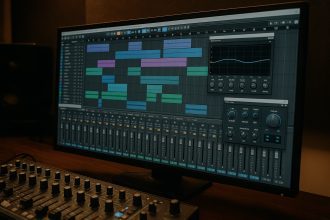

Suno Studio 2.0 Wants to Become a Real DAW
With MIDI, automation, a wavetable synth, AI-assisted plugin creation and deeper multitrack editing, Suno is no longer positioning itself as just a text-to-music generator. It is trying to become a serious production environment.
Audiartist takeaway: Suno Studio 2.0 is an important strategic step. The company is clearly moving beyond fast AI song generation and toward a more complete browser-based music production workflow. The question is no longer whether AI can generate songs. It is whether AI platforms can start competing for the time producers currently spend inside traditional DAWs.
Suno wants to move closer to the center of the music-making process.
With the launch of Studio 2.0, the company is expanding its browser-based production environment with a set of features designed to give creators more control, more flexibility and more reasons to stay inside the Suno ecosystem.
This is not just another AI music update focused on prompts and instant songs. The new release adds workflow tools that belong much more clearly to the language of music production: MIDI editing, automation, audio effects, plugin design, stem separation and high-quality multitrack export.

Photo: Anna Pou / Pexels
What Suno Studio 2.0 Adds
According to Suno, Studio 2.0 introduces several major new features aimed at deeper control in the production process.
Key new features
- MIDI: users can import, record and edit MIDI directly on the timeline.
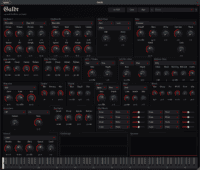
- Wavetable synth: Suno now includes its own synth for designing sounds inside Studio.
- Chat bar (beta): users can ask the AI to create instruments, vocals, plugins or help organize a session.
- Advanced stem separation: songs can be split into stems for cleaner remixing and rearrangement.
- Audio effects and Studio plugins: Suno includes built-in processing tools and also allows custom plugin creation through chat.
- Automation: users can draw automation curves to control track and plugin parameters over time.
- Unlimited export for Premier subscribers: high-quality 32-bit/48kHz multitracks and stems can be exported without limits.
In practical terms, this means Suno is trying to reduce the gap between AI-assisted idea generation and actual music production. Instead of simply generating a song and leaving the user to finish the work elsewhere, Studio 2.0 encourages creators to stay inside the platform longer and shape the result more directly.
Why MIDI Matters So Much
The arrival of MIDI is probably the most symbolic addition in this release. In the world of production software, MIDI is not just another feature. It is one of the core building blocks of modern composition and arrangement.
By allowing users to import, record and edit MIDI on the timeline, Suno moves closer to the everyday language of actual producers. It also adds an important hybrid layer to its system: MIDI clips can be used as prompts for new audio generations, which means Suno is blending traditional composition logic with generative AI behavior.
That is strategically smart. It makes the platform more attractive not only to beginners, but also to users who already think in terms of notes, harmonies, sequences and arrangement rather than pure text prompts.
Why it matters: AI music platforms have often been criticized for offering speed but not enough control. MIDI is one of the clearest signs that Suno understands that serious creators want both.
The Chat Bar Turns AI Into a Production Assistant
Another major addition is the new Chat bar (beta). Suno presents it almost like a collaborator rather than a simple command box. Users can ask it to create instruments or vocals from scratch, help organize a session or even design new plugins.
This is where the product becomes especially interesting from an industry perspective. Suno is no longer selling only a machine that makes music for you. It is trying to sell the idea of an AI assistant embedded directly inside the production workflow.
If that model works, the competitive threat to traditional software may not come from fully generated songs alone. It may come from a future in which AI becomes a permanent co-pilot inside music creation tools.
Photo: Anna Pou / Pexels
Suno Is Chasing More Than Casual Users
Suno’s messaging around Studio 2.0 is revealing. The company says the product is meant to help both people opening a DAW for the first time and experienced creators walking into a recording session.
That is a much broader ambition than simply serving curious hobbyists. It suggests Suno wants to be taken seriously as a creative tool, not only as an AI novelty or a quick content engine for social media experiments.
Its guiding principles also point in that direction. Suno emphasizes that music is tactile, that artists need to hear changes in real time and that familiar production tools such as synths, effects and sequencer-like workflows should have a place in next-generation music software.
Audiartist analysis
Suno is trying to reposition itself from “AI song generator” to “AI production environment.” That shift matters. It changes the competitive field. Instead of being compared only with Udio or other music generators, Suno increasingly invites comparison with the tools producers already use to build tracks from start to finish.
A Bigger Push Toward Workflow Retention
One of the smartest aspects of Studio 2.0 is how it encourages workflow retention. The more tasks users can complete inside Suno, the less often they need to jump to another environment.
That matters commercially. The longer creators stay inside a platform, the more valuable the subscription becomes and the more difficult it becomes to treat the tool as just a temporary experiment.
Studio 2.0 therefore looks like more than a feature update. It looks like an attempt to increase creator dependency on Suno’s ecosystem by covering more stages of the production chain: idea generation, arrangement, sound design, stem manipulation, mixing gestures and export.
Still an Important Limitation
Even with these additions, Suno Studio 2.0 does not automatically become a complete replacement for established DAWs in professional environments. Producers working on advanced commercial projects often rely on highly customized workflows, deep mixing tools, external hardware and years of muscle memory inside platforms like Ableton Live, Logic Pro, FL Studio, Cubase or Studio One.
That said, total replacement may not be Suno’s first goal. If the company can become a serious destination for songwriting, pre-production, sound experimentation and AI-assisted arrangement, that alone would already represent a major expansion of its role in music creation.
Critical point: Suno’s faster move toward professional production tools does not erase the wider copyright and training-data controversies surrounding generative AI music. Producers can evaluate Studio 2.0 as a tool while still asking how future models, generated material and licensed catalogs will be governed.
Conclusion
Suno Studio 2.0 is one of the most important product moves the company has made so far.
By adding MIDI, automation, a wavetable synth, custom plugin creation, stem separation and unlimited export for Premier users, Suno is clearly trying to evolve from a prompt-based generator into a more complete production platform.
The larger industry significance is easy to see: the AI music race is no longer only about who can generate songs fastest. It is increasingly about who can build the most convincing creative workflow around that generation.
Suno Studio 2.0 does not end the DAW era. But it does show that AI music companies are now targeting a much more ambitious prize: a place inside the actual production process.