
Universal Will Make Free Listeners Wait 72 Hours for New Music
Universal Music Group is preparing a 72-hour premium window in India, giving paid subscribers first access to major new releases before those tracks reach ad-supported listeners.
Key facts
- The policy is scheduled to begin at the end of August 2026 in India.
- Major domestic and international UMG releases will initially be available only on paid streaming tiers.
- Ad-supported listeners will gain access after 72 hours.
- UMG says the strategy applies across global and regional streaming platforms in India.
- The company is applying lessons from China’s growth in paid music subscriptions.
- UMG has not announced the same 72-hour policy for Europe or North America.
Universal Music Group is testing a simple idea in one of the world’s largest streaming markets: if fans want the newest music immediately, they may have to pay.
Beginning at the end of August, major new releases from UMG artists in India are set to spend their first 72 hours exclusively on premium subscription tiers. Listeners using free, advertising-supported services will have to wait three days before hearing the same releases.
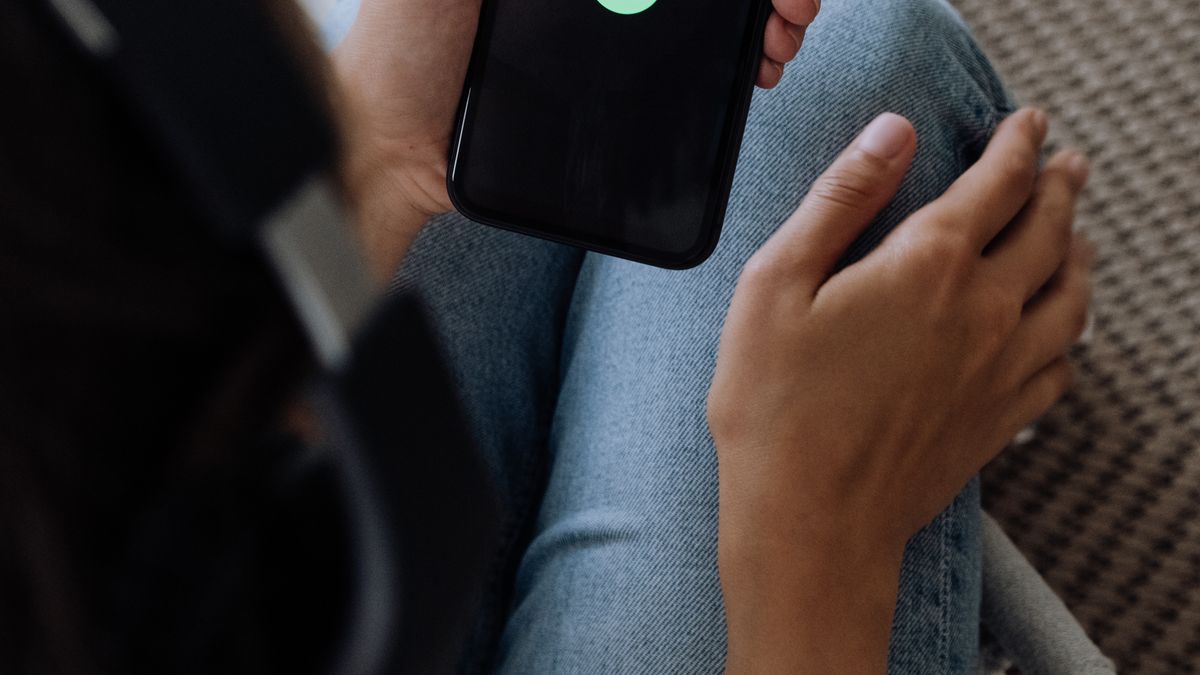
Photo: cottonbro studio / Pexels
How the 72-Hour Window Will Work
UMG says the policy will apply to major domestic and international releases across participating global and regional streaming services in India.
The release date itself does not move. Paid subscribers hear the music on the normal release date. Free listeners receive access 72 hours later.
That distinction is important. Premium listeners are not getting an early preview. The free tier is being delayed.
After the three-day window ends, the same music becomes available through ad-supported services as usual.
Why Universal Is Doing This in India
India has enormous streaming consumption but comparatively low paid subscription penetration. That makes it an attractive market for experiments designed to convert free users into paying customers.
Universal has pointed to China as a model. The company argues that stronger premium music ecosystems can improve monetization and support healthier long-term growth for labels, artists and streaming platforms.
UMG management has said it wants to apply lessons from China to India, where global DSPs compete with strong regional players and where ad-supported listening remains a major part of the market.
Why it matters: For years, free and paid users usually received new releases at the same time. Universal is testing whether access timing itself can become a premium feature.
Streaming Premium Is Becoming More Than Better Audio
Music streaming subscriptions were initially sold around convenience: no ads, unlimited skips, offline listening and better control over playback.
The industry is increasingly searching for additional reasons to make users pay. Higher-quality audio, exclusive fan experiences, artist content and AI-powered features are all becoming part of the conversation.
A 72-hour release window adds something much more emotional: immediacy.
For fans of major artists, the first weekend of a release is often when conversation, social media, reviews and fan communities are at their most active. Waiting three days can feel much longer when everyone else is already discussing the song or album.
The Strategy Could Help Subscription Conversion
If a highly anticipated release is only available to paying users, some free listeners may upgrade rather than wait.
That is exactly what Universal wants to test. The company is betting that music itself can become a stronger subscription driver when the most valuable content is temporarily placed behind a paywall.
This approach is common in other entertainment sectors. Video platforms use exclusive premieres, sports rights are frequently locked behind subscriptions, and games often sell early-access packages. Music streaming has historically resisted this kind of windowing because universal availability helped accelerate adoption.
Universal is now testing whether the market has matured enough for that assumption to change.

Photo: cottonbro studio / Pexels
What It Means for Artists
UMG says artists should benefit from improved compensation as more listening moves toward paid subscriptions.
That argument is straightforward. Subscription streams generally generate stronger economics than ad-supported listening, so increasing the share of paid consumption can increase the value created by each active listener.
But the artist impact will depend on behavior. If fans upgrade, the model could increase paid revenue. If free listeners simply wait or discover something else, the result could be less immediate consumption without meaningful subscription growth.
What It Means for Free Users
The change creates a clearer hierarchy between streaming tiers.
Free users will still receive the music, but they will not necessarily receive it at the same moment as subscribers. That turns the free tier into a delayed-access product for selected releases.
For casual listeners, three days may not matter. For highly engaged fans, it could be a powerful incentive to pay.
Audiartist analysis
This is less about three days and more about changing what « Premium » means. If major labels begin reserving the first moments of a release cycle for paying customers, streaming could gradually move from equal-access distribution toward tiered access.
Could This Expand Beyond India?
That is the obvious question, but it is important not to overstate what Universal has announced.
The 72-hour policy is currently an India strategy. UMG has not announced that the same system will be introduced in France, the United Kingdom, the United States or other major markets.
Still, the test will be watched closely. If premium conversion improves without significantly hurting total listening, labels and platforms would have a strong reason to consider similar approaches elsewhere.
The Larger Streaming 2.0 Strategy
Universal has been talking increasingly about a new phase of music streaming built around higher-value subscriptions, better monetization, stronger fan relationships and new premium experiences.
The India experiment fits that strategy. Instead of treating every stream as identical, the industry wants to differentiate valuable users, valuable content and valuable moments.
Release day may become one of those moments.
Conclusion
Universal’s 72-hour premium window is a small change with potentially large consequences.
If it works, the music business may learn that fans are willing to pay not only for convenience or better audio, but for immediate access to culturally important releases.
If it fails, the experiment will show how difficult it remains to reduce free access in a market built on massive ad-supported audiences.
For now, India is the test. But the larger question is global: will the future of streaming make free listeners wait while paying fans hear new music first?