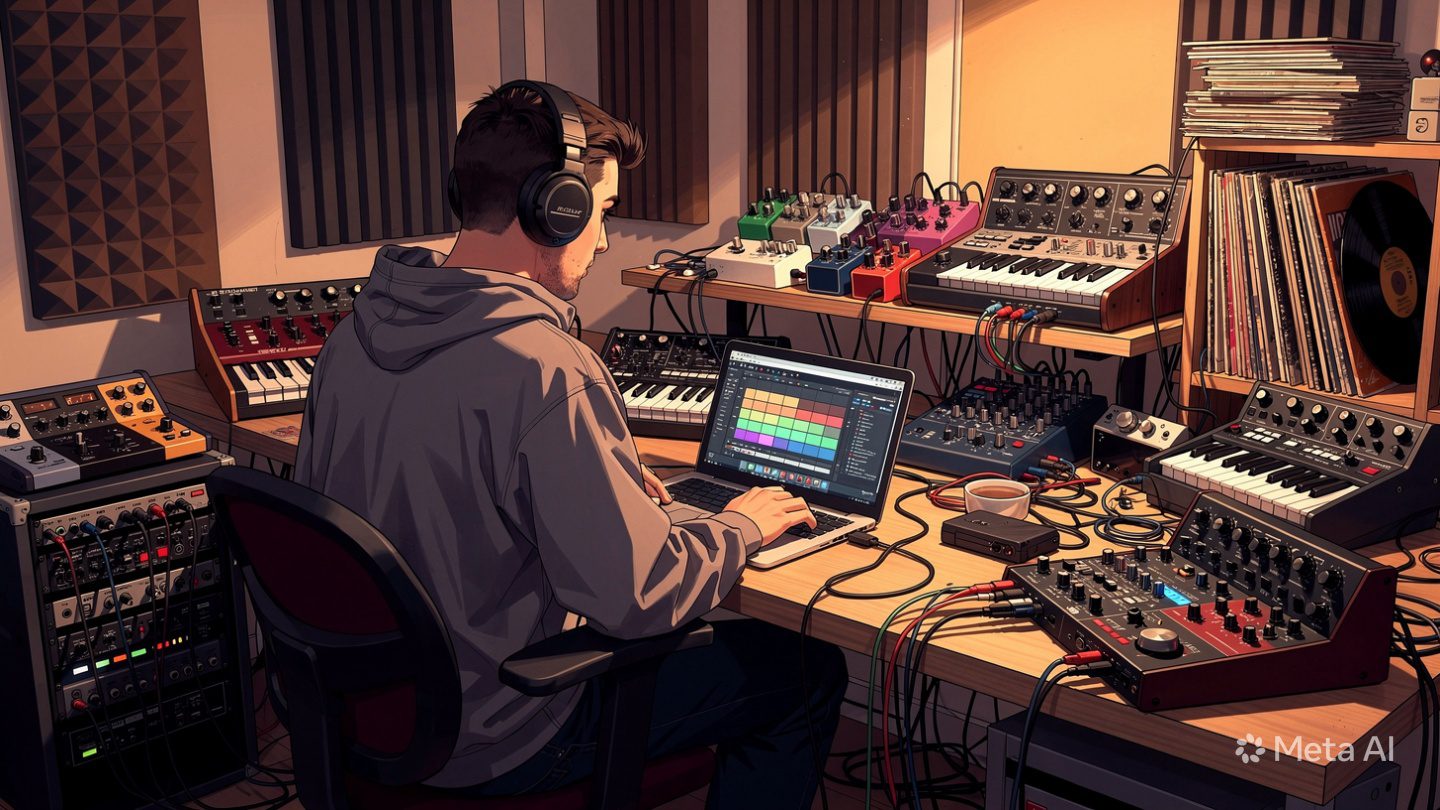

In 2026, mastering is more accessible than ever. Independent artists can now use limiters, loudness meters, tonal balance tools, dynamic EQs, reference plugins, and complete mastering suites directly inside a home studio. The tools are powerful, affordable, and often surprisingly transparent. But the real challenge has not changed: mastering is not about making a track violently loud. It is about making it translate.
A good master should sound balanced on headphones, studio monitors, phones, laptops, cars, club systems, and streaming platforms. It should preserve the emotion of the track while improving impact, consistency, tonal balance, and delivery level. The best mastering plugins in 2026 are not only designed to increase loudness. They help producers make better final decisions.
This guide focuses on the most useful free and paid mastering plugins for independent music producers, from loudness metering and limiting to EQ, reference checking, tonal control, and all-in-one mastering workflows. The goal is simple: build a mastering chain that serves the song, not one that turns the waveform into a black rectangle with self-esteem issues.
What Does a Mastering Plugin Actually Do?
Mastering plugins sit at the final stage of the production process. Their job is not to rescue a broken mix, although many producers try, often heroically and with tragic optimism. Their real role is to polish a mix that already works.
A mastering chain usually controls five major areas: tonal balance, dynamics, loudness, stereo image, and final technical safety. EQ can gently shape the overall frequency balance. Compression can add glue or control movement. Saturation can add harmonic density. A limiter can raise the final level while preventing clipping. A loudness meter can confirm whether the master is suitable for streaming, broadcast, or release standards.
The key word is gentle. Mastering is usually about small moves with large consequences. A half-decibel EQ change can matter. A limiter pushed one decibel too far can flatten the punch. A stereo widening move can feel impressive in headphones and collapse in mono. Mastering rewards patience, references, and honest listening.
Best Free Mastering Plugins in 2026
Youlean Loudness Meter 2, Essential Free Loudness Monitoring
Youlean Loudness Meter 2 is one of the most useful free tools for mastering because it gives producers clear loudness information without making the process feel intimidating. It measures integrated loudness, short-term loudness, momentary loudness, loudness range, and true peak values, which makes it a strong choice for checking release levels before uploading music to streaming platforms.
For independent artists, this is essential. A track may feel loud inside the DAW, then translate poorly once it reaches Spotify, Apple Music, YouTube, Deezer, or other platforms. Loudness normalization means that chasing extreme volume is often less useful than building a balanced, dynamic master that still feels powerful after platform playback adjustments.
Youlean Loudness Meter 2 should usually sit after the limiter in the mastering chain. It does not change the sound. It tells the truth about the sound. Sometimes brutally, but that is what useful meters do.
LoudMax, A Free Brickwall Limiter That Keeps Things Simple
LoudMax is a free look-ahead brickwall limiter and loudness maximizer built around a clean, straightforward workflow. It is not overloaded with controls, which makes it useful for producers who want to learn what limiting does without getting lost in advanced parameters.
The plugin is designed to retain the character of the music as much as possible, even when pushed. That does not mean it should be abused. A limiter is not a hammer for every problem. It is the final gatekeeper of level and peaks. Push it too hard and the track may lose punch, depth, and emotional movement.
For beginners, LoudMax is excellent because it teaches discipline. Lower the threshold, set the output ceiling, listen carefully, and compare before and after at matched loudness. If the track feels louder but smaller, the limiter is working too hard. If it feels controlled and still alive, you are closer to the goal.
TDR Nova, Free Dynamic EQ for Mastering Corrections
TDR Nova is often used during mixing, but it is also valuable in mastering because it can perform gentle dynamic EQ corrections across the full mix. Instead of cutting a frequency permanently, it can reduce a problem only when it becomes too strong.
That makes it useful for controlling harsh upper mids, boomy low mids, aggressive vocal presence, sharp cymbals, or unstable bass energy in a finished mix. A static EQ cut might remove too much character. A dynamic EQ can respond only when the problem appears.
On the master bus, restraint is essential. Use small amounts of gain reduction. If you are trying to fix ten major problems with a dynamic EQ, the mix probably needs to be reopened. Mastering should refine, not perform emergency surgery with a spoon.
TDR Kotelnikov, Transparent Free Compression for Master Bus Control
TDR Kotelnikov is a free dynamics processor designed for clean, transparent compression. In mastering, that transparency matters because the goal is often to control movement without obviously changing the personality of the mix.
Used gently, Kotelnikov can help glue a track together, smooth dynamic peaks, and bring subtle cohesion to the master. It is especially useful for producers who want to learn mastering compression without the coloration of vintage-style emulations.
Start with low ratios, slow enough attack to preserve transients, and light gain reduction. If the chorus becomes smaller, the kick loses punch, or the track stops breathing, the compressor is doing too much. Mastering compression should feel like a firm handshake, not a bear hug from a nightclub bouncer.
Voxengo SPAN, Free Spectrum Analysis for Tonal Balance
Voxengo SPAN is a free spectrum analyzer that helps producers understand the frequency balance of a track. It is useful during mixing and mastering because it reveals low-end buildup, harsh zones, weak mids, overly bright highs, and general tonal distribution.
SPAN should not replace listening. A spectrum analyzer does not know if a song feels emotional, groovy, intimate, aggressive, or alive. But it can confirm what the ears suspect. If the low end feels heavy and SPAN shows excessive energy in the sub and low mids, the visual information can guide better decisions.
Use SPAN to compare your master against reference tracks in a similar genre. Do not copy the curve blindly. Use it to understand why a commercial track feels balanced, controlled, and powerful.
Best Paid Mastering Plugins Worth Considering in 2026
iZotope Ozone 12, A Complete Mastering Suite for Modern Producers
iZotope Ozone 12 is one of the most complete mastering suites available in 2026. It brings together EQ, dynamics, maximization, low-end control, stereo shaping, tonal balance, transient management, and advanced mastering modules inside one environment.
For independent artists, the appeal is clear. Ozone 12 offers a structured mastering workflow that can help producers move from an unfinished mixdown to a polished master without building every stage from separate plugins. That makes it especially useful for home studios, self-releasing artists, and producers who want professional-level tools with a guided workflow.
The danger is relying on presets without listening. Ozone can provide a strong starting point, but the producer still needs to judge whether the master fits the track. A deep house track does not need the same treatment as a trap beat, a lo-fi instrumental, a hard rock single, or a cinematic piano piece. Mastering is not a vending machine. Insert mix, receive masterpiece, sadly not.
FabFilter Pro-L 2, A Premium Limiter for Loudness and Transparency
FabFilter Pro-L 2 remains one of the most trusted limiters for mastering because it combines transparency, several limiting styles, true peak limiting, loudness metering, oversampling, and a clear interface that makes final-level decisions easier to manage.
A limiter is usually the last active processor in the mastering chain. Its job is to raise perceived loudness while preventing peaks from exceeding the chosen ceiling. Pro-L 2 is useful because it gives producers enough control to adapt the limiting behavior to the song. Some styles need more punch. Others need more safety, transparency, or density.
The best way to use Pro-L 2 is to listen for damage, not only loudness. If the kick becomes smaller, the snare loses impact, vocals become grainy, or the chorus feels less open, the limiter is being pushed too far. A good master should feel louder and more finished, not punished.
sonible smart:limit, Intelligent Limiting With Loudness Guidance
sonible smart:limit is a modern limiter focused on fast decision-making, loudness guidance, and transparent final-level control. It analyzes the signal, suggests limiting behavior, and provides useful feedback on loudness and dynamics for publishing targets.
For independent producers, this can be helpful because mastering is often a lonely process. Without an engineer in the room, it is easy to push too hard, choose the wrong loudness target, or confuse volume with quality. smart:limit helps frame those decisions visually and practically.
The plugin is most useful when treated as a second opinion. Let it suggest, then listen. Compare the master against references. Check whether the track still breathes. Loudness guidance is useful, but the emotional result still matters more than a meter turning green.
Mastering The Mix REFERENCE, Better A/B Decisions Against Commercial Tracks
REFERENCE by Mastering The Mix is designed to help producers compare their track against professional reference songs. This is one of the most underrated parts of mastering. Without reference listening, it is easy to lose perspective, especially after hearing the same loop for three hours until the hi-hat starts developing a personality.
REFERENCE helps compare loudness, tonal balance, stereo width, compression, and overall energy against selected tracks. This does not mean copying another master. It means understanding the competitive context of your release.
For independent producers, reference tools are especially valuable because the listening environment is often imperfect. A room can exaggerate bass, hide harshness, or make a mix feel wider than it really is. A good reference workflow helps separate room problems from actual mastering problems.
Mastering The Mix LEVELS, Simple Quality Control for Final Masters
LEVELS by Mastering The Mix is a metering and quality-control plugin designed to catch common technical issues before release. It can help producers monitor loudness, peaks, stereo field, dynamic range, and low-end problems in a simple visual format.
This is useful because mastering is not only about tone and loudness. It is also about avoiding technical mistakes. A master can sound exciting but still have true peak issues, poor stereo compatibility, excessive low-end energy, or crushed dynamics. LEVELS makes those problems easier to spot.
For beginners, its strength is clarity. Instead of forcing users to interpret multiple advanced meters at once, it presents warnings in a more readable way. That makes it a practical final check before distribution.
A Simple Mastering Chain for Independent Producers
There is no universal mastering chain that works for every track. Still, a simple structure can help producers avoid random plugin stacking. The goal is to move from correction to enhancement, then from enhancement to final safety.
1. Reference Listening
Before touching a plugin, listen to reference tracks in the same genre. Match the playback level so the louder song does not automatically seem better. Notice the low end, vocal level, brightness, stereo width, punch, and overall density.
2. Corrective EQ
Use a clean EQ or dynamic EQ to fix small tonal problems. This could mean reducing low-mid mud, softening harsh upper mids, controlling brittle highs, or tightening excessive sub energy. Avoid dramatic moves unless the mix truly needs them.
3. Gentle Compression
Compression can help glue the master together, but it should not destroy transients. Use light gain reduction, slow enough attack to preserve punch, and a release setting that moves musically with the track.
4. Subtle Saturation
Saturation can add harmonic density and perceived loudness before the limiter. Use it carefully. The goal is warmth, presence, and energy, not making the master sound like it spent the weekend inside a broken cassette deck.
5. Stereo Control
Check the stereo image, especially in the low end. Bass frequencies should usually remain focused and stable. Width should come from pads, backing vocals, guitars, effects, and supporting layers, not from making the entire master unstable.
6. Limiting
The limiter sets the final loudness and ceiling. Push until the track feels finished, then listen for damage. If the limiter removes punch, distorts vocals, flattens drums, or makes the chorus smaller, reduce the gain.
7. Loudness and Quality Check
Use Youlean Loudness Meter, LEVELS, SPAN, or another metering tool to confirm loudness, true peak, frequency balance, stereo correlation, and dynamics. Then listen again. The meters help, but the ears make the final decision.
Mastering for Spotify, Apple Music, YouTube, Deezer and Streaming Platforms
Streaming changed the loudness conversation. Modern platforms use loudness normalization, meaning that louder masters are often turned down during playback. This does not mean loudness no longer matters. It means loudness must be handled intelligently.
A master that is extremely loud but crushed may sound less powerful after normalization than a dynamic master with punch, depth, and clean transients. Perceived loudness comes from many things: arrangement, bass control, midrange clarity, transient impact, harmonic density, and tonal balance. The limiter is only the final stage.
For streaming, true peak control is important because encoding can create additional peaks. Many producers keep a ceiling around -1 dBTP as a safe practical starting point, especially when exporting for compressed streaming formats. But genre still matters. A club track, acoustic ballad, lo-fi instrumental, hard rock song, and cinematic piece should not all be forced into the same loudness personality.
Free vs Paid Mastering Plugins: What Should You Choose First?
A serious beginner can start mastering with free tools. Youlean Loudness Meter 2, LoudMax, TDR Nova, TDR Kotelnikov, and Voxengo SPAN already cover loudness measurement, limiting, dynamic EQ, transparent compression, and spectral analysis. That is enough to learn the fundamentals and finish music with discipline.
Paid plugins become useful when the producer needs speed, precision, better workflow, or more advanced decision support. Ozone 12 is strong for complete mastering chains. FabFilter Pro-L 2 is a premium limiter for detailed final-level control. sonible smart:limit is useful for loudness-guided limiting. REFERENCE helps compare against commercial tracks. LEVELS offers accessible technical quality control.
The right question is not “free or paid?”. The right question is “what problem am I trying to solve?”. If you cannot answer that clearly, buying another plugin may only add a new icon to the folder and a new excuse to avoid finishing the track.
Recommended Mastering Toolkit for 2026
| Mastering Role | Free Option | Paid Option | Best Use |
|---|---|---|---|
| Loudness metering | Youlean Loudness Meter 2 | Youlean Loudness Meter 2 Pro or LEVELS | LUFS, true peak, loudness range, streaming checks |
| Final limiting | LoudMax | FabFilter Pro-L 2 or sonible smart:limit | Final level, peak control, loudness shaping |
| Dynamic EQ | TDR Nova | Ozone 12 modules or premium EQ tools | Harshness control, low-mid cleanup, tonal refinement |
| Master bus compression | TDR Kotelnikov | Ozone 12 dynamics or dedicated bus compressors | Glue, movement control, subtle cohesion |
| Spectrum analysis | Voxengo SPAN | Advanced metering suites | Frequency balance, low-end control, reference comparison |
| Reference checking | Manual A/B level matching | REFERENCE | Commercial comparison, tonal balance, width and dynamics perspective |
| Complete mastering suite | Stock DAW tools plus free plugins | iZotope Ozone 12 | Full mastering workflow, tonal shaping, dynamics, limiting and final polish |
Common Mastering Mistakes Beginners Should Avoid
Trying to Fix the Mix During Mastering
If the vocal is too low, the kick and bass are fighting, the snare is harsh, or the synths are masking the chorus, go back to the mix. Mastering can polish balance, but it cannot properly rebalance individual elements unless the mix is corrected first.
Pushing the Limiter Too Hard
A loud master can be exciting, but too much limiting removes punch, depth, and movement. Watch the gain reduction, but more importantly, listen to what disappears. If the drums lose impact, the bass distorts, or the chorus shrinks, reduce the input gain.
Ignoring Reference Tracks
Without reference tracks, it is easy to lose perspective. Your master may feel bright after hours of listening, or too dark because your room exaggerates highs. Reference tracks help reset the ears and place your music in a real-world context.
Mastering Too Soon
Do not master immediately after finishing a mix. Take a break. Listen the next day if possible. Fresh ears reveal problems that tired ears politely ignored. The mix may need changes before mastering begins.
Believing One Loudness Target Fits Every Song
Streaming targets are useful, but they are not artistic laws carved into stone tablets. Genre, arrangement, dynamics, and emotional intention all matter. A delicate piano piece and an aggressive dance track should not be mastered with the same mindset.
When Should You Use a Professional Mastering Engineer?
Home mastering is useful, especially for demos, regular releases, social media content, beat tapes, and independent singles. But a professional mastering engineer can still be valuable, particularly for important releases.
If you are releasing an EP, album, vinyl project, label campaign, sync-ready catalog, or a single with serious promotion behind it, an outside mastering engineer brings more than tools. They bring perspective. They hear what you no longer hear. They know how the track will translate. They can make final decisions without emotional attachment to every snare reverb you added at 2 a.m.
The best approach is not to reject professional mastering or depend on it blindly. Learn enough to make strong masters yourself, then use professionals when the release deserves that final independent ear.
Conclusion: Mastering Is Not Loudness, It Is Translation
The best mastering plugins in 2026 give independent producers more control than ever. Free tools such as Youlean Loudness Meter 2, LoudMax, TDR Nova, TDR Kotelnikov, and Voxengo SPAN can form a serious mastering foundation. Paid tools such as iZotope Ozone 12, FabFilter Pro-L 2, sonible smart:limit, REFERENCE, and LEVELS can improve speed, precision, confidence, and final quality control.
But mastering is never only about plugins. It is about judgment. A good master respects the mix, improves translation, controls loudness, preserves emotion, and prepares the track for release without destroying what made it work in the first place.
In 2026, independent music producers do not need to fear mastering. They need to approach it with discipline, references, reliable meters, careful limiting, and enough humility to know when the best mastering move is to go back to the mix. The final polish matters, but the song still has to breathe.