
D’Addario has acknowledged that generative AI was used in a promotional video for its guitar strings after previously denying the claim. The company says Suno Studio was used to regenerate the original music and has apologized for sharing inaccurate information, turning a product demo into a broader controversy about transparency, trust and AI-generated music in the instrument industry.
One of the world’s best-known guitar accessory brands has found itself at the center of an AI music controversy.
D’Addario has admitted that Suno Studio was used in connection with the music heard in a promotional video for its NYXL HD extended-range guitar strings.
The admission came after the company had repeatedly pushed back against online claims that the audio sounded AI-generated. D’Addario initially offered several alternative explanations, including production processing, plug-ins and AI-assisted mastering tools.
After further review, the company changed its position and acknowledged that the original track had been regenerated using Suno Studio.
Key Facts
- D’Addario initially denied using generative AI in the promotional music.
- The company later confirmed that Suno Studio had been used to regenerate the original track.
- The controversy involved a promotional demo for NYXL HD extended-range guitar strings.
- D’Addario apologized for providing inaccurate information.
- The company also addressed criticism over how comments questioning the audio were moderated.
- D’Addario says it will require clearer disclosure of generative AI use from employees and creative partners going forward.
- The company says it does not support using AI-generated music in its promotional content.

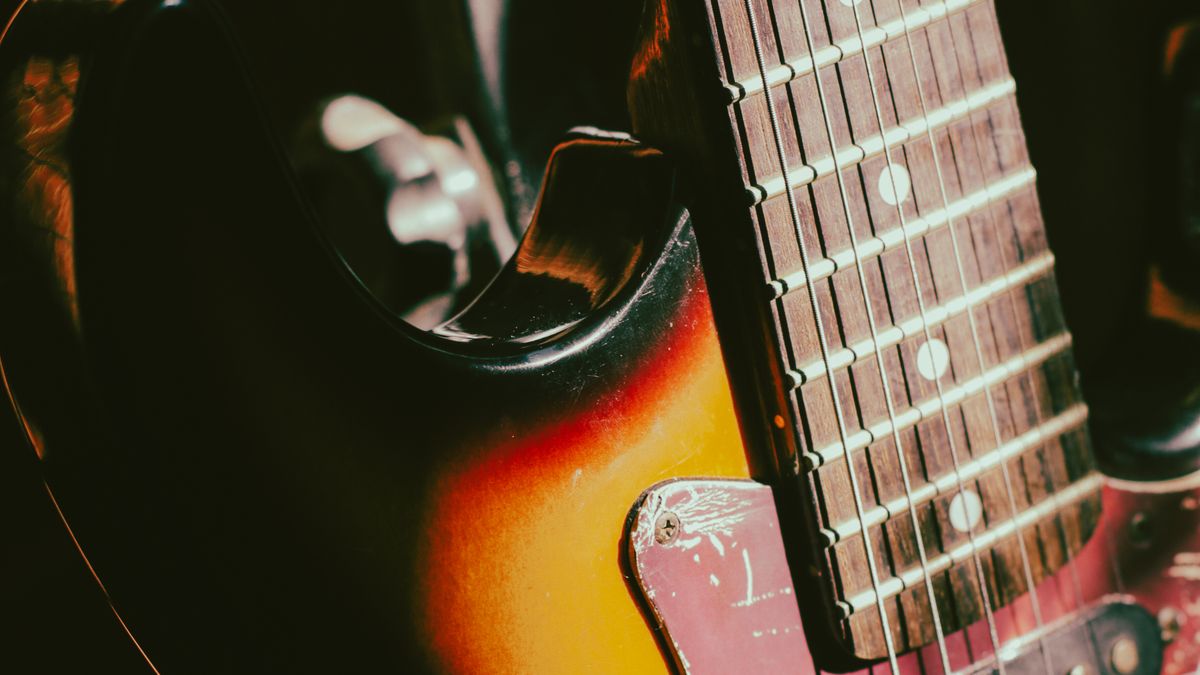
Photo: Lucas Pezeta / Pexels
How a Guitar String Demo Became an AI Debate
The controversy began with a seemingly straightforward product demonstration.
D’Addario promoted its NYXL HD strings using a polished modern metal-style production. Some musicians and creators quickly questioned whether parts of the audio had been generated with AI.
The suspicion mattered because the product being demonstrated was explicitly aimed at musicians. A string manufacturer is not simply selling a consumer accessory; it is selling a physical tool used to create human performances.
For that audience, the possibility that an AI music generator had been used in the demonstration immediately became more sensitive than it might have been in an ordinary commercial.
D’Addario Initially Rejected the Claims
For nearly two weeks, D’Addario maintained that generative AI had not been used to create the track.
The company pointed toward conventional production techniques and processing. Explanations discussed publicly included low-quality exports, pitch correction, other plug-ins, and AI-assisted mastering tools from software already common in music production.
That defense attempted to draw a distinction between AI-assisted production and generative AI music.
The distinction is important. Many modern audio tools use machine learning for noise reduction, mastering, source separation or intelligent processing without generating an entire musical performance.
But scrutiny of the demo continued.
Audiartist Analysis
The biggest problem was not necessarily that an AI tool touched the production. It was the gap between what the audience was told and what D’Addario later confirmed. In music, where brands build loyalty around craft and authenticity, transparency can matter more than the technology itself.
Independent Scrutiny Kept the Story Alive
Musicians and creators continued investigating the audio rather than accepting the initial explanation.
Guitarist and YouTube creator Rhett Shull examined recording materials connected with the project, while other musicians analyzed audible artifacts and production details that they believed were inconsistent with the public explanation.
The debate expanded beyond one Instagram post. It became a test of whether experienced musicians could identify generative artifacts and whether a major music brand would provide enough production evidence to settle the question.
Eventually, D’Addario conducted a more complete review.
The Company Reversed Its Position
D’Addario subsequently updated its public explanation and acknowledged that Suno Studio had in fact been used.
The company said the original track was regenerated with the AI tool and admitted that the information it had previously shared was inaccurate.
That reversal changed the story completely.
What had begun as a debate over whether listeners were overreacting to a heavily processed production became a confirmed case of generative AI being used in promotional music by a company whose customers are musicians.

Photo: Pixabay / Pexels
Why Suno’s Involvement Is Especially Sensitive
Suno is not just another production plug-in.
The platform can generate complete music from prompts and has become one of the most prominent companies in the generative AI music sector. At the same time, Suno has faced major copyright litigation and intense criticism from artists and rights holders over how generative models are trained and how synthetic music may affect human creators.
D’Addario therefore entered a debate that goes far beyond automated mastering or intelligent EQ.
For many guitarists, the use of generative music in a guitar-string demo felt contradictory: a company selling products designed for instrumental performance had used technology capable of replacing parts of the creative process those musicians perform.
The Comment Moderation Made the Backlash Worse
The controversy was also about communication.
D’Addario faced criticism for deleting or restricting comments from people who questioned whether AI had been used. The company later apologized for how the discussion was handled.
That part of the story matters because brand trust is cumulative.
If a company makes an incorrect statement, audiences may accept a correction. If users also feel that legitimate criticism was being suppressed, the correction can arrive after confidence has already been damaged.
The Trust Problem
Generative AI introduces a verification problem for the entire music industry. When listeners no longer know whether a performance, voice, instrument or production workflow is what a brand says it is, disclosure becomes part of the product itself.
D’Addario Is Changing Its AI Policy
The company says it is taking steps to prevent a repeat of the incident.
According to its updated statements, D’Addario intends to require employees and creative partners to disclose the use of generative AI and says AI-generated music will not be used in its promotional content.
That policy is significant because many companies still have no public rules governing generative audio.
As AI tools become integrated into DAWs and production platforms, organizations will increasingly need to define where they draw the line between assistance and generation.
The Difference Between AI-Assisted and AI-Generated Music Will Matter More
The D’Addario case highlights an issue that is likely to become increasingly difficult.
A producer may use AI for stem separation, denoising, mastering suggestions, chord detection or sound restoration while still recording and composing the music traditionally.
Another producer may use a generative system to create a vocal, instrumental passage or entire arrangement.
Those workflows can all be described loosely as “using AI,” even though they involve very different levels of human authorship.
Brands, labels, streaming platforms and artists will need more precise language if they want audiences to understand what happened during production.
What This Means for Music Brands
The lesson extends beyond D’Addario.
Companies that sell instruments, plug-ins, microphones, studio equipment and production tools market themselves directly to creators. Their credibility depends partly on showing products in authentic musical contexts.
If generative content is used, clear disclosure can prevent confusion and allow audiences to judge the demonstration on its own terms.
Trying to hide or minimize that use can create a much larger controversy than simply acknowledging it from the beginning.
Conclusion
D’Addario’s admission closes the factual part of the debate: Suno Studio was used to regenerate music connected with the promotional video.
But the larger discussion is only beginning.
The controversy demonstrates how quickly generative AI can collide with expectations of authenticity in the music equipment world. It also shows that the central issue is increasingly not whether AI exists in music production, but when audiences deserve to be told that it was used.
For a company whose customers spend years developing their own sound, that distinction is not a minor technical detail. It is part of the relationship between the brand and the musicians it serves.
Sources: The Verge; reporting by MusicRadar on D’Addario’s updated statement.