
This week’s free VST selection moves between vintage analog character and experimental spectral design, with two plugins that bring very different forms of inspiration into the modern studio.
MOODYSIX Free VST: Vintage Polysix Character With Extra Modded Personality
MOODYSIX is a free six-voice polyphonic synthesizer from Overload Audio, inspired by the classic 1981 Korg Polysix. It focuses on the kind of warm, slightly unstable analog tone that works beautifully for pads, arpeggios, synthwave chords, lo-fi textures, retro leads, and atmospheric electronic music.
The core design is intentionally simple: one oscillator per voice, saw, pulse width and PWM waveforms, a sub oscillator, a 4-pole low-pass filter, envelopes, modulation, chorus, phaser, ensemble effects, and an arpeggiator. That simplicity is part of the charm. MOODYSIX does not feel like another oversized modern synth asking for an engineering degree before breakfast. It invites quick musical decisions.
Why MOODYSIX stands out
The interesting twist is that MOODYSIX is not only a straight Polysix-style recreation. Overload Audio adds three classic-inspired modifications: noise generation for more texture, pitch-envelope movement and voice spread for thicker detuned tones, plus improved portamento and glide behavior across voice modes. These additions make the plugin more flexible without breaking the vintage identity.
For producers working in synthwave, indie electronic, house, ambient, cinematic scoring, lo-fi pop, or retro-inspired dance music, MOODYSIX can quickly become a go-to instrument for warm harmonic beds. The built-in ensemble and chorus effects are especially useful when a track needs width and animation without heavy external processing.
MOODYSIX is available as a VST3 plugin for Windows and as VST3 and AU for macOS. The plugin is offered through Overload Audio’s Gumroad page as a free or pay-what-you-want download, which makes it easy to try while still leaving room to support the developer.
Official Overload Audio Website
|
Download MOODYSIX Free VST
Polarity-RES Free VST: A Spectral Resonator Built for Texture, Drones, and Harmonic Motion
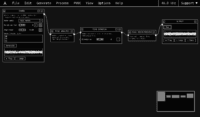
Polarity-RES goes in a very different direction. Instead of recreating a vintage instrument, it offers a free resonator effect built around a spectrum-graph interface. Each dot on the display controls a steep bandpass resonator, allowing producers to shape sound visually and musically across the frequency spectrum.
This is the kind of plugin that rewards curiosity. Place it on drums and it can pull out metallic overtones. Use it on vocals and it can create formant-like color. Feed it noise and it can become a playable resonant texture. Put it on synths, percussion, field recordings, or atmospheric layers, and it can turn ordinary material into tuned movement.
A hands-on tool for sound designers
Polarity-RES supports up to 32 active resonator bands, with note snap and harmonic snap options to keep resonances musically aligned. MIDI follow allows the resonators to track incoming notes, which makes the plugin useful not only as an effect but also as a creative instrument-like processor.
The workflow is direct. Add dots, move them across the analyzer, shape the resonance, adjust dry and wet balance, then let the source material interact with the resonator bank. For ambient producers, experimental beatmakers, cinematic composers, techno artists, and anyone who enjoys spectral sound design, this free VST offers an unusually deep playground.
Polarity-RES is available for Windows, macOS, and Linux, with VST3, CLAP, AU on macOS, and standalone versions depending on the platform. It is also refreshingly direct: no account requirement, no email capture, no telemetry, and no license-manager ceremony. Très chic, without the usual plugin bureaucracy tap-dancing on your patience.
Official Polarity-RES Website
|
Download Polarity-RES Free VST
Two Free VST Plugins, Two Different Studio Roles
What makes this week’s selection interesting is the contrast. MOODYSIX is about musical immediacy. It gives producers a familiar analog-style instrument that can move quickly from soft pads to animated arpeggios, from vintage synthwave color to understated electronic hooks. It is easy to imagine it sitting inside a track within minutes.
Polarity-RES is more exploratory. It is not designed to replace a standard EQ, reverb, or chorus. Its real value appears when the producer wants movement, tuned resonance, strange harmonic accents, drones, evolving textures, or spectral transformation. It is less about polishing a sound and more about discovering what the sound could become.
Used together, they cover two important sides of production: composition and transformation. MOODYSIX can generate the musical material, while Polarity-RES can bend, color, reshape, or completely reimagine it.
Who Should Try These Free VST Plugins?
MOODYSIX is the stronger choice for producers who want an immediate instrument for chords, melodies, retro textures, and analog-inspired sound design. It should appeal to synthwave artists, house producers, lo-fi creators, pop writers, and composers who need warm electronic layers without opening a heavyweight synth.
Polarity-RES is ideal for producers who enjoy deeper sound design. Ambient artists, experimental electronic musicians, cinematic composers, techno producers, and beatmakers looking for unusual transitions or tonal effects may find it especially rewarding. It is also a useful learning tool for anyone interested in how resonance, frequency placement, and harmonic structure shape a sound.
Conclusion: Free VST Plugins With Real Creative Value
MOODYSIX and Polarity-RES prove that free plugins can still bring genuine value to a serious production setup. One delivers vintage-inspired musical warmth, the other opens a door into spectral shaping and resonant experimentation. Neither feels like filler, and both have a clear reason to exist.
For producers building a lean but expressive plugin folder, this week’s free VST picks are easy to recommend. MOODYSIX gives you analog-style tone and fast musical results, while Polarity-RES gives you a more adventurous way to sculpt, animate, and transform sound. Download them, test them in a real session, and let the music decide which one stays in your template.