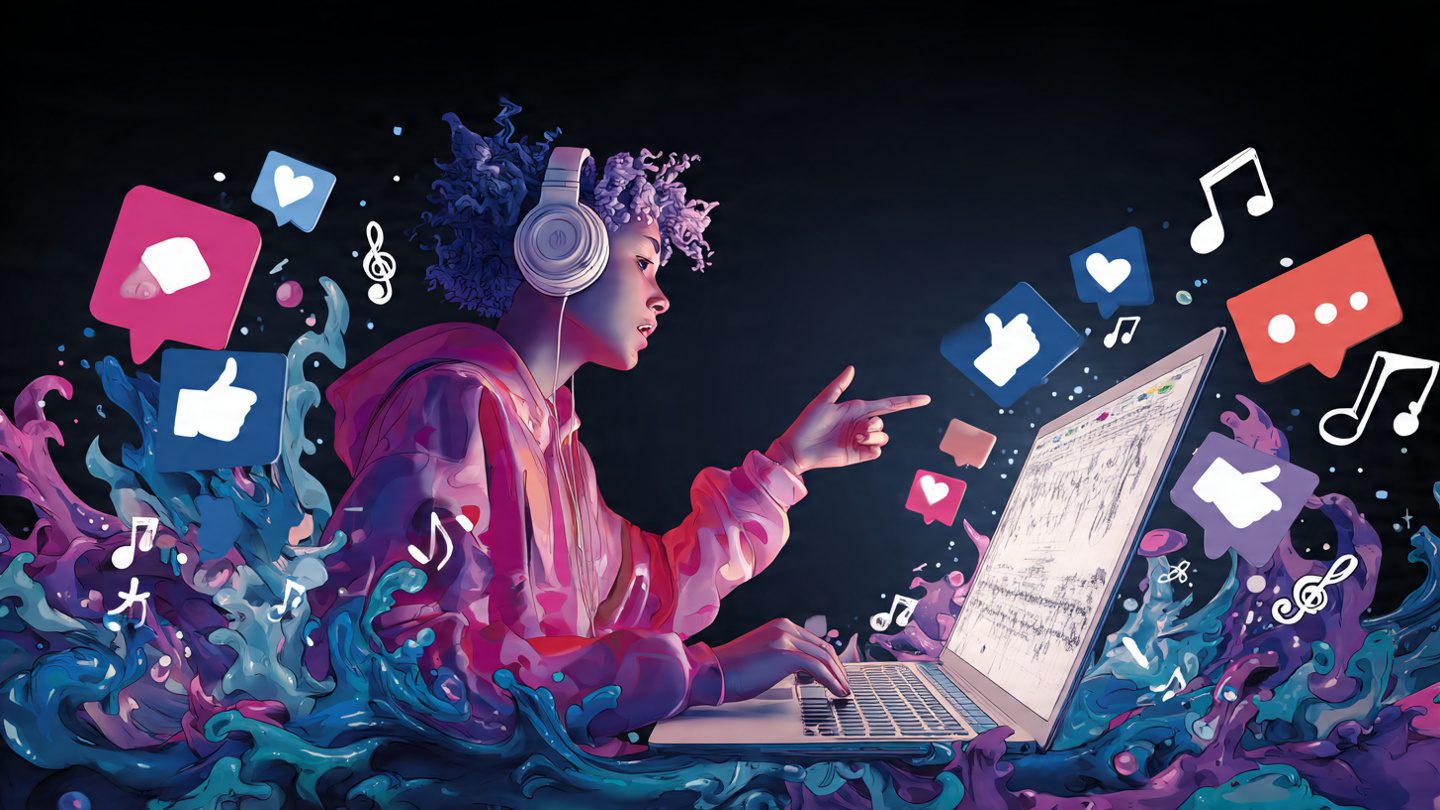

In 2026, an independent artist can be found in a playlist, noticed in a short video, saved after a lyric clip, remembered through a behind-the-scenes post, supported through a newsletter, and followed because a curator placed the right song in the right context. The listener journey is no longer linear. It is a web of small signals, repeated moments and emotional touchpoints.
That changes everything. Playlists still matter, but they are not enough. Video content drives discovery, but it cannot replace a real artist identity. Algorithms can push a song into new spaces, but they do not build loyalty by themselves. Human curators still have taste, but they need music that fits their audience. Direct fan connection is more valuable than ever, but it requires consistency, honesty and a reason for people to stay.
The strongest independent artists are no longer asking, “Which platform should I focus on?” They are asking a better question, “How do all these channels work together?”
The Indie Marketing Model Has Changed
For years, independent artists were told to chase exposure. Get on playlists. Post more. Make videos. Build a following. Pitch blogs. Send emails. Run ads. The advice was not always wrong, but it often treated each action as a separate task.
The modern music environment demands a more connected approach. A playlist placement should feed a social post. A short video should guide viewers toward the full track. A behind-the-scenes clip should deepen the story. A newsletter should activate the closest supporters. A press feature should give the release context. A direct fan message should turn casual interest into real connection.
Indie music marketing is no longer about collecting promotional tricks. It is about building a system. The artists who understand this can make modest resources work harder. They do not need to dominate every platform. They need to create a clear path from first discovery to lasting support.
That path begins with visibility, but it cannot end there. The goal is not simply to be seen. The goal is to be remembered.
Algorithmic Discovery Opens the Door
Algorithms are now part of the everyday music discovery process. They recommend songs, surface videos, personalize feeds, suggest playlists and decide which pieces of content get shown to new people. For independent artists, this can be frustrating, but also powerful.
An algorithm does not care about an artist’s dreams, studio hours or emotional sacrifices. It responds to signals. Retention, engagement, saves, shares, completion rates, repeat listening, profile visits and audience behavior all help platforms decide whether a song or video should travel further.
This means artists need to think carefully about the first impression. A song needs a strong opening, clear sonic identity and enough emotional or rhythmic pull to keep listeners engaged. A video needs a fast visual signal. A caption needs clarity. A profile needs to look alive when someone clicks through.
Algorithmic discovery can introduce the artist to strangers, but it is only the start. If the content creates curiosity and the artist profile feels coherent, that stranger may become a listener. If the catalog is strong, they may stay. If the artist keeps communicating, they may become a fan.
The algorithm can open the door. The artist still has to build the room.
Human Curation Still Has Power
As music discovery becomes more automated, human curation becomes more valuable in a different way. A good curator does not simply group tracks by genre or tempo. They create taste, mood, flow and trust.
This is why playlists curated by real people still matter. A human curator can understand atmosphere, culture, scene identity and emotional fit in a way that pure data may miss. They can hear when a track belongs, not only because it matches a category, but because it strengthens a listening experience.
For independent artists, this means playlist pitching should be treated with respect. Curators do not want spam, vague messages or random links. They want finished songs, strong sound quality, direct track links, clear identity and genuine relevance to their playlist.
Human curation works best when the artist understands fit. A small playlist with a focused audience can sometimes be more useful than a large playlist with passive listeners. The right curator can introduce a song to people who are already emotionally prepared for it.
In the future of indie marketing, algorithms may move fast, but human taste still gives music meaning.
Playlists Are Discovery Corridors, Not Career Plans
Playlists remain one of the strongest tools for music discovery, but they are often misunderstood. A playlist placement can bring listeners to a song. It can generate streams, saves and visibility. It can give a release social proof. It can help an artist reach beyond their existing circle.
But playlists do not automatically build fanbases. A listener can hear a song in a playlist and never remember the artist’s name. The track may become part of the background, pleasant, effective and completely anonymous.
This is why playlisting needs to be connected to the rest of the campaign. If a song is added to a playlist, the artist should support that moment with content. Share the placement. Tell the story. Use a short video to highlight the track. Update the artist profile. Invite listeners to explore the catalog. Give people a reason to move from one song to the wider artist world.
A playlist can create the first contact. It is the artist’s job to turn that contact into recognition.
Video Content Is the New Discovery Language
Music is still heard, but it is increasingly discovered through video. Short-form platforms have changed how listeners first encounter artists. A song may be discovered through a chorus clip, a studio moment, a performance take, a lyric fragment, a behind-the-scenes scene or a visual mood that makes the viewer stop for a few seconds.
This does not mean every artist has to become a full-time content performer. It means every release needs visual entry points. A track without video content is harder to recognize in a feed-driven culture.
The smartest independent artists do not treat video as decoration. They treat it as translation. The song becomes a visual mood. The lyric becomes a short emotional moment. The studio process becomes a story. The performance becomes proof of presence. The playlist placement becomes social content. The music video becomes several shorter edits.
Video content does not replace the song. It gives the song more ways to travel.
Short Videos Must Serve the Artist, Not the Algorithm Alone
Short videos are powerful, but they can also become a trap. Artists can easily start creating content that gets attention but weakens their identity. They chase trends that do not fit, repeat jokes that do not match the music, or perform a version of themselves that feels forced.
The future of indie music marketing is not about turning artists into algorithmic clowns. Nobody needs another musician pointing at floating text with the eyes of someone who has been held hostage by engagement metrics.
The best short videos come from the music itself. A strong lyric. A memorable hook. A production detail. A live vocal. A guitar riff. A beat drop. A studio mistake that became magic. A personal story behind the track. A visual world that matches the sound.
Artists should repeat intelligently, not desperately. The same single can be promoted through many angles, performance, lyrics, behind the scenes, playlist news, live session, story, visual teaser and fan reaction. This keeps the campaign active without making every post feel identical.
Short video works best when it makes the artist clearer, not when it makes the artist smaller.
Direct Fan Connection Is the Long-Term Advantage
Algorithms can bring reach. Playlists can bring discovery. Video can bring visibility. But direct fan connection builds durability.
Independent artists need spaces where they can reach people without depending entirely on platform behavior. That might be an email list, a private community, a Discord server, a WhatsApp group, a Bandcamp following, a website, a direct message circle or a small group of highly engaged supporters.
Direct connection is powerful because it is intentional. These are not random impressions. These are people who have chosen to hear from the artist. They are more likely to save songs, share releases, attend shows, buy music, support merchandise, respond to updates and follow the artist over time.
A small direct fanbase can be more valuable than a large passive audience. Ten real supporters who consistently share, comment and listen can help start momentum around a release. A thousand silent followers who never react may look good on a profile, but they do not move the music forward.
The future belongs to artists who build relationships, not only reach.
The Artist Website Is Becoming Useful Again
For a while, many artists treated their website as optional. Social platforms felt faster, streaming profiles felt more important, and websites seemed like old furniture in a very modern room. But in a fragmented music ecosystem, a website can become a central hub again.
A strong artist website gives fans, curators, journalists and industry contacts one clear place to understand the project. It can host music links, videos, biography, press photos, tour dates, playlist features, interviews, merchandise, newsletter signup and contact information.
Most importantly, the artist controls it. Social posts disappear quickly. Platform rules change. Algorithms shift. A website gives the artist a stable home for their identity.
For independent artists, this does not need to be complicated. A clean, updated page with strong visuals, clear links and direct fan capture can already make a project look more professional. It gives every campaign somewhere permanent to land.
Community Turns Discovery Into Memory
Discovery is only the first step. Community is what makes people return.
An artist community does not need to be huge. It begins when listeners feel included in the journey. They see the process. They understand the releases. They recognize the visual identity. They receive direct updates. They get thanked. They see their comments answered. They feel that the artist is not only broadcasting, but communicating.
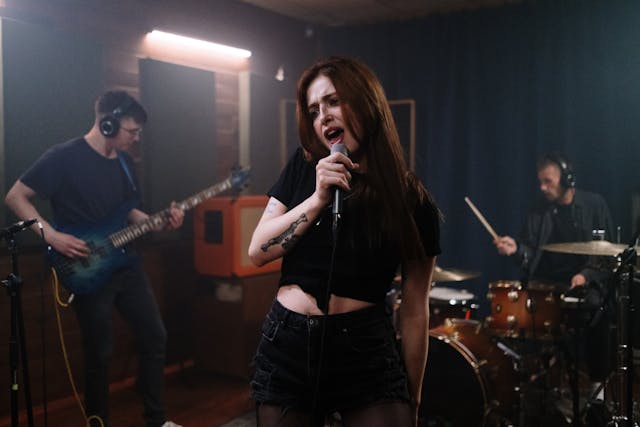
Community can form around genre, emotion, lifestyle, values, local identity or a shared aesthetic. A lo-fi artist may build a community around calm and late-night listening. A rock band may build one around live energy and honesty. An Afro House producer may build one around rhythm, dance culture and warm club atmosphere. A singer-songwriter may build one around storytelling and emotional intimacy.
The point is not to force intimacy. The point is to create continuity. Fans support artists they feel connected to, not only songs they heard once.
Content Should Move Listeners Through a Journey
Indie artists often post content without thinking about the listener journey. One day they share a teaser. The next day a random photo. Then a release link. Then silence. Then another announcement weeks later. The audience receives scattered pieces, but not a clear path.
A stronger approach treats content as a journey. First, introduce the mood. Then reveal the story. Then show the music. Then invite listening. Then share reactions. Then deepen the connection through process, performance or meaning. Then guide the listener toward the next release or the catalog.
Each piece of content should answer one question. Why should someone care? What should they hear? What should they feel? Where should they go next?
This does not mean every post must be perfectly strategic. Artists still need spontaneity. But the campaign needs direction. Without direction, content becomes noise. With direction, content becomes movement.
Catalog Marketing Will Matter More
The future of indie music marketing is not only about new releases. It is also about catalog. Independent artists often abandon songs too quickly, treating anything older than a few weeks as finished business. That is a mistake.
Most potential listeners have not heard the artist’s older music. To them, a two-year-old song can still be a new discovery. A strong catalog gives new fans somewhere to go after one track catches their attention.
Artists should regularly reconnect new content to previous releases. A playlist placement can revive an older track. A short video can reintroduce a song with a new angle. A live session can give catalog material fresh life. A themed playlist can connect past songs into a clearer artist story.
Catalog marketing is how independent artists stop treating every single as disposable. Each song becomes part of a larger structure. Every new listener becomes an opportunity to explore more than one release.
Data Should Guide, Not Replace, Taste
Modern artists have access to more data than ever. Streaming dashboards, social insights, playlist performance, video retention and audience geography can all reveal useful patterns. But data should not become the artist’s creative boss.
Numbers can show where attention appears. They can reveal which clips hold viewers, which playlists bring saves, which cities respond and which songs lead people deeper into the catalog. This information is valuable.
But taste still matters. Identity still matters. Some songs grow slowly. Some audiences are small but loyal. Some content builds trust even if it does not explode instantly. Artists who chase every spike may lose the thread of their own project.
The smartest indie marketers use data as feedback, not as a personality transplant. They study the signals, then make better creative decisions without surrendering the artist’s soul to a graph.
The New Strategy Is Hybrid
The future of indie music marketing is hybrid. It combines algorithmic discovery, human curation, video content and direct fan connection. Each element plays a different role.
Algorithms create reach. Curators create context. Video creates recognition. Direct fan connection creates loyalty.
An independent release campaign might begin with short teasers, then move into playlist pitching, then activate Reels, Shorts and TikTok around the strongest hook, then share a behind-the-scenes story, then announce curator support, then send a direct fan update, then reconnect listeners to the catalog. None of these actions is magic alone. Together, they create momentum.
This is the new standard. Artists need multiple touchpoints because listeners move across multiple spaces. A fan may discover a song through one channel and become loyal through another. The campaign must be ready for that movement.
Independent Artists Need to Think Like Small Creative Companies
In 2026, independent artists are not only releasing music. They are managing sound, image, storytelling, video, data, community and distribution. That can feel overwhelming, but it also gives artists more control than previous generations could imagine.
Thinking like a small creative company does not mean becoming cold or corporate. It means organizing the work around the music. A song deserves a plan. A video deserves several formats. A playlist placement deserves follow-up. A fan deserves direct communication. A catalog deserves reactivation. A campaign deserves structure.
The artist remains the center. The strategy exists to help the music travel.
Independent artists who understand this can move with more confidence. They are not waiting for one platform to save them. They are building a network of discovery, recognition and connection around every release.
The Future Is Not More Noise, It Is Better Connection
The next phase of indie music marketing will not reward artists who simply shout louder. The market is already loud enough. It will reward artists who create clearer signals, stronger stories and more meaningful paths between discovery and fandom.
Playlists will continue to matter because people still want guided listening. Video content will continue to matter because discovery is increasingly visual. Algorithms will continue to matter because platforms shape what audiences see and hear. Direct fan connection will matter even more because artists need relationships that survive beyond the feed.
The winning strategy is not choosing one of these. It is combining them.
A song can enter through an algorithm, gain credibility through a curator, become memorable through video and become valuable through direct fan connection. That is the future of indie music marketing, not a single channel, not a lucky placement, not a viral prayer, but a connected system built around real identity.
Independent artists do not need to be everywhere at once. They need to be clear wherever they are. They need songs that speak, visuals that support, content that guides, curators that fit, platforms that amplify and fans who feel included.
The future will belong to the artists who understand that promotion is not only about reaching people. It is about giving them a reason to come back.