
In 2026, one music video is no longer enough because one piece of content rarely carries a release by itself. A single clip may still matter. It can still define the visual world of a song, give the artist a stronger identity, and create a powerful emotional reference point. But if it remains isolated, posted once and left to survive alone, it loses much of its potential.
The modern music video is no longer just a finished product. It is the center of a content system. It can become teasers, reels, shorts, live sessions, lyric videos, behind-the-scenes moments, performance cuts, vertical edits, storytelling clips, thumbnail assets, press material and social proof. A well-planned video can feed an entire release campaign for weeks, sometimes months.
For independent artists, this shift is not a burden. It is an opportunity. The question is no longer, “How do I make one great clip?” The better question is, “How many meaningful pieces of content can this video create?”
The Old Music Video Model Has Collapsed
The classic music video was built for a different media environment. It was designed for television, then YouTube, then social sharing. It carried prestige. It gave artists a visual identity. It created memorable moments that could live far beyond the song itself.
That power has not disappeared. A strong music video can still elevate a track. It can give journalists something to write about, fans something to share, and curators a clearer sense of the artist’s universe. But the way audiences consume video has changed completely.
Listeners now move between platforms, formats and attention spans. They may discover a song through a fifteen-second vertical clip, watch a chorus section on a phone, see a lyric extract in a story, catch a live version on YouTube, then finally watch the full official video days later. Discovery is fragmented. The release strategy must match that reality.
Posting only one full-length clip assumes the audience will arrive in the right place, at the right time, with enough patience to watch from beginning to end. That assumption is expensive. Independent artists cannot afford to rely on perfect audience behavior. They need multiple entry points.
A Music Video Is Now a Campaign Asset
The smartest artists no longer treat the music video as a single file. They treat it as a master asset. From one shoot, one visual concept or one performance, they build a campaign library that serves different platforms and moments.
A horizontal official video can live on YouTube. A vertical chorus edit can become a Reel, Short or TikTok post. A cinematic still can become cover art for a social announcement. A close-up moment can become a teaser. A lyric section can become a text-led clip. A studio scene can become behind-the-scenes content. A raw performance take can become a live version.
This approach changes the economics of video. Even a modest shoot becomes more valuable when it produces enough material to support the full release cycle. Instead of spending time, energy and budget on one upload, the artist creates a visual ecosystem.
For independent musicians, this is essential. Most do not have major-label budgets. They need every creative decision to work harder. One video should not be one post. One video should become a content engine.
Teasers Build Anticipation Before the Release
A music video should begin working before it is released. The teaser phase is where curiosity starts. It gives the audience a reason to pay attention before the full clip arrives.
A strong teaser does not need to reveal everything. In fact, it should not. It can show a visual detail, a striking location, a few seconds of performance, a line from the chorus, a camera movement, a dramatic silence before the drop, or a single image that captures the mood of the song.
The goal is to create recognition. When the full video appears, the audience should feel they have already entered the world of the release. The color palette, typography, styling and tone should feel familiar. The campaign should not appear suddenly like a stranger at the door with a guitar case and no explanation.
For independent artists, teasers are especially useful because they create multiple reasons to post without repeating the same announcement. “New video coming soon” is not enough. The teaser must offer atmosphere, intrigue or emotion. It must make the viewer feel that something is arriving, not simply being uploaded.
Short-Form Video Is the New Discovery Layer
Short-form video has become one of the most important discovery layers in modern music promotion. It does not replace the full music video, but it often becomes the first contact point between the song and a new listener.
Reels, Shorts and TikTok clips work differently from traditional videos. They reward immediacy. They need a fast hook, a clear visual idea and a reason to watch again. The artist has only a few seconds to create interest. That does not mean every clip must be loud, exaggerated or desperate for attention. It means the idea must be clear quickly.
A short-form edit can focus on the strongest chorus line, the most emotional lyric, the hardest beat switch, the most cinematic shot, the most human behind-the-scenes moment or the most memorable performance gesture. Each version should have a purpose.
The mistake many artists make is simply cutting random fragments from the official video and posting them without context. A short-form clip is not just a smaller version of a longer video. It is its own format. It needs rhythm, framing and intention.
Vertical Edits Should Be Planned During the Shoot
Too many artists think about vertical content after the video is already finished. That usually creates awkward crops, lost details and weak composition. In 2026, vertical edits should be planned from the beginning.
During the shoot, artists and directors should think about both horizontal and vertical framing. Are there shots that work perfectly on a phone screen? Is the artist centered enough for vertical edits? Can close-ups be used for Reels and Shorts? Are there moments with enough visual clarity to survive fast scrolling?
This does not mean every music video must look like social media content. It means the production should capture enough material to serve multiple formats. A cinematic wide shot may be beautiful in the official video, while a tighter performance shot may work better for short-form discovery.
Independent artists should discuss this before filming. The question is simple, what do we need for the full video, and what do we need for the campaign around it?
The Lyric Video Still Has Strategic Value
The lyric video has survived because it solves a simple problem. It gives the song a visual format when the official video is not ready, too expensive, or not designed for every platform. It also helps listeners connect with the writing.
In 2026, lyric videos should not feel like an afterthought. A good lyric video can carry the emotional center of a track. It can highlight the strongest lines, build visual identity and create shareable moments around the words. For genres where storytelling matters, pop, indie, hip-hop, folk, rock, singer-songwriter and even electronic music with vocal hooks, this format can be powerful.
A lyric video can also extend the campaign. It may come before the official video to introduce the song, or after the official video to keep the release active. It can be broken into shorter lyric clips for social media, especially around memorable lines that invite comments, saves or shares.
Lyrics are not only text. They are emotional anchors. When presented well, they help listeners remember the song more deeply.
Behind-the-Scenes Content Builds Trust
Behind-the-scenes content has become one of the most valuable tools for independent artists because it shows process, not just polish. It lets fans see the human work behind the final product.
This matters because modern audiences are surrounded by finished content. Perfect images, polished videos and clean release announcements can become strangely forgettable. A behind-the-scenes clip offers texture. It shows the artist preparing, laughing, testing ideas, missing a take, finding a camera angle, recording a vocal, adjusting a light or explaining why the song exists.
That kind of material does not weaken the official video. It strengthens it. It gives the audience a relationship with the creation process. It turns the release from a product into a story.
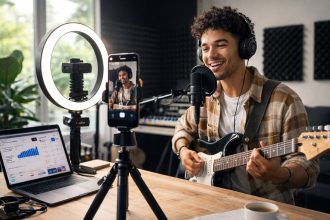
Independent artists should capture behind-the-scenes content intentionally. A phone camera can be enough if the moment is honest and visually usable. The key is to document before, during and after the shoot. The artist walking into the location. The director explaining a scene. The first playback. The final take. The exhausted smile when everything is finally done.
These moments help fans feel included. And inclusion is often what turns casual listeners into real supporters.
Live Sessions Give the Song a Second Life
A live session can reveal something the official video cannot. It shows performance, presence and musical credibility. It proves that the song can breathe outside the studio version.
For independent artists, live sessions are especially useful because they create another version of the release without needing a completely new song. A stripped-back acoustic version, a rooftop performance, a studio live take, a DJ performance cut, a band rehearsal version or a one-take vocal session can all add depth to the campaign.
This format works because it gives fans a different emotional angle. The official video may be cinematic. The live session can be intimate. The studio version may be polished. The live version can feel raw. The original track may be built for streaming. The live version can show musicianship.
A song becomes stronger when it can exist in several forms. Each version gives a different type of listener a way in.
Performance Clips Are Perfect for Artist Identity
Not every video asset needs a complex concept. Sometimes the most effective content is simply the artist performing with conviction. A strong performance clip can communicate attitude, style and personality faster than a long caption ever could.
For a rapper, that might mean a direct-to-camera verse. For a rock band, a tight rehearsal-room chorus. For an electronic producer, a live controller performance or DJ-style breakdown. For a singer, a close vocal take that highlights tone and emotion.
Performance clips help viewers understand the artist’s energy. They also give social platforms a format that feels immediate and human. The audience sees the music being delivered, not just represented.
This is particularly important for independent artists who are still building recognition. People do not only need to hear the song. They need to remember who is behind it.
Every Platform Needs a Different Cut
One of the biggest mistakes in music video promotion is posting the same asset everywhere with no adaptation. Each platform has its own behavior, rhythm and audience expectation.
YouTube rewards deeper viewing and search visibility. Shorts rewards instant hooks and repeatable moments. Instagram Reels often works well with strong visuals, lifestyle context and emotional immediacy. TikTok can reward personality, storytelling, humor, rawness and community participation. Facebook may still serve certain audiences well for longer captions and shares. A website article can provide context, credits, links and a more permanent home for the release.
The song is the same. The video world is the same. But the edit should change.
A professional campaign does not simply copy and paste. It translates. A full music video becomes a cinematic YouTube upload. The chorus becomes a vertical hook. The lyric becomes a text clip. The shoot becomes behind-the-scenes. The performance becomes a live cut. The story becomes an interview post.
This is how one clip becomes a real campaign.
The Release Timeline Should Be Built Around Video Assets
A strong music video campaign needs timing. Without it, even good content can feel scattered. Artists should plan the video assets before release week, not improvise after the first post underperforms.
The campaign can begin with a mood teaser before the song drops. Then a short vertical hook can introduce the strongest musical moment. On release day, the official video or main visual can become the central post. Afterward, lyric clips, behind-the-scenes moments, live sessions and alternate edits can continue the story.
The key is to create movement. Each piece should reveal something new, not simply repeat the same message. The teaser builds curiosity. The official video delivers the world. The lyric clip deepens the emotion. The behind-the-scenes post humanizes the process. The live session proves the song can stand on its own. The short-form edits keep discovery active.
A release should not disappear after forty-eight hours. A video asset plan helps extend its life.
Storytelling Matters More Than Expensive Production
Budget helps, but it does not guarantee impact. In 2026, audiences often respond more strongly to clarity, emotion and authenticity than to expensive visuals with no soul.
An independent artist does not always need a luxury shoot. They need a strong idea. A memorable location. A consistent visual identity. A clear emotional angle. A reason for the viewer to stay.
A simple video can work beautifully if it understands the song. A lo-fi track may need intimacy, warmth and slow movement. A techno track may need rhythm, light, shadow and physical energy. A folk song may need human detail and natural space. A hip-hop track may need presence, framing and attitude. A cinematic electronic piece may need atmosphere and visual tension.
The worst music videos are not always the cheapest. They are the ones with no point of view. The camera moves, the artist performs, the edit cuts, but nothing remains. A strong concept, even a small one, is more valuable than empty decoration.
Independent Artists Need a Video Content Library
Thinking like a label means building a library, not just a post. Every release should leave the artist with reusable visual material.
This library can include full clips, vertical edits, still images, cover variations, raw behind-the-scenes footage, performance takes, lyric templates, short captions, thumbnail options and platform-specific versions. Over time, this becomes a powerful asset bank.
When the artist needs to promote an older track, there is material ready. When a playlist placement arrives, there is a clip to support it. When an interview is published, there is a visual to share. When a fan discovers the artist, the project looks active and coherent.
Independent artists often lose momentum because they have no content ready when opportunities appear. A video content library solves that problem. It gives the artist speed.
A Music Video Should Drive Listeners Somewhere
Visibility alone is not enough. Every video asset should have a destination. That destination may be the full song, the official video, a streaming link, a playlist, a website article, a mailing list, a live show, a pre-save page or an artist profile.
Too many artists create strong content but forget the next step. The viewer enjoys the clip, then leaves. The moment dies beautifully, like a dramatic actor in a very small-budget film.
A good video campaign guides attention. The caption should be clear. The link should be easy to find. The artist profile should be updated. The pinned content should make sense. The release should feel active across platforms.
Short-form content can create the spark, but the artist must build the path that follows.
One Song, Many Angles
The real power of video in 2026 is not repetition. It is variation. One song can be presented through many angles without feeling forced.
There is the emotional angle, what the song means. The production angle, how it was made. The performance angle, how the artist delivers it. The visual angle, what world it creates. The lyric angle, what line carries the message. The fan angle, how people react. The live angle, how the song changes outside the studio. The curator angle, where the track fits in playlists and moods.
Each angle creates a different type of content. Each type of content reaches a different kind of listener. Some people respond to story. Others respond to visuals. Others respond to performance. Others need one powerful lyric. Others need to hear the hook three times before they care.
A full campaign respects these different entry points. It does not assume one video can do every job at once.
The Music Video Is Still Important, But Its Role Has Changed
It would be a mistake to say the official music video no longer matters. It does. It remains a central piece of artist identity. It gives the release a visual landmark. It can make a song feel more serious, more complete and more memorable.
But its role has changed. The official video is no longer the entire strategy. It is the main chapter in a larger visual story. Around it, artists need shorter edits, alternate formats, social clips, lyric moments, live versions and behind-the-scenes material.
The full clip gives depth. The short clips create discovery. The behind-the-scenes content builds connection. The live session adds credibility. The lyric video strengthens emotional recall. Together, they give the song a longer life.
This is the new video reality for independent artists. One clip can still be powerful. But one clip alone is rarely enough.
The Artists Who Win Will Think in Systems
Music promotion in 2026 rewards artists who think beyond isolated moments. A release is not just a date. A video is not just a file. A post is not just a caption. Everything connects.
The artists who use video well will plan before they shoot. They will capture material for several formats. They will create teasers before release day. They will prepare vertical edits for discovery. They will use lyric clips to deepen the message. They will show behind-the-scenes moments to build trust. They will create live sessions to extend the song’s life. They will guide viewers toward listening, following, saving and sharing.
This does not require pretending to be a major label. It requires thinking with intention. A phone, a good idea, a clear visual identity and a planned timeline can already do more than an expensive clip dropped into silence.
In 2026, the music video is not dead. It has multiplied.
For independent artists, that multiplication is the point. One song can become a visual world. One clip can become a campaign. One campaign can become recognition. And recognition, when handled with care, can become the beginning of a real audience.
The full music video still matters. But the artists who understand its true value will not stop there. They will cut it, reshape it, reframe it, perform it, explain it, humanize it and send it into the world through every format that makes sense.
Because in the modern music economy, a video is not just something people watch. It is how a song learns to travel.