
Two Labels: AI-Generated and AI-Assisted
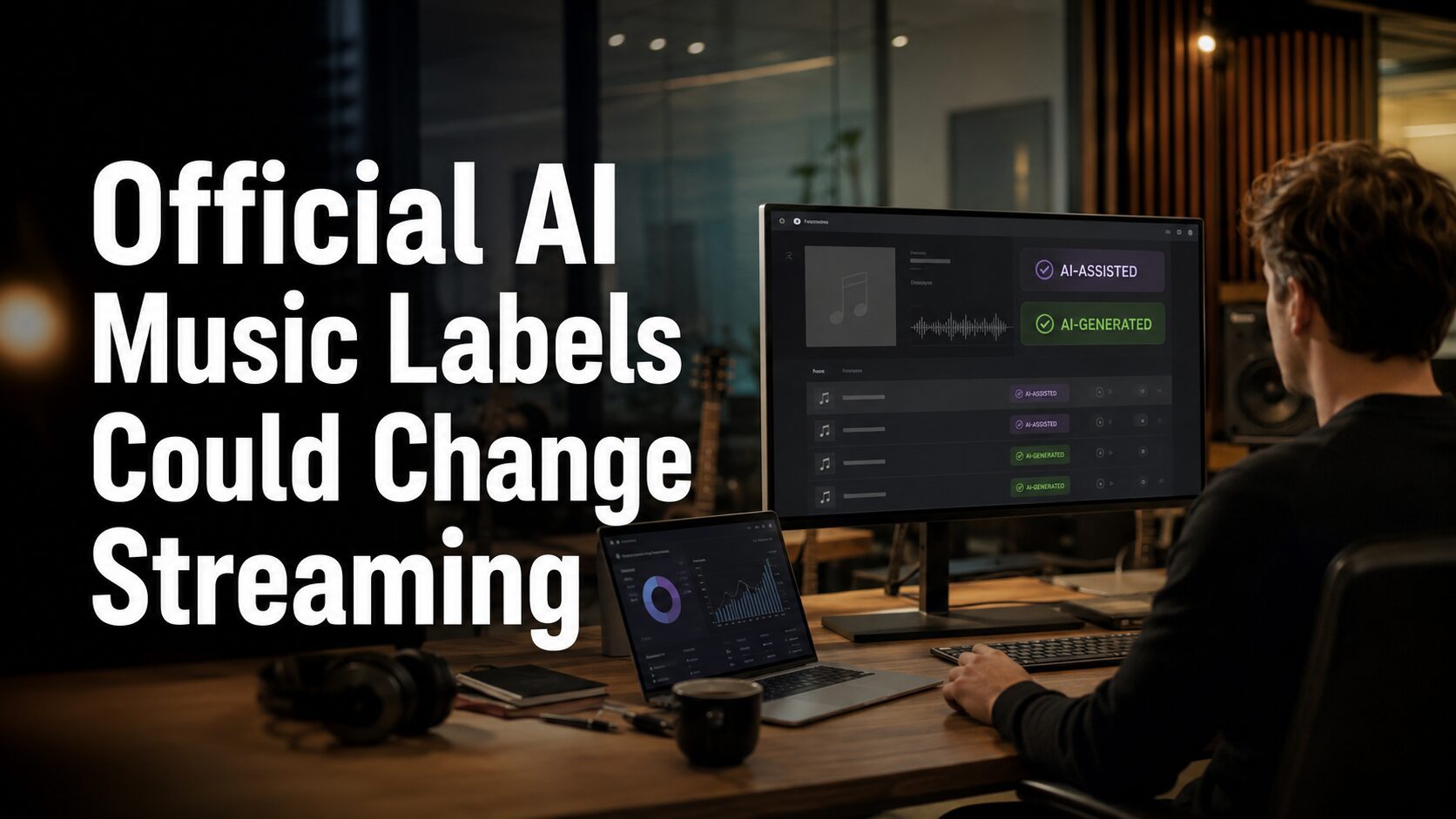
The proposed system introduces two main track-level labels: AI-Generated and AI-Assisted.
The AI-Generated label would apply when generative AI was used to create the entirety, or the primary creative elements, of a recording. This can include an AI-generated lead vocal, a key instrumental performance generated by AI, or music created almost entirely from prompts.
The AI-Assisted label is different. It would apply when a recording was created substantially by humans, but generative AI was used for some expressive elements. In this case, the lead vocal and primary instruments remain human-performed, while AI may have helped with certain creative details.
This distinction is essential. The music industry is not saying that every use of AI is the same. A fully prompt-generated track is not equivalent to a human artist using AI as a limited creative tool. By separating AI-Generated from AI-Assisted, the proposed labels recognize the difference between replacement and assistance.
Why This Matters for Streaming Platforms
Streaming platforms are now facing a catalog problem. AI tools make it possible to generate large volumes of music quickly, cheaply and at industrial scale. This creates pressure on recommendation systems, editorial playlists, royalty pools and artist discovery.
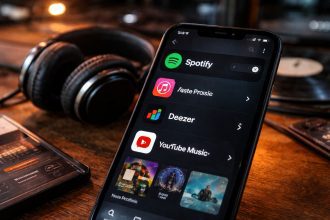
Without clear labeling, listeners may not know whether a song was performed by a real artist, created with AI assistance or generated mostly by a machine. For platforms like Spotify, Apple Music, Deezer, Tidal, YouTube Music and Amazon Music, AI labeling could become as important as explicit content warnings or verified artist badges.
The real issue is trust. If fans feel that streaming platforms are filled with synthetic content without disclosure, the connection between artists and audiences becomes weaker. Music has always been built on identity, emotion and authorship. AI does not remove those values, but it does force the industry to protect them more clearly.
A Turning Point for Independent Artists
For independent artists, official AI labels could become a useful protection. Many indie musicians already struggle to be heard in an overcrowded streaming market. If fully AI-generated catalogs continue to grow without transparency, real artists risk being buried under an even larger wave of anonymous content.
Clear labels could help separate human creativity from automated catalog production. They could also give independent artists a stronger way to communicate authenticity. In a market where anyone can upload hundreds of synthetic tracks, a real artistic identity becomes more valuable.
This does not mean independent artists should avoid technology. AI can be useful for editing, sound design, demo creation, mastering assistance, idea generation or workflow improvement. The problem is not the tool itself. The problem is deception, mass automation and the replacement of human creativity without disclosure.
The Metadata Challenge
For these labels to work, they cannot be only visual. They need to be supported by metadata. That means distributors, aggregators, labels and platforms will need a reliable way to carry AI information through the music supply chain.
This is where the real challenge begins. A label on a streaming app is only the final step. Before that, someone must declare, verify and deliver the correct information. If AI labeling becomes part of standard music metadata, distributors may need new upload forms, rights holders may need clearer documentation and platforms may need stronger detection systems.
The industry is moving toward a future where AI use becomes part of the release information, just like credits, rights ownership, explicit lyrics or copyright data. That is a major shift for artists and labels.
Transparency Is Not a Ban
It is important to understand that AI labeling is not the same as banning AI music. The proposed labels are about transparency, not censorship. They allow listeners to make informed choices and help platforms organize their catalogs more honestly.
This distinction matters. AI will remain part of modern music production. Some artists will use it creatively. Some will use it only as a technical assistant. Others will release fully AI-generated recordings. The industry’s challenge is to make those differences visible, instead of pretending that every track has the same creative origin.
What Artists Should Do Now
Artists should start thinking seriously about how they use AI in their creative process. If AI is used for vocals, instrumental performances, arrangement elements or expressive parts of a recording, it may eventually need to be declared.
Independent musicians should also keep their artist identity strong and transparent. A clear bio, real visuals, active social links, consistent branding and proper credits will become increasingly important in a market where authenticity is under pressure.
The safest long-term strategy is simple: use technology when it supports your creativity, but do not hide the role it plays. Fans can accept experimentation. What they do not like is feeling deceived.
Conclusion
The push for official AI labels marks a major step in the evolution of music streaming. The industry is no longer asking whether AI belongs in music. It is asking how AI should be disclosed, categorized and understood by listeners.
With AI-Generated and AI-Assisted labels, the music business is trying to build a more transparent system before synthetic content overwhelms the streaming economy. For platforms, this is about trust. For artists, it is about protection. For fans, it is about knowing what they are listening to.
The future of music will include AI. But if the industry wants that future to remain credible, human creativity must stay visible.