
In 2026, curators are not only listening for a good song. They are listening for readiness. They want music that sounds professional, fits their playlist identity, arrives with a clear direct link, respects their time and comes from an artist who seems to understand their own world. A playlist is not a charity box for random uploads. It is a curated listening experience, and every new track has to earn its place.
For independent artists, this is both a challenge and an opportunity. The challenge is that competition is intense. The opportunity is that most artists still pitch badly. They send vague messages, wrong genres, unfinished mixes, broken links, multiple songs at once and copy-paste compliments so cold they could master a techno track by themselves.
The artists who stand out are not always the loudest. They are the clearest. They know what they are sending, where it belongs, why it fits and how to make the curator’s job easier.
Curators Want Sound Quality Before Anything Else
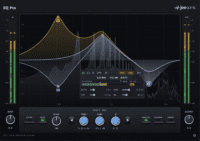
A playlist curator may love discovery, support independent artists and enjoy fresh music, but there is one rule that rarely changes, the track must sound ready. Good intentions do not fix a weak mix. A charming message cannot rescue harsh vocals, muddy bass, uncontrolled dynamics or a master that collapses next to the other songs in the playlist.
Sound quality is the first filter because playlists are built for listeners, not for artist development. When a track enters a playlist, it has to sit naturally beside other records. It cannot feel unfinished, underpowered or technically distracting. The curator is protecting the flow of the playlist, and that flow depends on consistency.
This does not mean every independent artist needs an expensive studio or major-label polish. It means the track must communicate clearly. The vocal should be controlled. The low end should not fight itself. The drums should have shape. The master should feel balanced across headphones, speakers and phones. The arrangement should hold attention without overcrowding the song.
Curators may not always describe these problems in technical language, but they hear them instantly. If the song feels amateur next to the rest of the playlist, it probably will not be added.
A Good Song Still Needs the Right Context
One of the biggest mistakes independent artists make is assuming that a good song fits everywhere. It does not. A track can be excellent and still be wrong for a specific playlist.
Curators think in context. They ask whether the song matches the playlist’s energy, mood, genre, tempo, audience and emotional direction. A beautiful acoustic ballad does not belong in a high-energy indie rock playlist. A polished Afro House track may not fit a deep melodic techno selection. A lo-fi beat with soft piano may work perfectly in a late-night study playlist, but feel completely misplaced in a hip-hop workout list.
This is why artists need to research before pitching. The playlist title is not enough. Listen to the tracks. Study the flow. Notice the production style. Understand the audience. Is the playlist focused on discovery, mood, genre, era, activity or cultural identity? Does your track genuinely belong there, or are you simply hoping the curator will make space for it?
Curators can tell when an artist has listened. They can also tell when the artist has sent the same message to fifty playlists without caring where the song lands.
Coherent Artistic Identity Matters More Than Ever
Playlist pitching is not only about one track. Curators often click the artist profile. They look at the cover art, artist image, biography, catalog, release history and overall presentation. They want to know whether the song belongs to a real project or feels like a random file pushed into distribution.
A coherent artistic identity gives the curator confidence. It shows that the artist has direction. The music, visuals and public presence feel connected. The artwork matches the mood. The artist profile is active. The catalog makes sense. The project has a recognizable energy.
This matters because curators do not only add songs, they build trust with their listeners. If they introduce an artist, they want that artist to feel credible. A strong identity makes the track easier to understand, easier to position and easier to support.
Independent artists should treat their public profile like a landing page. If a curator likes the song and checks the artist, the project should answer quickly, who is this, what world does the music belong to, and why should anyone care beyond this one track?
The Direct Track Link Is Not a Detail
Curators want a direct link to the exact song. Not an artist profile. Not an EP page. Not a full album. Not a vague “check my music” message. The direct track link is basic professional respect.
When a curator receives hundreds of submissions, friction matters. Every extra click reduces the chance of being heard. If the curator has to search through an artist page, guess which song is being pitched or ask for clarification, the pitch is already losing energy.
A strong submission gives the curator exactly what they need. The artist name, track title, genre or mood, direct link, short context and release status. Nothing buried. Nothing hidden. Nothing that turns a simple listen into a small administrative mission.
This is especially important when the artist has multiple recent releases. Curators should never have to wonder which track they are supposed to consider. The direct link says, “This is the song. This is the moment. Here is why it fits.”
Spam Is the Fastest Way to Be Ignored
Playlist curators are not allergic to independent artists. They are allergic to spam. There is a difference.
Spam is sending the same message repeatedly. Spam is pitching the wrong genre. Spam is submitting five songs at once when the curator asked for one. Spam is following up aggressively after two days. Spam is pretending to have listened to a playlist when the song clearly does not fit. Spam is using fake flattery and generic language that could apply to any curator on earth.
Artists sometimes confuse persistence with pressure. Persistence is building relationships over time, improving the music and pitching with relevance. Pressure is making the curator regret having public contact information.
A curator who feels respected is more likely to listen carefully. A curator who feels spammed is likely to move on quickly, even if the music might have been decent. In a high-volume submission environment, behavior becomes part of the pitch.
Curators Want Short, Clear and Human Messages
A playlist pitch does not need to be a novel. It does not need dramatic life history, invented hype or a paragraph explaining that music has always been the artist’s oxygen. Curators want clarity.
A good message introduces the track quickly, explains the sound, gives a useful reference point and connects the song to the playlist’s identity. The tone should feel human, not desperate. Professional, not robotic. Confident, not inflated.
Instead of saying, “This is my new hit single and it will change the music industry,” an artist can say, “This is a warm Afro House track built around organic percussion, deep bass and a late-night melodic atmosphere. I think it could fit your playlist because it matches the groove and mood of your recent selections.”
That kind of pitch helps the curator listen with context. It shows awareness. It respects the playlist. It gives the song a frame without drowning it in noise.
Genre Accuracy Is a Professional Skill
Many artists describe their music too broadly. “Pop”, “electronic”, “urban”, “rock” or “indie” may be technically true, but they are often not specific enough for playlist pitching.
Curators need precision. Is the track indie pop, bedroom pop, synth pop, dark pop or alternative pop? Is it Afro House, Organic House, Deep House, Tech House or Melodic House? Is it boom bap, trap, drill, conscious rap or lo-fi hip-hop? Is it hard rock, alternative rock, post-grunge or modern metal?
Accurate genre description helps the curator place the song mentally before listening. It also reduces mismatched submissions. If an artist cannot describe their own sound clearly, the curator may assume the project is not fully defined.
This does not mean artists should trap themselves in rigid labels. Hybrid music exists, and many strong tracks live between genres. But even hybrid music needs a clear entry point. Curators need language that helps them understand where the song belongs.
Mood Can Be More Important Than Genre
In the playlist world, mood often matters as much as genre. Listeners search for energy, atmosphere and use cases. They want songs for focus, running, driving, dancing, relaxing, studying, crying quietly with dignity or pretending they are the main character while walking to buy bread.
Independent artists should understand the emotional function of their tracks. Is the song uplifting, melancholic, cinematic, aggressive, intimate, nostalgic, sensual, dark, warm, hypnotic or euphoric? Does it fit morning energy, late-night listening, club peak time, background concentration or emotional storytelling?
A pitch that includes mood gives curators useful information. It helps them imagine where the track sits inside the playlist flow. A song is not only a genre object. It is a listening situation.
The more accurately an artist can describe that situation, the easier it becomes for a curator to say yes.
The Artist Profile Should Support the Pitch
A playlist pitch does not end at the link. If the curator is interested, they may look deeper. An incomplete artist profile can weaken the submission.
Independent artists should make sure their profiles are updated before pitching. The artist image should be clean. The bio should be concise and useful. Social links should work. The latest release should be visible. Cover art should look professional. The catalog should not feel abandoned or confusing.
This is not about vanity. It is about confidence. A serious profile tells the curator that the artist is active, intentional and ready to be discovered by new listeners.
Playlist placement can bring fresh attention. The profile must be ready to convert that attention into saves, follows and deeper listening. Otherwise, the artist may gain streams without building memory.
Curators Want Artists Who Understand Fit, Not Just Exposure
Many artists approach playlisting as a numbers game. They want the biggest playlist possible, the highest follower count, the broadest exposure. Curators think differently. They care about fit.
A smaller playlist with a clear identity and active listeners can be more valuable than a large unfocused playlist where the track becomes invisible. A niche curator who truly understands the genre may bring better engagement than a huge list built around passive background listening.
Artists should pitch for relevance first. Does the playlist audience match the song? Does the track strengthen the listening experience? Would someone following that playlist be happy to discover this artist?
Exposure without fit can create empty numbers. Fit creates connection. Curators know this, and artists need to learn it too.
Timing Can Decide Whether a Pitch Gets Heard
Good playlist pitching needs timing. Sending a track too late can limit opportunities, especially for editorial consideration. Sending too early without a clear release plan can also create confusion. Curators need enough time to listen, decide and schedule.
Independent artists should prepare their playlist strategy before release day. The track should be finalized. The artwork should be ready. The distribution date should be set. The pitch should be written with care. The target playlists should be selected intentionally.
Last-minute pitching often feels rushed because it is rushed. Curators can sense when an artist is scrambling. A professional timeline suggests that the release is part of a real campaign, not a panic upload followed by prayers to the algorithmic weather.
The earlier an artist organizes the process, the stronger the pitch becomes.
Do Not Send Unfinished Music Unless Asked
Some artists send demos, rough mixes or private works in progress to curators and expect them to imagine the final version. That is rarely a good idea.
Curators are not usually acting as producers, managers or A&R consultants. They are deciding whether a track fits a playlist now. If the version they hear is unfinished, their answer will usually be based on that version. A weak demo can damage the first impression of a song that might later become strong.
There are exceptions. Some curators, blogs or industry contacts may specifically ask to hear early material. But for playlist pitching, artists should send finished, release-ready music.
First impressions are difficult to reset. Do not ask a curator to imagine the record you have not yet delivered.
Personalization Beats Mass Submission
A personalized pitch does not mean writing a long emotional letter to every curator. It means showing that the submission is intentional.
The artist can mention the playlist by name, reference its mood or explain why the track fits recent selections. This small effort separates a real pitch from a mass message. Curators notice when the artist understands their work.
Mass submission may feel efficient, but it often creates poor results. The more generic the pitch, the easier it is to ignore. Curators want to feel that the artist is offering something relevant, not simply throwing tracks at every open inbox.
Personalization is not decoration. It is proof of listening.
Curators Are Protecting Their Audience
Artists often think of playlisting from their own perspective, more streams, more discovery, more visibility. Curators think from the listener’s perspective. Will this track improve the playlist? Will it keep people listening? Will it match the promise of the selection? Will it feel natural between the songs around it?
This is important to understand. A curator does not owe an artist a placement because the artist worked hard. Every serious artist works hard. The curator’s responsibility is to the playlist experience.
When artists understand this, their pitches improve. They stop asking for favors and start offering value. They explain how the track fits the mood, why it strengthens the flow and what kind of listener it can reach.
The best pitch is not “please help me.” It is “this song belongs here, and here is why.”
Fake Numbers and Artificial Hype Are Dangerous
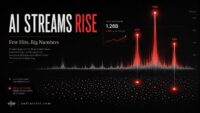
Curators are becoming more cautious about suspicious activity. Inflated streams, fake followers, botted playlists and artificial engagement can damage trust. A track with strange numbers may look less attractive, not more.
Independent artists should avoid shortcuts that create the illusion of momentum. Fake growth can harm credibility with curators, platforms and industry professionals. It can also distort the artist’s understanding of their real audience.
Organic growth may be slower, but it gives better information. Real listeners save, return, comment, share and explore. Fake attention disappears without building anything.
Curators want music that connects with people, not statistics wearing a costume.
Follow-Up Should Be Polite, Not Heavy
Following up is acceptable when done carefully. A short, respectful message after a reasonable delay can be useful. But repeated follow-ups, guilt-based messages or pressure tactics usually hurt more than they help.
Curators receive many submissions. Silence does not always mean disrespect. It may mean the track did not fit, the curator had no space, the playlist direction changed, the timing was wrong or the inbox was simply overloaded.
A professional artist can follow up once, then move on. If the curator responds positively, build the relationship. If not, keep improving, keep researching and pitch again when the next track genuinely fits.
Playlist pitching is a long game. Burning bridges over one unanswered message is not strategy. It is cardio for frustration.
Playlisting Should Be Part of a Wider Release Strategy
Curators are more likely to take an artist seriously when the release has movement around it. Playlist pitching should not happen in isolation. It should connect to video content, social storytelling, artist branding, press outreach, live performance, catalog strategy and fan engagement.
If a song gets added to a playlist, the artist should support the placement. Share it. Thank the curator when appropriate. Use the playlist context in social content. Encourage fans to listen. Connect the placement to the release story. Make the moment visible.
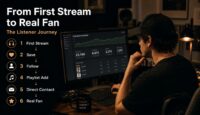
A playlist add can create discovery, but the artist must turn discovery into relationship. The profile should be ready. The content should be active. The next step should be clear. Listeners need a reason to remember the name behind the track.
In 2026, playlisting works best when it is one part of a complete campaign.
What Curators Really Want
Curators want music that respects the playlist and the listener. They want quality sound, clear identity, accurate genre and mood, direct links, professional presentation and artists who understand fit. They want submissions that feel intentional, not automated. They want tracks that strengthen the listening experience.
They do not want spam. They do not want unfinished demos. They do not want five links with no explanation. They do not want fake hype, broken links, wrong genres or messages that make it obvious the artist has never listened to the playlist.
Independent artists who understand this have an advantage. Not because the system is easy, but because so many pitches still fail at the basics.
The New Playlist Pitching Standard
Playlist pitching in 2026 is not about begging for attention. It is about making a strong case for why a song belongs in a specific listening environment. The artist must bring a finished track, a clear identity, a direct link, a relevant pitch and enough respect for the curator’s time to keep the message focused.
A curator does not need to be overwhelmed. They need to be convinced quickly. The track should sound ready. The pitch should explain the fit. The profile should support the artist’s identity. The campaign should show that the release is alive beyond one submission.
For independent artists, this is good news. Playlist pitching is not only about access. It is about preparation. The artist who prepares better, listens better and communicates better already stands out before the first chorus.
In a music world flooded with uploads, clarity becomes power. The right song, sent to the right curator, with the right context and the right presentation, can still open doors.
But the playlist is not the whole career. It is one moment of discovery. What happens after that moment depends on the artist’s sound, identity, consistency and ability to turn a listener into someone who comes back.
That is what curators really want from independent artists in 2026, not noise, not pressure, not empty numbers, but music that fits, sounds strong and belongs to an artist worth discovering.