
Streaming Fraud Returns to the Spotlight After Spotify Removes Fake Streams From Malcolm Todd’s “Earrings”
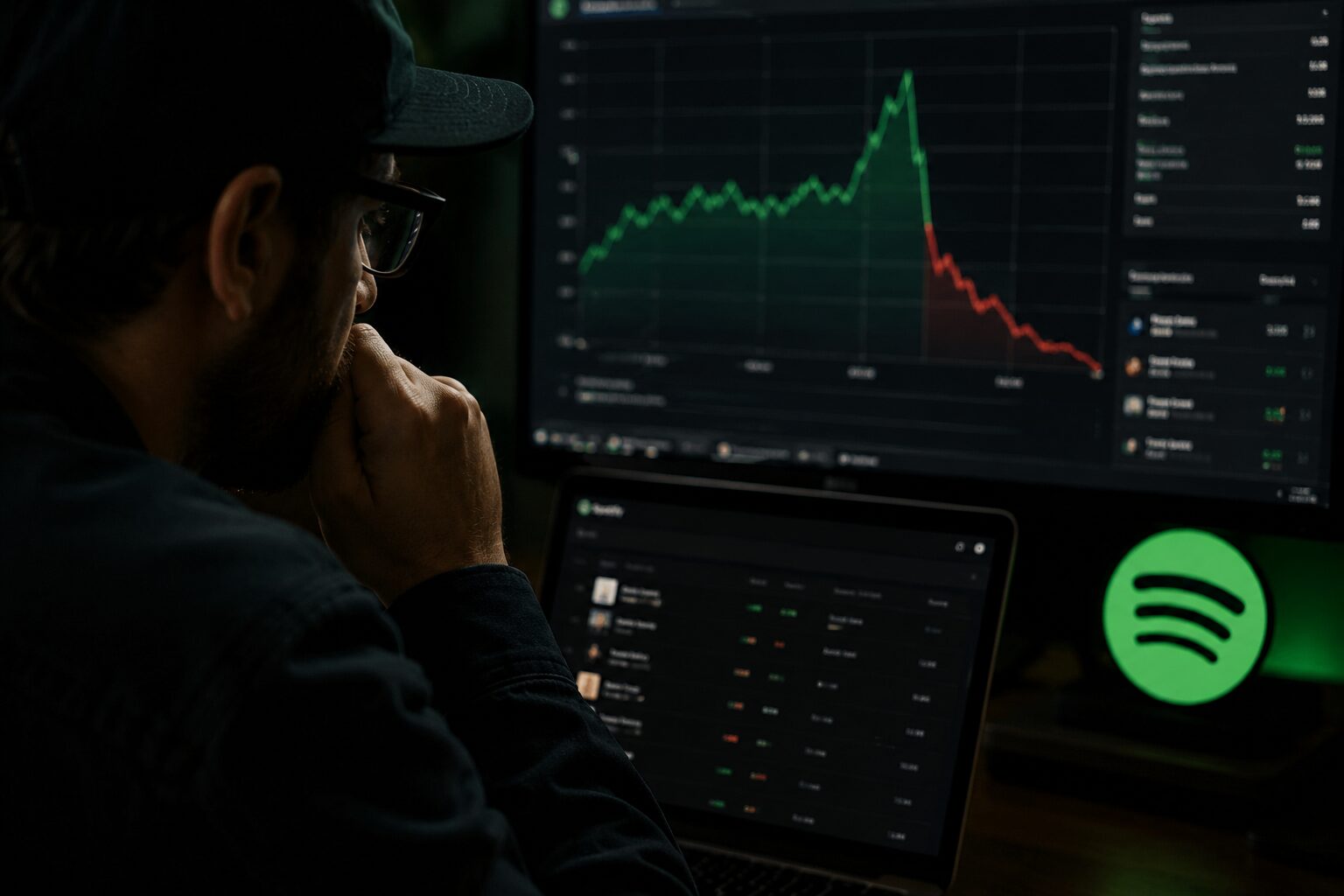
The case quickly attracted attention because the streaming spike appeared around the same time as unusual betting activity on Kalshi, a prediction market where users could wager on music chart outcomes. Spotify confirmed that it had removed streams it believed were not generated by genuine listeners, but it did not confirm that the manipulation was directly created to influence betting markets.
A New Kind of Streaming Fraud Problem
Streaming fraud is not new. For years, platforms have fought against bots, fake playlist schemes, click farms and artificial listening activity. What makes this case more interesting is the possible connection between music charts and financial incentives outside the music industry.
If fake streams can influence chart positions, and chart positions can influence betting markets, streaming manipulation becomes more than a music business problem. It becomes a data integrity problem. The value of a stream is no longer limited to royalties or popularity. It can affect rankings, public perception, media coverage and even speculative markets.
Why Independent Artists Should Pay Attention
For independent artists, the lesson is clear: suspicious streaming activity is becoming more dangerous. Platforms are likely to become even stricter when they detect unusual spikes, bot behavior or unnatural growth patterns.
This matters because many artists are still targeted by services promising “real streams,” “playlist growth,” “viral campaigns” or guaranteed numbers. In reality, these offers can put an artist’s catalog at risk. Fake activity can lead to removed streams, reduced credibility, royalty loss, distribution warnings or even takedowns.
The problem is that artists do not always control everything that happens around their music. A song can be manipulated by third parties, competitors, fake promotion services or people with external financial motives. That makes it even more important for artists to avoid suspicious marketing tactics and monitor sudden, unexplained spikes carefully.
Streaming Platforms Are Entering a Harder Enforcement Era
This case arrives at a moment when major platforms are already under pressure to clean up their ecosystems. AI-generated music, fake artist profiles, impersonation and royalty manipulation have all become major industry concerns. Spotify’s decision to remove streams from “Earrings” shows that platforms are willing to correct numbers when they believe artificial activity has affected their charts.
For the streaming industry, this is about trust. Fans need to trust that charts reflect real listening. Artists need to trust that success is not being distorted by bots. Platforms need to trust their own data. Labels, distributors and advertisers also depend on reliable streaming numbers.
The End of “Numbers at Any Cost”
The old mentality of chasing numbers at any cost is becoming risky. In the current climate, artificial growth can hurt more than it helps. A clean audience, even if smaller, is more valuable than inflated streams that may disappear overnight.
Independent artists should focus on organic promotion, real playlists, social engagement, live communities, direct fan relationships and consistent release strategies. These signals are slower to build, but they are much safer and much more valuable in the long term.
Conclusion
The Malcolm Todd “Earrings” case is a warning sign for the entire music industry. Streaming fraud is evolving, and platforms are paying closer attention to abnormal data. If suspicious activity can influence charts, royalties and even betting markets, enforcement will only become stronger.
For independent artists, the message is simple: avoid fake streams, stay away from guaranteed-growth services and protect your catalog. In the new streaming economy, real listeners are not just better for your career. They are your best protection.