The 2026 edition of YouTube Music Foundry includes 24 independent artists from 11 countries. Since its launch in 2015, the program has supported more than 250 artists, helping them build careers outside the traditional major-label system. For independent musicians, this matters because YouTube is one of the few platforms where a song can grow through multiple formats at the same time: official music videos, Shorts, live sessions, behind-the-scenes content, interviews and fan-driven discovery.
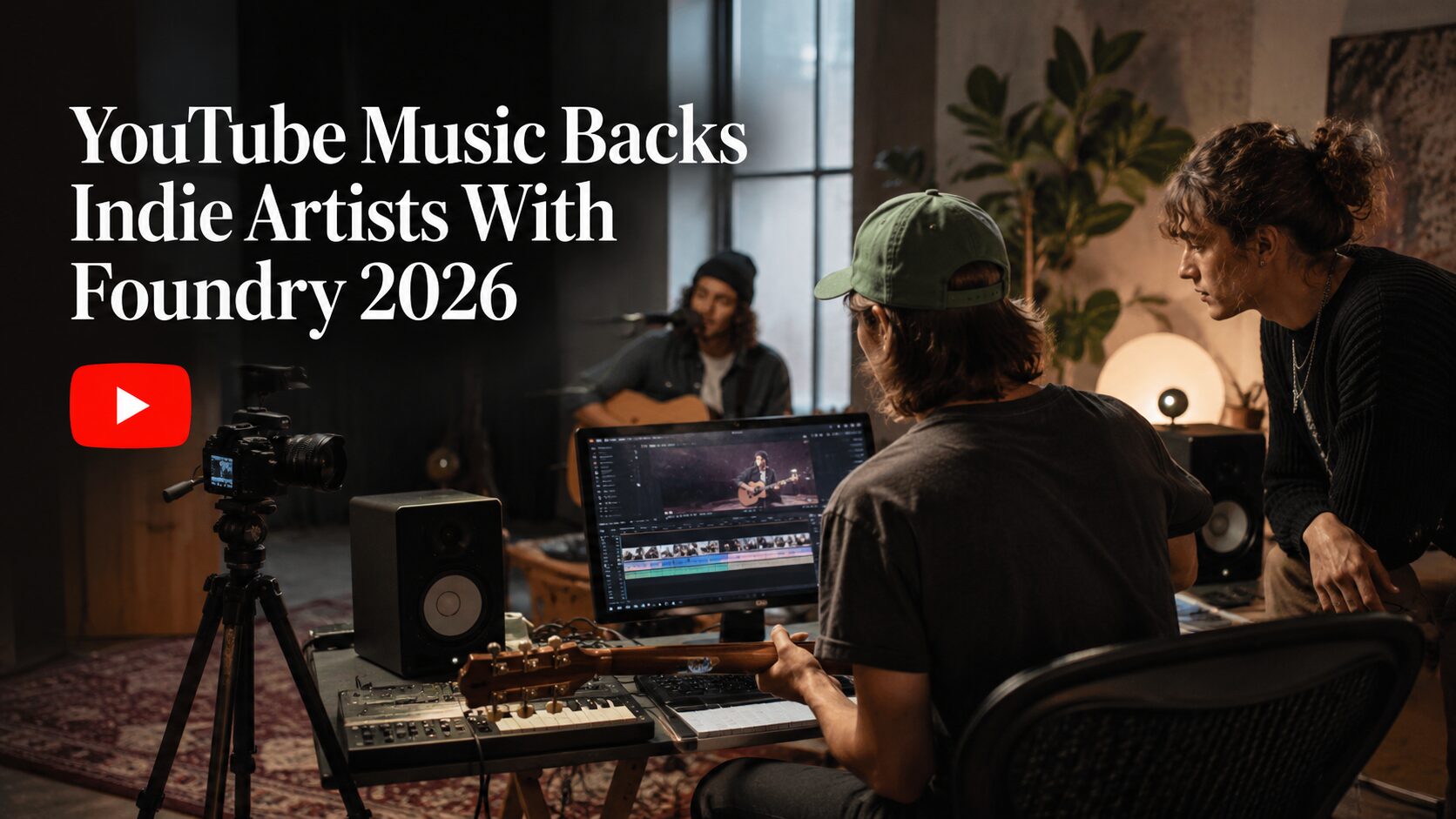
A More Visual Future for Independent Music
Unlike traditional streaming platforms, YouTube Music does not exist in isolation from video culture. An artist’s universe can be built across clips, visualizers, Shorts, community posts and long-form content. This gives independent musicians a wider creative space, especially when they do not have the budget of a major-label campaign.
For emerging artists, the Foundry program is a reminder that music promotion is no longer only about releasing a track and waiting for playlist support. The strongest independent campaigns now combine sound, image, personality and narrative. A good song still matters, of course. But today, the audience often connects first with a world, a face, a story or a visual identity.
This is where YouTube has a major advantage. The platform allows artists to turn every release into a wider creative moment. A single track can become a music video, a Short, a live performance, a studio clip, a lyric video and a fan conversation. For independent artists, that flexibility can be more powerful than a single playlist placement.
AI Labels Become More Important for Music Videos
At the same time, YouTube is tightening its approach to AI transparency. In 2026, the platform made labels for photorealistic and meaningfully AI-altered content more visible. For long-form videos, the label appears below the video player. For Shorts, it can appear directly as an overlay on the video.
YouTube also began rolling out automatic AI detection signals in May 2026. If a creator does not disclose AI use, but YouTube’s systems detect significant photorealistic AI content, the platform may automatically apply a label. This is especially important for artists using AI-generated visuals, synthetic performance clips, fake locations, altered faces or realistic promotional videos.
For musicians, this does not mean AI visuals are banned. But it does mean transparency is becoming harder to avoid. A music video, visualizer or promo clip that uses realistic AI content may need clearer disclosure, especially when viewers could mistake it for real footage.
What Independent Artists Should Watch
For independent artists, YouTube’s direction creates both opportunity and responsibility. The opportunity is obvious: artists can build deeper worlds around their music without needing a massive budget. Shorts can introduce a song to new listeners. Music videos can strengthen identity. Behind-the-scenes content can make fans feel closer to the creative process.
The responsibility is also clear. As AI tools become more common, artists need to be careful with visual authenticity. Using AI for moodboards, editing, concepts or creative assistance is one thing. Presenting synthetic realistic footage as real life is another. The more music promotion becomes visual, the more trust matters.
This is especially true for independent artists trying to build long-term credibility. Fans connect with honesty. Platforms are also becoming more sensitive to deception, impersonation and synthetic media. In that context, clear visual identity and transparent creative choices can become a real advantage.
Conclusion
YouTube Music’s Foundry Class of 2026 shows that independent artists remain a major part of the platform’s music strategy. But YouTube’s vision goes beyond audio streaming. It is about building complete artist worlds through video, Shorts, storytelling and community.
At the same time, stronger AI labels show that the visual side of music promotion is entering a new transparency era. For independent musicians, the message is simple: use every format available, build a real identity, tell a strong story and be honest about how your visuals are made.
In the modern music economy, the artists who stand out will not only be the ones with good songs. They will be the ones who know how to build a world around them.