
How to Build Better Transitions Without Using Cheap Risers Everywhere
It starts innocently. The track needs to move from one section to another, so the producer drops in a white noise sweep, pushes it into the build-up, adds a crash, maybe throws in a reversed cymbal, and the transition works. For about five minutes, it feels like magic. Then the same trick appears before every drop, every chorus, every breakdown, every intro change, and every small arrangement movement until the track starts sounding like a sample pack demo trying to escape a wind tunnel.
Risers are not the enemy. Bad habits are.
A good transition does not simply announce that a new section is coming. It prepares the listener emotionally, rhythmically, harmonically, and spatially. It creates expectation, tension, release, surprise, and direction. The best transitions often feel natural, almost invisible, because they are built from the music itself rather than pasted on top as decoration.
If every transition in your track depends on the same rising noise, the problem is not the riser. The problem is that the arrangement has no internal movement.
This article explains how to build better transitions without relying on cheap risers everywhere. You will learn how to use subtraction, silence, automation, rhythm, reverb, delay, filtering, stereo motion, drum fills, harmonic shifts, and a few smart free tools to make your productions move with more intention.
What a Transition Really Does
A transition is a bridge between two musical states. It takes the listener from one section to another without making the arrangement feel accidental.
A good transition can do several jobs:
- Prepare a new section.
- Create tension before release.
- Signal a change in energy.
- Connect two contrasting ideas.
- Make a drop feel stronger.
- Make a breakdown feel deeper.
- Reset the listener’s ear.
- Highlight the main hook.
- Create surprise without losing flow.
The mistake is thinking that every transition needs a big sound effect. Sometimes the strongest transition is a missing kick. Sometimes it is a one-beat silence. Sometimes it is a filter opening slowly. Sometimes it is a snare fill, a bass stop, a vocal delay throw, or a chord voicing change.
Transitions are not just effects. They are arrangement decisions.
Why Cheap Risers Become a Problem
A cheap riser is not cheap because of the sound itself. It is cheap because it has no relationship with the track.
It appears suddenly, rises predictably, reaches a crash, and disappears. It does not come from the rhythm, melody, vocal, harmony, or texture of the song. It simply tells the listener, “Something is coming.” That can be useful, but if it happens constantly, the listener starts hearing the construction instead of the music.
Cheap risers create three common problems:
- They make the arrangement predictable: every change is announced the same way.
- They add clutter: noise, crashes, and sweeps can fill the high end too often.
- They hide weak transitions: instead of solving energy flow, they cover it.
A better transition should feel connected to the track. It should grow out of the groove, the hook, the vocal, the drums, the bass, the chords, or the space around the music.
The Three Ingredients of a Strong Transition
Most great transitions use some combination of three elements: expectation, contrast, and release.
Expectation
The listener senses that something is about to happen. This can be created through a rising filter, a drum fill, a repeated vocal phrase, a harmonic hold, a delay throw, a snare roll, or a gradual removal of elements.
Contrast
The new section must feel different from the previous one. Contrast can be created by changing density, rhythm, stereo width, low end, reverb, tone, or volume. A drop feels stronger when the moment before it is smaller.
Release
The transition resolves. The kick returns. The bass drops. The hook enters. The chord opens. The vocal lands. The silence breaks. The listener feels the payoff.
If a transition has expectation but no release, it feels disappointing. If it has release but no expectation, it feels sudden. If it has no contrast, it feels flat. The magic is in the relationship between all three.
Start With Subtraction, Not Addition
The most professional transition move is often not adding something. It is removing something.
When you remove the kick before a drop, the return feels stronger. When you mute the bass for two bars, the low end feels bigger when it comes back. When you strip the drums down before a chorus, the chorus feels wider. When you remove the chord pad before the hook, the hook has more space to arrive.
Subtraction creates hunger.
Try these simple moves:
- Remove the kick for the last beat before the drop.
- Remove the bass for the final bar before the chorus.
- Mute the hi-hats two bars before a breakdown.
- Cut the chords before the lead enters.
- Drop everything except a vocal or melody fragment.
- Use one beat of silence before the main section returns.
This kind of transition feels musical because it changes the arrangement itself. The listener does not just hear a sweep. They feel the track breathe.
The One-Beat Silence Trick
Silence is one of the most powerful transition tools in music production. It is also one of the most underused because beginners are afraid the track will sound empty.
A short silence before a new section can create more impact than a huge riser. It gives the listener a micro-second of suspense. The ear leans forward. Then the next section lands harder.
Use silence before:
- A drop.
- A chorus.
- A bass return.
- A vocal hook.
- A drum re-entry.
- A main synth lead.
The silence does not need to be long. One beat can be enough. Half a beat can work. Even cutting the tail of a reverb before impact can make the next sound feel more direct.
Silence is not laziness. Silence is tension with very good manners.
Build Transitions From Existing Sounds
Instead of reaching for a generic riser, look inside the track. The best transition material is often already there.
You can transform existing sounds into transition elements:
- Reverse a vocal phrase.
- Stretch a chord tail.
- Freeze a reverb from the lead.
- Resample a cymbal and pitch it up.
- Reverse a crash into the next section.
- Create a delay throw from the last word of a vocal.
- Filter the bass into a low rumble before removing it.
- Turn a snare hit into a short build-up texture.
This makes the transition feel connected to the song because it comes from the song. It also gives the production a more original identity than dragging in the same generic sweep used by everyone with an internet connection and a slightly dramatic folder structure.
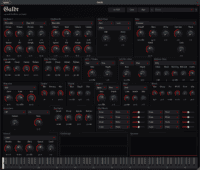
Useful Tool: Valhalla Supermassive
Valhalla Supermassive is a free delay and reverb plugin that can create lush echoes, huge spatial tails, atmospheric swells, and cinematic transition effects. It is especially useful for turning small musical moments into larger spaces.
Use it for: delay throws, reverb swells, breakdown atmospheres, long tails, reversed-style transitions, emotional space.
Transition tip: Send only the final word, chord, snare, or lead note into Supermassive before a section change. Automate the send amount, then cut the return before the drop or let it bloom into the breakdown. This sounds more musical than placing a random riser over everything.
Official website
Download Valhalla Supermassive
Use Drum Fills With Taste
Drum fills are classic transition tools because they come directly from the groove. A good fill can signal change without needing a huge effect.
The key is restraint. A fill does not need to become a drum solo audition. It only needs to move the section forward.
Try these drum transition ideas:
- Short snare fill before a drop.
- Tom fill before a chorus.
- Clap variation before a new section.
- Hi-hat roll before a hook.
- Kick stop followed by a crash.
- Rim shot answer before a breakdown.
- Shaker pattern opening into the groove.
In house and techno, even a subtle clap delay or removed kick can create movement. In afro house, percussion fills can answer the groove naturally. In trap, hi-hat rolls and snare stops are part of the language, but they still need timing and space. In lo-fi, a small drum drop or dusty fill can feel more emotional than a huge electronic sweep.
The Power of Filter Automation
Filter automation is one of the cleanest ways to build transitions. It creates motion without adding new tracks. A low-pass filter can make a section feel like it is opening. A high-pass filter can remove weight before a drop. A band-pass sweep can create tension. A filter on a reverb return can make space evolve.
Useful filter moves include:
- Low-pass chords during the intro, then open them before the hook.
- High-pass drums before the drop, then restore the full low end.
- Filter the bass out before a breakdown.
- Open a synth lead gradually over 8 or 16 bars.
- Darken the reverb return before a dry impact.
Filter automation works because it changes the energy of sounds the listener already knows. The transition feels organic rather than pasted on top.
Useful Tool: Kilohearts Essentials
Kilohearts Essentials is a free collection of focused effects, including filters, delay, reverb, distortion, chorus, flanger, phaser, tape stop, transient shaping, dynamics, and other practical tools. It is useful for transitions because the plugins are simple, fast, and easy to automate.
Use it for: tape stops, filter moves, delay throws, chorus motion, distortion build-ups, simple transition processing.
Transition tip: Try using the free Tape Stop effect at the end of a section, but do not use it every eight bars. It works best when it feels like a deliberate reset, not a nervous habit.
Official website
Download Kilohearts Installer
Delay Throws: Small Move, Big Impact
A delay throw is when a specific word, note, drum hit, or musical phrase is sent into delay for a moment, usually at the end of a line or before a new section. It is one of the most elegant transition tools because it adds movement without filling the whole arrangement.
Delay throws work especially well on:
- Vocal phrases.
- Lead synth notes.
- Snare hits.
- Claps.
- Guitar notes.
- Piano stabs.
- Vocal chops.
The secret is automation. Keep the delay send low or off during the section, then raise it only on the last word or note. The delay echoes into the gap, creating a natural bridge.
Use different delay timings for different moods:
- 1/4 delay: clear, musical, easy to follow.
- 1/8 delay: rhythmic, energetic, good for faster sections.
- Dotted delay: more movement, often useful in electronic music.
- Ping-pong delay: wider movement, useful for transitions and breakdowns.
A good delay throw can replace three unnecessary FX tracks. That is good production hygiene.
Pitch Movement Without the Cheap Build-Up Sound
Pitch rise is common in risers, but you can use pitch movement more creatively.
Instead of adding a generic rising sample, try pitching an existing sound:
- Pitch a vocal chop upward into the hook.
- Pitch a percussion hit down before a breakdown.
- Pitch a snare roll slightly upward over one bar.
- Pitch a reversed chord into the next section.
- Pitch a bass drop downward before silence.
This creates transition movement while keeping the sonic identity of the track intact. It feels less like stock FX and more like production design.
Use Stereo Motion Carefully
Movement across the stereo field can make transitions feel alive. A percussion hit moving left to right, a delayed vocal bouncing between sides, or a filtered texture widening before a drop can create anticipation without another riser.
But stereo motion must be controlled. Do not move the kick, sub bass, or main foundation wildly across the stereo field. Keep the center stable. Use motion on support elements.
Good candidates for stereo transition movement:
- Shakers.
- Hi-hats.
- Background textures.
- Vocal chops.
- Noise layers.
- Delay returns.
- FX tails.
- Small percussion fills.
Useful Tool: Cableguys PanCake 2
PanCake 2 by Cableguys is a free auto-panning plugin that lets you create rhythmic stereo movement with drawable modulation curves. It is useful for making transition elements move across the stereo field without needing complex routing.
Use it for: moving percussion, animated textures, stereo FX, rhythmic panning, transition motion.
Transition tip: Place PanCake 2 on a short texture or percussion fill before a new section. Let the movement build anticipation, then return the main section with a centered kick and bass. The contrast between motion and stability makes the drop feel stronger.
Official website
Download PanCake 2
Transitions Through Low-End Control
The low end is one of the strongest transition tools because listeners feel it physically. Removing or changing the low end before a section change can create instant tension.
Try these low-end transition moves:
- Remove the bass one bar before the drop.
- Filter the kick’s low end before a breakdown.
- Use a short sub drop into a chorus.
- Mute the 808 before a snare fill.
- Let the bass return slightly before the drums for anticipation.
- Stop the low end completely before the biggest hit.
Low-end transitions are powerful because they affect the body before the mind. A missing bass can create more suspense than a loud riser. A clean bass return can make the whole track feel larger.
Be careful with long sub drops and low booms. They can sound dramatic, but they can also muddy the mix or fight the kick. Use them only when they serve the arrangement.
Build Transitions With Harmonic Tension
Not every transition has to be rhythmic or effect-based. Harmony can create movement too.
A suspended chord before the chorus, a held note before a drop, a passing chord into the hook, or a stripped-down version of the progression in the breakdown can guide the listener naturally.
Harmonic transition ideas include:
- Hold the final chord longer before the new section.
- Remove the third from a chord to create ambiguity.
- Use a suspended chord before resolving into the chorus.
- Change chord voicing before the drop.
- Use a single bass note under changing chords.
- Let the lead note anticipate the next section’s key center.
This is especially effective in pop, lo-fi, cinematic music, synthwave, melodic house, afro house, and any style where harmony carries emotion. The transition becomes part of the composition, not just the production layer.
Clean the Transition With Dynamic EQ
Transitions often become messy because too much happens at once. Risers, crashes, reverbs, delays, vocals, drums, pads, and bass returns can all collide. This is where dynamic EQ can help.
Instead of turning everything down manually, a dynamic EQ can control problem frequencies only when they become too strong. This keeps the transition clear while preserving energy.
Useful Tool: TDR Nova
TDR Nova is a free dynamic EQ that can help clean transitions by controlling harshness, low-mid buildup, and frequency masking. It is especially useful on reverb returns, delay throws, risers, pads, and busy transition buses.
Use it for: taming harsh sweeps, controlling low-mid build-up, cleaning reverb returns, reducing transition clutter, making FX sit behind the main impact.
Transition tip: Place TDR Nova on your FX or reverb return. Use a gentle dynamic band in the low mids to stop the transition from becoming cloudy, or in the upper mids to keep noise sweeps from becoming harsh.
Official website
Download TDR Nova Free
The “Before the Transition” Rule
Many transitions fail because producers only focus on the final bar before the section change. But a good transition often begins earlier.
The listener needs preparation. That preparation can start 4, 8, or even 16 bars before the change.
Examples:
- Open a filter slowly over 16 bars.
- Remove percussion gradually over 8 bars.
- Introduce a small vocal phrase before the hook.
- Reduce bass energy before a breakdown.
- Add a repeated synth note that increases expectation.
- Change the drum pattern slightly before the fill.
This makes the transition feel earned. The section change becomes the result of movement, not a sudden event.
A Better Build-Up Without a Generic Riser
Here is a simple 8-bar build-up that does not rely on a cheap riser:
- Bars 1 to 2: introduce a filtered version of the hook.
- Bars 3 to 4: remove some low end and add a subtle delay throw.
- Bars 5 to 6: increase drum density with a small snare or hat variation.
- Bar 7: mute the bass and narrow the stereo field slightly.
- Bar 8: one-beat silence, short vocal or FX tail, then full drop.
This build-up works because several musical elements contribute. The transition is not dependent on one obvious sound. It uses arrangement, frequency, rhythm, space, and silence.
Genre-Based Transition Ideas
House and Tech House
Use kick removal, clap delays, filtered drums, vocal chops, short snare fills, noise only in moderation, and bass stops before drops. The groove should remain the center of the transition.
Afro House and Organic House
Use percussion call-and-response, filtered melodic textures, organic drum fills, vocal chants, reverb tails, and bass removal. Avoid overly synthetic risers if the track has a natural or spiritual feel.
Trap and Hip-Hop
Use 808 stops, snare fills, hat rolls, vocal cuts, tape stops, reverse melodies, and short pauses before the hook. Keep transitions hard but not overcrowded.
Lo-Fi
Use vinyl stops, tape slowdowns, filtered chords, room tone changes, drum dropouts, soft reverse textures, and small delay throws. Subtlety usually works better than spectacle.
Synthwave
Use gated reverb tails, tom fills, filter sweeps on arps, delayed leads, drum machine fills, and wide pad openings. Retro transitions should feel cinematic, not cartoonish.
Cinematic and Ambient Music
Use long reverbs, reversed textures, evolving drones, harmonic holds, silence, and dynamic swells. The danger is overloading the transition with too many atmospheric layers at once.
The Transition Checklist
Before adding a riser, ask:
- Can I create tension by removing an element?
- Can silence make the next section stronger?
- Can a drum fill do the job?
- Can I use a sound already in the track?
- Can a delay throw connect the sections?
- Can filter automation create movement?
- Can a harmonic hold create expectation?
- Can stereo motion add energy without clutter?
- Is the low end returning with impact?
- Does the transition support the song, or just decorate it?
If the riser still improves the transition after all that, use it. The goal is not to ban risers. The goal is to stop treating them like duct tape for arrangement problems.
The 15-Minute Transition Exercise
Open a project with a weak section change. Choose one transition and spend 15 minutes improving it without using a new riser sample.
Minute 1 to 3: Identify the Energy Change
What should happen after the transition? Bigger drop, softer breakdown, stronger hook, darker verse, wider chorus? Define the destination first.
Minute 4 to 6: Remove Something
Mute the bass, kick, chords, hats, or lead briefly before the change. Find the gap that creates tension.
Minute 7 to 9: Add One Musical Movement
Use a drum fill, delay throw, reversed vocal, filter automation, or chord hold. Choose one idea, not five.
Minute 10 to 12: Control Space
Add or automate reverb and delay only where needed. Clean the return if it becomes muddy or harsh.
Minute 13 to 15: Compare
Listen to the original transition and the new one. The improved version should feel more intentional, not just louder or busier.
Final Thoughts: Transitions Are Storytelling
A transition is a small piece of storytelling. It tells the listener that the track is moving somewhere. It builds expectation, creates contrast, and gives the next section meaning.
Cheap risers can help, but they should not carry the entire arrangement. Better transitions come from musical decisions: silence, subtraction, drum fills, delay throws, filter movement, harmonic tension, stereo motion, low-end control, and creative use of sounds already inside the track.
The next time a section change feels weak, do not immediately search for another riser. Look at the arrangement. Remove something. Move something. Delay one phrase. Reverse one sound. Open one filter. Cut the low end. Create a pause. Let the track breathe.
A strong transition does not just say, “Here comes the next part.”
It makes the next part feel inevitable.