
Roots: Dust Piano by Westwood Instruments: A Free Kontakt Piano Library with Grain, Warmth and Cinematic Texture
Roots: Dust Piano by Westwood Instruments is a free Kontakt library for producers and composers who want an upright piano with warmth, softness and visible character. Built from a Yamaha UC3 upright piano and shaped with a grainy nostalgic aesthetic, it offers a focused alternative to bright, polished piano libraries that can dominate a cue too quickly.
This free Kontakt piano library is part of Westwood Instruments’ Roots series, a collection of free virtual instruments designed around simplicity, limitation and quick musical decisions. Dust Piano is not a huge multi-gigabyte workstation with endless microphone menus. It is a compact creative instrument built to get emotional ideas moving fast.
What This Free Kontakt Library Is
Roots: Dust Piano is a free Kontakt Player instrument from Westwood Instruments. It is described by the developer as a Yamaha UC3 upright piano, draped in cotton, with a grainy nostalgic character and two textural layers.
The instrument belongs to the Roots series, where Westwood builds free instruments around a limited control set rather than a deep editing interface. The idea is practical: fewer options, faster decisions, and sounds that encourage writing instead of menu archaeology. Kontakt libraries can get very grand very quickly, and sometimes the music is still waiting outside with a sandwich.
Official website: Visit the Roots page on Westwood Instruments
Download: Download Roots: Dust Piano from Westwood Instruments
What Is Included
Westwood Instruments does not publish a detailed sample count, velocity-layer count, microphone list or full technical sampling breakdown for Dust Piano on the visible Roots page. The safest reading is to treat it as a focused Kontakt Player piano instrument built around a small, expressive interface rather than a detailed piano sampling encyclopedia.
- Free Kontakt Player piano library from Westwood Instruments
- Yamaha UC3 upright piano as the core source
- Cotton-draped piano character for a softer, more muted tone
- Grainy nostalgic aesthetic
- Two textural layers
- Simple Roots interface with 10 controls
- Native Access installation after free checkout and serial registration
- Kontakt Player compatibility, not limited to Kontakt Player demo mode
Sound and Creative Direction
Dust Piano is built around intimacy rather than brightness. The source piano is an upright, but the cotton treatment and textural layers push it toward lo-fi scoring, soft cinematic writing, ambient sketches and emotional beatmaking.
The sound direction is not about virtuoso concert piano realism. It is about mood. The instrument is likely to appeal to producers who need a piano that sits behind a vocal, supports a cue, adds melancholy to a beat or gives a short idea the feeling of memory.
It fits especially well in lo-fi hip-hop, ambient music, cinematic scoring, indie pop, soft electronic production, modern classical sketches and soundtrack writing where the piano should feel human but not overly glossy.
Key Sounds and Production Value
Upright Piano Character
The Yamaha UC3 source gives Dust Piano its acoustic foundation. Upright pianos often have a more personal and room-connected feel than large concert grands. They can sound closer, slightly imperfect and more suitable for intimate writing.
In Dust Piano, that character is shaped into something soft and atmospheric. It is the kind of piano that can carry a simple chord progression without needing heavy processing from the start.
Cotton-Draped Tone
The cotton treatment is central to the instrument’s identity. A muted piano tone can reduce brightness and attack, which makes the sound easier to place behind vocals, strings, pads, drones or soft drums.
This is useful when a normal piano feels too sharp in the mix. Instead of cutting high frequencies aggressively with EQ, producers can start with a source that is already more restrained.
Dust and Ash Layers
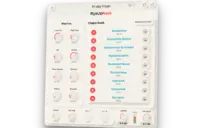
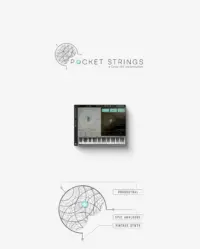
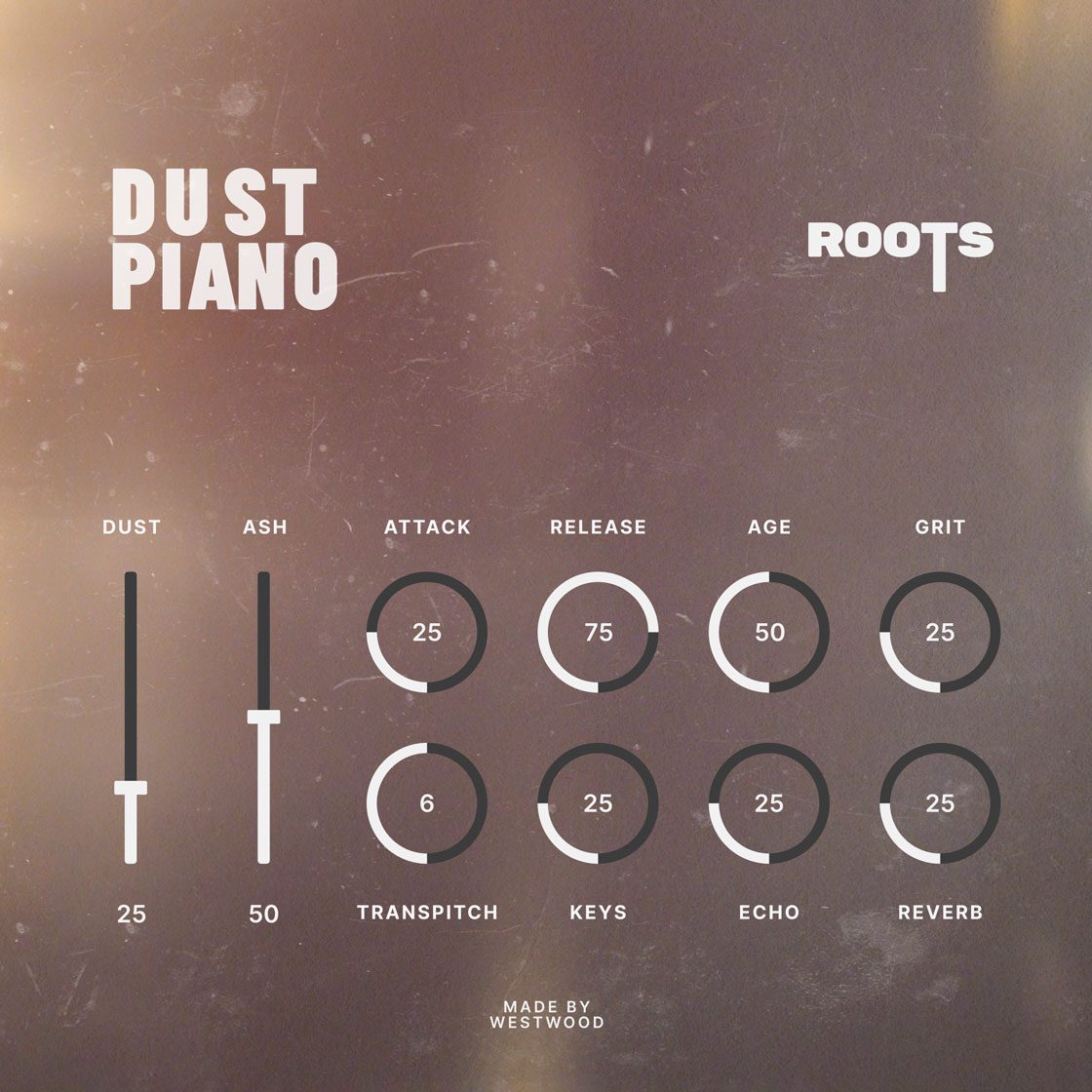
The interface image shows Dust and Ash as the two main layer controls. These are likely the core tonal layers that define the instrument’s texture and age.
For production, these controls are useful because they let the piano move between cleaner melodic writing and more atmospheric texture. A subtle layer can add character. A stronger layer can make the piano feel more worn, cinematic or spectral.
Simple Macro Controls
The Roots interface is built around direct controls rather than deep editing. The visible controls include Dust, Ash, Attack, Release, Age, Grit, Transpitch, Keys, Echo and Reverb.
This kind of layout is useful for fast composition. Attack and Release help shape how the piano speaks. Age and Grit can add worn color. Echo and Reverb help place the sound into space. Transpitch and Keys provide extra tonal and performance direction.
Textural Layers
Westwood describes Dust Piano as including two haunting and beautiful textural layers. Textural layers can turn a simple piano into a broader scoring instrument, especially when used quietly behind the main notes.
For cinematic and ambient work, this is often more useful than a fully detailed piano library. A textural layer can make one chord feel like a scene, and that is exactly the kind of shortcut composers secretly love, even if they pretend it was all planned.
Kontakt Compatibility and Technical Requirements
Roots: Dust Piano is a Kontakt Player library. Westwood’s current Roots requirements list Kontakt Player or Kontakt Full 8.9 or above. This means it should not be treated as a library that only runs in Kontakt Player demo mode.
The download and activation process uses Native Access. After completing the free checkout, the user receives a serial number by email, enters it into Native Access, then downloads and installs the instrument through the Native Instruments system.
- Kontakt compatibility: Kontakt Player or Kontakt Full 8.9 or above
- Full Kontakt required: no, Kontakt Player is supported
- Kontakt Player demo mode: no, this is a registered Kontakt Player library
- Download system: Native Access
- Native Access version: Native Access 2 required
- macOS requirement: macOS 14 or higher, Intel i5 or higher including M1 and M2
- Windows requirement: Windows 10 or 11 with latest service pack
- Standalone plugin included: no separate standalone instrument listed, it runs through Kontakt or Kontakt Player
Who Should Use This Kontakt Library?
Dust Piano is best suited to producers and composers who need soft piano atmosphere rather than a bright all-purpose piano. It is a strong option for writers who prefer character over surgical realism.
- Film composers writing intimate or reflective cues
- Lo-fi producers looking for a dusty piano tone
- Ambient musicians building soft harmonic beds
- Indie pop producers adding muted piano layers
- Neo-classical writers looking for simple emotional color
- Beatmakers who want a playable piano instead of a fixed loop
- Home studio users building a legal free Kontakt library collection
Creative Applications
For cinematic scoring, Dust Piano can work as a quiet emotional anchor. Play simple chords, keep the velocity restrained and use the textural layers to add depth behind the notes.
For lo-fi hip-hop, the instrument can become the main harmonic source. Add soft drums, vinyl texture, a warm bassline and small melodic fragments. The muted tone should help it sit naturally without needing too much EQ.
For ambient music, use longer release settings and reverb. Play sparse voicings, leave space between phrases and let the textures carry the atmosphere.
For pop and singer-songwriter production, keep the piano simple. A soft upright layer can support a vocal beautifully if it does not fight the midrange. Dust Piano’s muted tone makes it a good candidate for background harmony, intro sections and emotional bridges.
License and Usage Rights
Westwood Instruments’ EULA grants users the right to create musical works with its products, including commercial projects. The license also states that users may monetize, sell, license and exploit musical works created with the products without paying royalties to Westwood Instruments.
There are important restrictions. Users may not sell, rent, sublicense, distribute or share the products or their content. The raw samples and instrument content cannot be uploaded, shared as standalone audio, used to create competing sample libraries, or redistributed as part of another instrument or loop library.
The EULA also prohibits using Westwood Instruments products, content or musical works created from them for AI training without express written permission.
In practical production terms: use Dust Piano in your own music, including commercial releases, but do not redistribute the raw library, extract its content or build another sample product from it.
Download Details
Roots: Dust Piano is available through Westwood Instruments’ official Roots page. The process is based on a free checkout. After checkout, Westwood sends a serial key by email. That serial is entered into Native Access, where the instrument is registered and downloaded.
Westwood states that Roots downloads directly through Native Access, unlike its paid libraries that use Pulse. Native Access 2 is required, and the original version of Native Access is not compatible with the Roots download process.
Official page: https://www.westwoodinstruments.com/roots
Dust Piano download checkout: Add Roots: Dust Piano to the free checkout
EULA: Read the Westwood Instruments EULA
Audio Preview
The official Roots page presents the instrument inside Westwood’s free instrument series. A dedicated official embeddable YouTube video was not clearly confirmed for this article, so no video is embedded here.
Visit the official Roots page to check the current Dust Piano presentation
Production Tips
Start with the piano almost dry. Before adding extra reverb, delay or tape effects, listen to the original tone and decide how much space the track really needs.
Use the Dust and Ash controls as mood shapers. Keep them low for more direct piano parts, then raise them when the track needs extra atmosphere or a more worn character.
For lo-fi beats, resample a short chord progression from Dust Piano, then pitch it down slightly. Add soft drums and a simple bassline. Avoid overloading the arrangement, because the charm of this kind of piano is usually in the space around it.
For film cues, automate Reverb, Echo or Release across a section. A simple piano motif can feel much more cinematic when the room slowly opens during a transition.
For vocals, keep the piano away from the lead vocal’s main presence range. A muted piano can still become busy if the chords are dense, so simplify voicings before reaching for EQ.
Industry Context
Free Kontakt libraries have become a serious part of modern music production, especially when they are Kontakt Player compatible. The difference matters: a free library that requires the full version of Kontakt is still useful, but a registered Kontakt Player library removes a major barrier for new producers.
Dust Piano fits into a wider shift toward focused instruments with strong character. Producers do not always need a massive piano library with dozens of microphone perspectives. Sometimes they need one sound that starts a track immediately.
This is especially true in lo-fi, cinematic and ambient production, where tone and texture often matter more than technical spectacle. A piano that feels slightly aged, softened and personal can become more inspiring than a perfectly polished grand.
Final Verdict
Roots: Dust Piano by Westwood Instruments is a highly useful free Kontakt piano library for producers who want a muted upright piano with nostalgic texture and fast creative workflow. Its strengths are simplicity, Kontakt Player compatibility, Native Access installation and a clear musical identity.
It is not a full concert piano workstation, and it should not be judged like one. Dust Piano is a focused character instrument for lo-fi, ambient, cinematic scoring, indie production and emotional sketching.
For producers looking for a free Kontakt library, a free Kontakt piano library or a free Kontakt instrument with soft upright character and cinematic texture, Roots: Dust Piano is a strong download from Westwood Instruments.