
Spotify’s AI Remix Deal With Universal Music Group Could Redefine the Future of Fan-Made Music
The feature is expected to be offered as a paid add-on for Spotify Premium users, marking one of the most significant attempts yet by a major streaming platform to bring AI-generated music creation directly inside its own ecosystem. Instead of leaving fan-made AI remixes to unofficial websites, social media platforms or unlicensed AI music tools, Spotify is trying to build a controlled, licensed and monetized version of the same phenomenon.
A New Era of Fan-Made Remixes
For years, remix culture has existed at the heart of modern music. DJs, producers and fans have always reimagined songs, sometimes through official remixes, sometimes through bootlegs, mashups or viral edits. What changes now is the scale, the accessibility and the technology behind it.
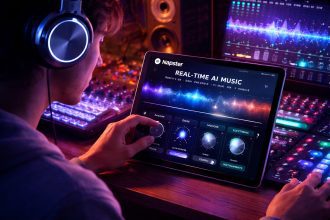
With generative AI, a fan may no longer need studio skills, production knowledge or remixing experience to create an alternative version of a famous track. A simple interface could eventually make it possible to transform a song into a different mood, style or arrangement within minutes.
This is exactly where the announcement becomes both fascinating and controversial. Spotify is not simply adding another listening feature. It is opening the door to a new form of interactive music consumption, where fans do not only stream a song, they reshape it.
Consent, Credit and Compensation
Spotify and Universal Music Group are presenting the project around three essential principles: consent, credit and compensation. In theory, only participating artists and songwriters will be involved. Their work will be licensed, their names will be credited, and they will receive revenue from AI-generated covers and remixes based on their music.
This point is crucial. One of the biggest criticisms of AI music platforms is that they can reproduce, imitate or transform creative work without proper permission. By working directly with a major label and music publisher, Spotify is trying to create a more legitimate model, one that gives rightsholders a seat at the table instead of pushing them to fight AI from the outside.
If handled correctly, this could become a new revenue stream for artists and songwriters. Instead of watching unauthorized AI versions circulate online, they could benefit from an official system where fan creativity is monetized and tracked.
The Risk of Turning Music Into Editable Content
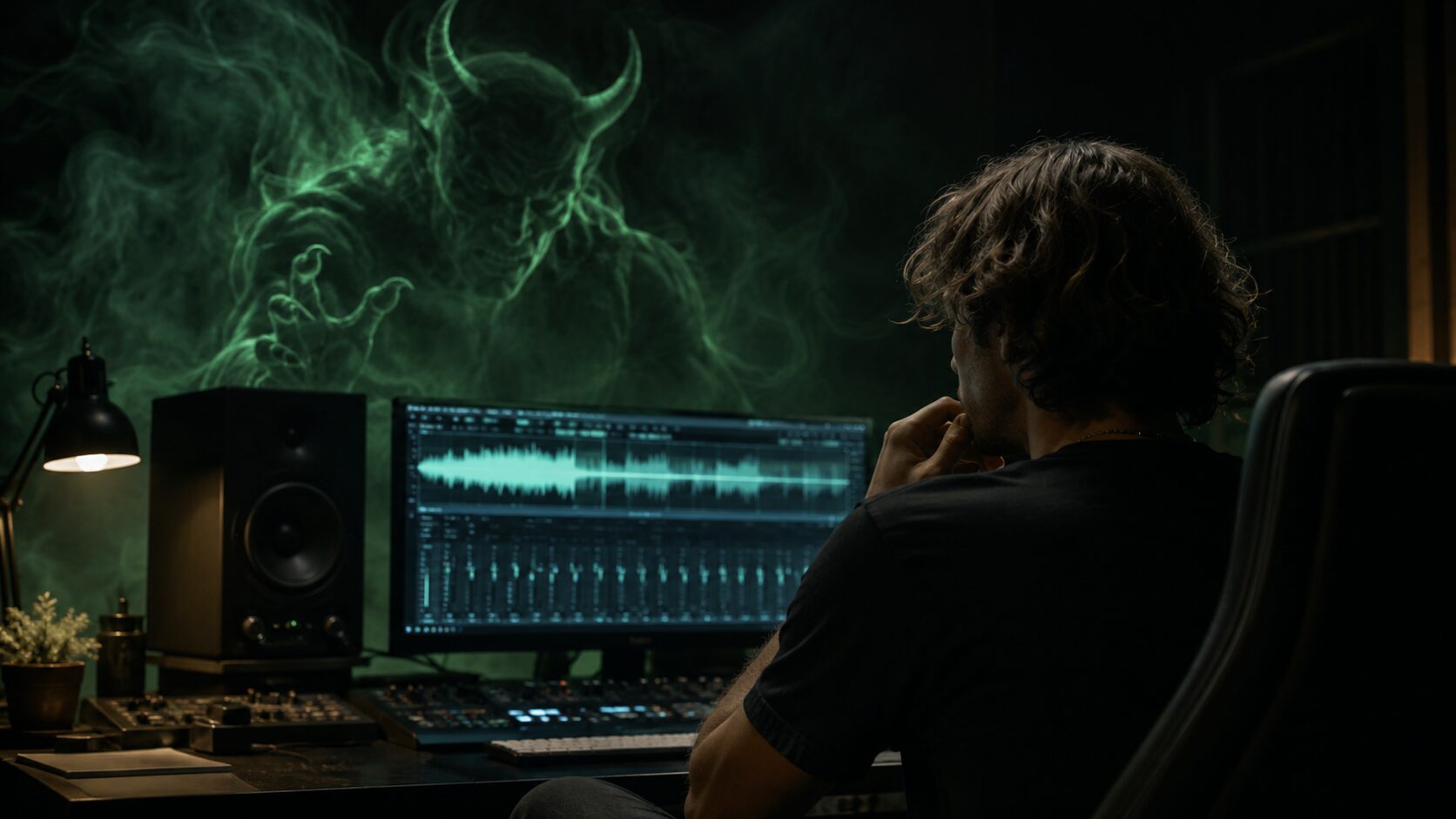
However, the bigger question is cultural. A song is not just a file. It is a performance, a mood, a context, a human intention. When every track can be transformed into a different version on demand, music risks becoming less like a finished artistic statement and more like editable content.
This is where the debate becomes more sensitive. A remix made by a producer can be an artistic interpretation. It can bring a new rhythm, a new emotional direction or a completely different identity to a song. But an AI-generated remix created through a preset or prompt could reduce that creative act to a button.
There is a clear difference between remix culture and automatic content generation. The first is rooted in taste, skill and musical vision. The second risks becoming a feature designed mainly to increase engagement, subscriptions and platform retention.
A Strategic Move Against AI Music Startups
This agreement also places Spotify in direct competition with AI music startups such as Suno and Udio. These platforms have already shown that there is strong public interest in creating music through prompts. Spotify’s advantage is that it already has the listeners, the catalog, the user data and the relationships with labels.
By bringing AI creation inside its own app, Spotify could position itself not only as a streaming service, but as a music creation environment. This would be a major strategic shift. The platform would no longer be limited to distributing finished songs. It could become a place where listeners generate, customize and consume derivative versions of existing music.
For Spotify, this creates a new business opportunity. For labels, it creates a licensed alternative to uncontrolled AI usage. For artists, it could create both new revenue and new anxiety.
What Does This Mean for Independent Artists?
For independent artists, the announcement raises another important concern: visibility. The streaming ecosystem is already overcrowded. Thousands of tracks are released every day, and many independent musicians struggle to reach real listeners.
If AI-generated versions of famous songs begin circulating inside Spotify, even under official license, they could occupy more space in playlists, recommendations and user attention. Major catalogues already dominate streaming culture. AI remixes could reinforce that dominance by multiplying the number of versions attached to already famous songs.
In other words, the tool may create new value for major labels and superstar artists, but it could also make discovery harder for smaller creators. If listeners spend more time generating alternative versions of artists they already know, the space for new music may become even narrower.
The Artist’s Control Will Be the Real Test
The success or failure of this model will depend on one essential issue: control. Artists must be able to decide whether their music can be used, how it can be transformed, where the result appears, and how revenue is shared.
Clear labeling will also be necessary. Listeners should immediately know whether they are hearing an original recording, an official remix, a fan-made AI version or an AI-assisted cover. Without transparency, confusion could damage trust between artists, platforms and audiences.
Spotify and Universal Music Group are presenting this as a responsible AI model. That responsibility will need to be visible in practice, not only in press releases. The music industry has already learned that innovation without clear rules often creates problems before it creates solutions.
A Turning Point for Streaming
This deal could become one of the most important moments in the relationship between streaming and artificial intelligence. Until now, Spotify has mainly been a place where users listen. With AI remix tools, it could become a place where users participate in reshaping the music itself.
That idea is powerful, but it also changes the role of the fan. The fan becomes a creator, the song becomes a flexible asset, and the platform becomes the space where that transformation is monetized.
The opportunity is real. So is the risk. If Spotify manages to build a system based on consent, fair payment and clear transparency, AI-generated remixes could become a new official layer of music culture. But if the feature becomes another machine for producing endless variations of popular songs, it may deepen the feeling that music is being turned into algorithmic content.
Conclusion
Spotify’s agreement with Universal Music Group is not just another tech announcement. It is a signal that AI is moving from the margins of music creation into the center of the streaming economy.
The promise is simple: fans will be able to create licensed AI covers and remixes, while artists and songwriters receive compensation. The challenge is much bigger: protecting the value of human creativity in a world where every song can be endlessly modified.
The future of music may not only be about what artists release. It may also be about what platforms allow listeners to do with those releases. And that is exactly why this Spotify deal deserves close attention from artists, labels, producers and independent musicians everywhere.