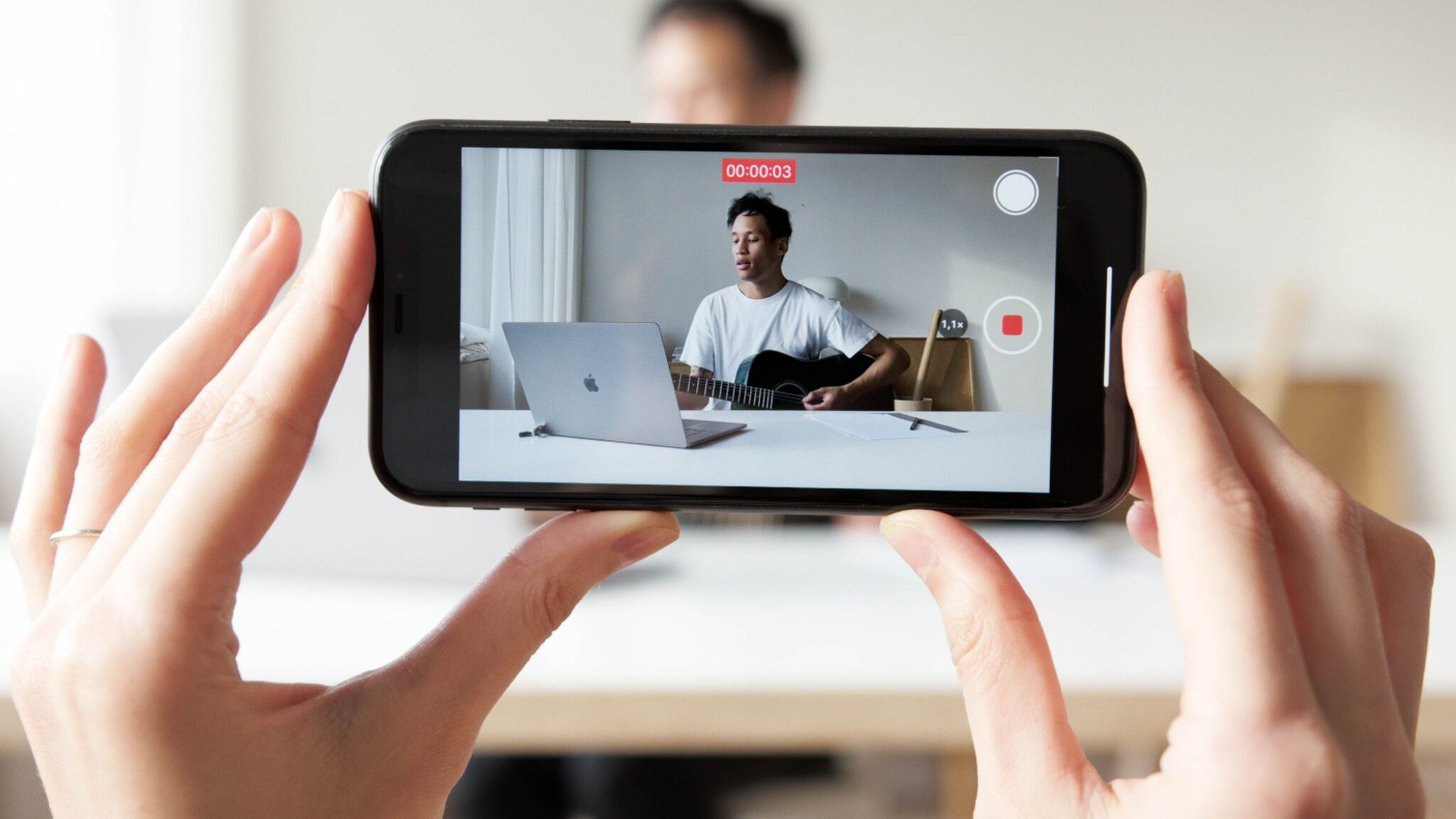

A strong music release campaign develops over time. Instead of repeating one advertisement, artists can present the same track through different stories, performances, production details and audience interactions.
The objective is to give listeners several reasons to discover the song while keeping each publication useful, original and connected to the artist’s identity.
Photo by Artem Podrez via Pexels
Start With One Clear Campaign Objective
Before creating content, decide what the campaign should achieve.
The goal may be to:
- Introduce the artist to new listeners
- Generate pre-saves before release day
- Increase streams after release
- Encourage creators to use the official sound
- Build profile visits and new followers
- Turn casual listeners into regular listeners
Every publication should support one of these objectives. A video can entertain, explain or create curiosity, but it should also help the listener take the next step.
Turn One Song Into Several Stories
A song contains more promotional material than its chorus. Its lyrics, instruments, production choices, visual identity and recording process can each become an independent piece of content.
Instead of asking, “How can I post this song again?”, ask:
- What inspired the track?
- Which lyric carries the strongest meaning?
- Which sound makes the production distinctive?
- What changed between the demo and final version?
- What almost went wrong during recording?
- How does the song sound live or acoustically?
The track remains the centre of the campaign, but the audience experiences it from a different angle each time.
Week One: Introduce the Song
The first week should create recognition and curiosity without revealing every part of the release immediately.
Day 1: Present the Main Idea
Explain the song in one clear sentence. Avoid a long biography or a speech beginning with “I am delighted to announce”. Tell people what the track is about and why it exists.
Day 3: Share the Strongest Excerpt
Use the section most likely to stop the scroll. It may be the chorus, but it could also be a lyric from the verse, a bass drop or an instrumental transition.
Day 5: Reveal the Visual Identity
Present the cover artwork, colour palette or first scene from the music video. Explain how the visual direction connects to the song.
Day 7: Ask a Precise Question
Invite the audience to react to a lyric, production detail or visual choice. Specific questions usually produce more useful comments than a generic “What do you think?”
Week Two: Show the Creative Process
The second week should demonstrate that a real creative process exists behind the finished release.
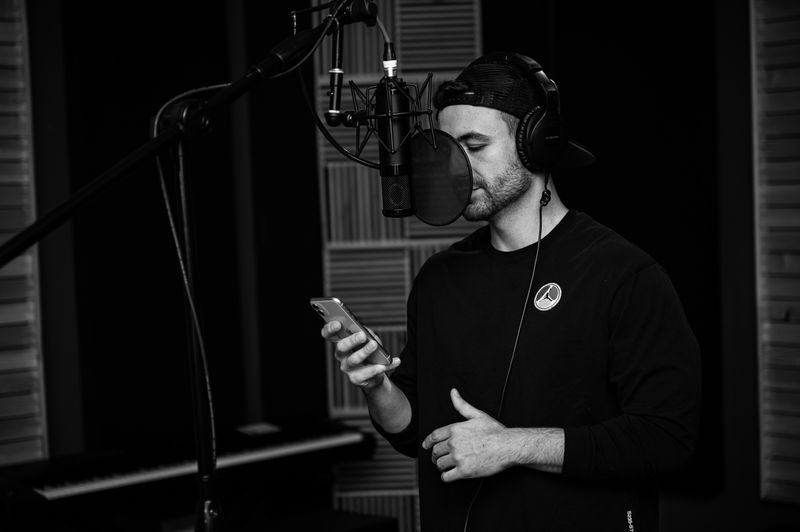
Photo by Brett Sayles via Pexels
Day 9: Share the Original Demo
Compare a voice memo, piano sketch or early beat with the finished master. The contrast gives listeners a reason to hear the same section again.
Day 11: Isolate One Instrument
Show the bass line, guitar, vocal harmony, synthesizer or drum pattern separately before placing it back inside the full mix.
Day 13: Explain One Production Decision
Describe why an instrument was removed, why the chorus changes key or why a vocal effect was used. Keep the explanation short enough to remain accessible to listeners who are not producers.
Day 14: Publish Studio Footage
A genuine recording moment can provide more personality than another polished advertisement. Good sound and clear framing matter more than expensive equipment.
Week Three: Build Participation
Once listeners recognise the song, the campaign can become more interactive.
Day 16: Compare Two Versions
Present two openings, arrangements or visual edits and ask the audience which one creates the strongest impact.
Day 18: Encourage Sound Usage
Choose a section with a clear rhythm, transition or memorable lyric that other creators can use naturally in their own videos.
Day 20: Respond to a Comment
Turn a genuine listener question into a new video. This creates fresh content while showing that the artist pays attention to the audience.
Day 21: Share an Alternative Performance
Record an acoustic, piano, live, instrumental or stripped-back version. The song stays familiar, but the listening experience changes.
Week Four: Convert Attention Into Listening
The final stage should make it easy for interested viewers to hear, save and revisit the complete track.
Day 23: Publish the Best-Performing Concept Again
Do not simply repost the same file. Develop the concept that generated the strongest retention, shares or profile visits.
If a lyric video performed well, explain the full story behind that lyric. If studio footage worked, publish a longer production breakdown.
Day 25: Share External Support
Highlight meaningful playlist placements, radio support, press coverage or audience reactions. Keep the focus on the music rather than presenting a wall of screenshots.
Day 27: Introduce the Wider Catalogue
Connect the promoted single to an older release, EP or playlist. A campaign becomes more valuable when new listeners continue exploring after hearing the first song.
Day 30: Close the Campaign With a Strong Performance
End with the song itself. A direct performance, complete visual sequence or carefully edited recap can remind the audience why the campaign began.
Use Different Content Formats
Repeating the same song is less noticeable when the format and purpose change.
A balanced 30-day campaign can include:
- Direct-to-camera storytelling
- Live performance clips
- Studio footage
- Lyric videos
- Production breakdowns
- Photo carousels
- Audience responses
- Alternative arrangements
- Short-form video excerpts
- Long-form YouTube content
One filming session can produce several assets, but each version should be edited for the platform where it will appear.
Do Not Publish Every Day Without a Reason
A 30-day music campaign does not require 30 feed posts. Publishing three or four strong pieces of content each week is often more effective than uploading something forgettable every day.
Stories can support the main posts with informal reminders, polls, backstage moments and direct links. The main feed should contain the strongest material.
Quality protects the song from audience fatigue. Silence between two good posts is not a promotional disaster.
Measure What Each Format Produces
Views alone should not decide which content deserves to continue.
Compare:
- Audience retention
- Shares
- Saves
- Official sound uses
- Profile visits
- Streaming clicks
- Playlist additions
- Repeat listeners
TikTok for Artists provides daily-updated data about song and post performance, allowing artists to identify which content formats generate the strongest audience response.
A video with moderate reach but a high number of streaming clicks may be more useful than a viral clip that produces no measurable listening activity.
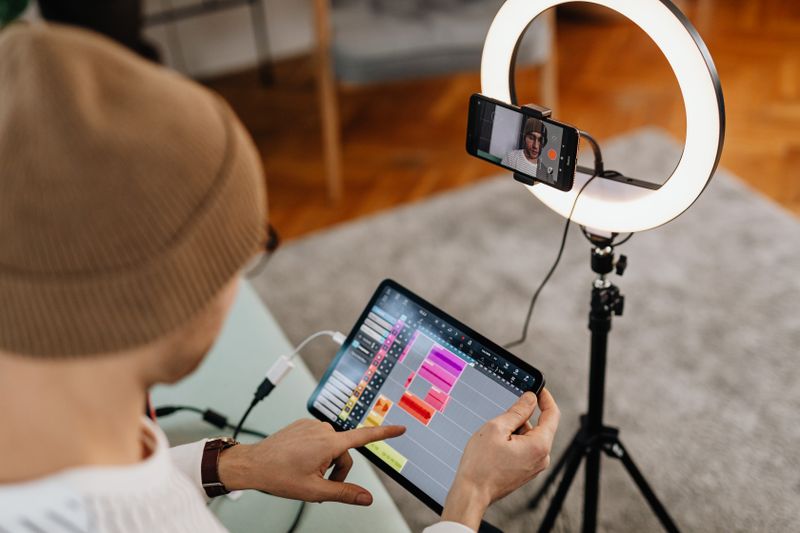
Photo by Kaboompics.com via Pexels
A Simple 30-Day Content Schedule
| Week | Main Objective | Content Ideas |
|---|---|---|
| Week 1 | Discovery | Song story, strongest excerpt, artwork reveal |
| Week 2 | Creative value | Demo, studio footage, production breakdown |
| Week 3 | Participation | Audience questions, sound usage, alternative version |
| Week 4 | Conversion | Streaming link, playlist support, catalogue discovery |
Final Thoughts
Learning how to promote one song for 30 days is not about finding 30 different ways to say “stream now”. It is about revealing the release gradually through its story, sound, production and audience response.
The most effective campaigns create movement:
Discovery → curiosity → interaction → streaming → repeat listening
One song can support an entire month of promotion when every publication provides a new reason to care. The artist is not repeating the track. The artist is expanding its world.